Russia Ukraine War Shifts: 5 Big Defense Alerts
- Russia Ukraine War Shifts: 5 Major Diplomatic And Defense
- Localized Ceasefire Success and Safe Passage Corridors
- Capitol Hill Probes and Sanctioned Maritime Oil Shipments
- European Aid Delays and Growing Defense Friction
- Controversial Diplomatic Phone Calls Divide European Leaders
- Diplomatic Fallout and Heavy Infrastructure Damage
Russia Ukraine War Shifts: 5 Major Diplomatic And Defense

Staying abreast of developments across Eastern Europe right now feels like an impossible task. The ground reality is shifting every single day, with sudden phone calls between world leaders, quiet backroom oil deals, and brutal missile strikes hitting power grids.
Instead of getting lost in political noise, here is a detailed breakdown of the biggest defense and diplomatic updates reported by major international news outlets over the past few days.
Localized Ceasefire Success and Safe Passage Corridors
Talks produced a surprise breakthrough on the southern operational front. According to ANI, local military commanders achieved a temporary, targeted ceasefire around the Oleshky region two days ahead of schedule.
The primary goal of the halt was clear. Designed to enable civilian families and aid convoys to move safely through contested areas, the measure. As frontline monitors noted, with large-scale peace talks completely stalled, these localized pauses are critical to preventing further loss of life during heavy military operations.
Capitol Hill Probes and Sanctioned Maritime Oil Shipments
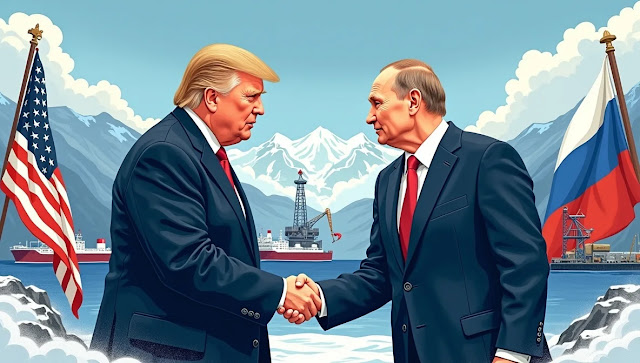
Economic pressure points and raw energy trade are driving intense political tension across the Atlantic. Aramco continues transporting large quantities of crude across the Indian Ocean to supply eastern refineries, keeping deliveries moving even if Hormuz becomes completely impassable.
The probe centers around claims that commercial energy companies have been exploring arrangements involving Russian refined petroleum. At the exact same time, coverage by Newsmax noted that several commercial tankers carrying diesel fuel moved toward international shipping lanes under temporary regulatory exemptions, sparking sharp criticism from Western security analysts.
European Aid Delays and Growing Defense Friction

Across European capitals, the cost of sustained defense backing is clearly straining political unity. As highlighted in coverage by United24 Media, Italian defense leadership opted to delay the rollout of its 13th military support package, choosing to pause decisions until key political schedules overseas settle down.
Meanwhile, Ukrainian military officials are warning that their stocks are running critically thin. Publicly, defence representatives urged Britain, France, Germany, Poland, and Italy to hand over at least 10% of their current air-defence interceptor stockpiles. Kyiv officials warned that the defence of regional cities against nightly air raids is becoming harder without a steady supply of Patriot and IRIS-T interceptors.
Controversial Diplomatic Phone Calls Divide European Leaders
Rapprochement with Moscow has opened deep cracks within Western alliances. The leaders of Finland and Norway broke ranks to hold direct phone calls with Russian President Vladimir Putin, according to reports published by The New York Times and the South China Morning Post.
The outreach was meant to test whether genuine peace negotiations are still possible, but it triggered immediate pushback from other European allies who argued that bilateral calls undermine shared pressure tactics. Further reporting in The Economic Times quoted German political leadership warning that any peace framework arranged behind closed doors without direct Ukrainian and European consent will be firmly rejected.
Diplomatic Fallout and Heavy Infrastructure Damage
Geopolitical tensions have also caused sudden friction among international partners further afield. Coverage by Ukrainska Pravda confirmed that South Korea withdrew eight of its senior diplomats from Ukraine following sharp disagreements over the handling and disclosure of captured foreign combatants.
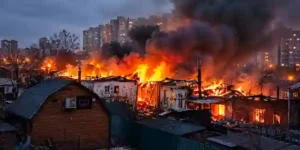
The human toll of the conflict remains high, with residential areas still coming under attack. According to Scripps News, missile strikes hit areas near Kyiv and Kharkiv overnight, leaving at least three civilians dead.
Meanwhile, UN experts sounded the alarm over the legal implications of attacks on critical energy infrastructure. Insider Paper reports that deliberately targeting civilian power supplies during winter could constitute grave violations of international law, particularly if such strikes are carried out systematically.
Frequently Asked Questions (FAQs)
Russia–Ukraine ceasefire: has one been agreed recently?
Yes, but only on a localised scale. ANI confirmed that a targeted humanitarian ceasefire was implemented around the Oleshky region to help move civilians out of harm’s way.
Why did the Nordic leaders’ calls to Moscow draw criticism from European leaders?
Direct phone discussions between Nordic leaders and Moscow have prompted concern across Europe, The New York Times reported. Several officials argued that conducting talks without proper coordination risked diluting the West’s unified approach to negotiations.
What are the latest reports on civilian energy strikes?
Insider Paper reports that UN investigators raised serious concerns over continued attacks on power infrastructure during winter, warning that such strikes put civilians at risk and could breach international law.