Strait of Hormuz Clashes: Oil Choke Risk
Strait of Hormuz Clashes: Things got really tense around the Persian Gulf this week as stealth water strikes, limpet mine explosions, and sharp oil price spikes hit global sea lanes. Between rising commercial tanker damage, fierce political fights in DC, and warnings of bitter winter fuel crunches for families across Europe, the standoff is spilling over everywhere.
Mainstream international newsrooms have laid bare the facts over the past twenty-four hours. Here is the full breakdown of how military tactics, diplomatic friction, and trade disruptions are playing out across the theater.
Magnetic Limpet Mines and Chokepoint Disruptions
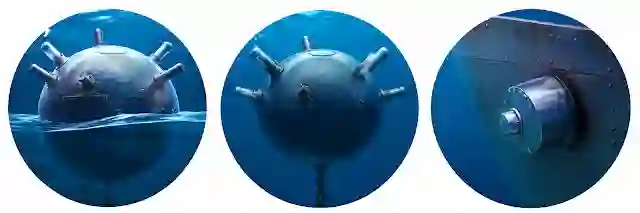
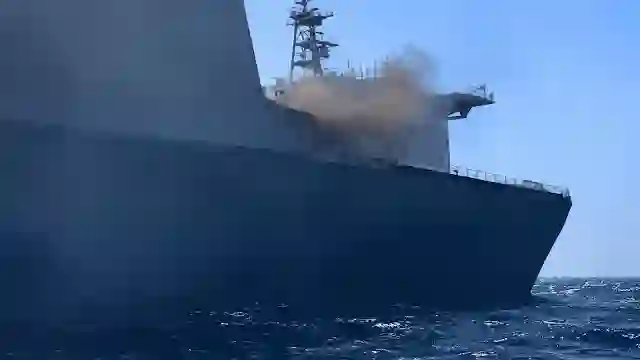
Naval tactics in the Persian Gulf took a sharp turn toward stealth sabotage. Reporting by The War Zone pointed out that Iranian teams stuck magnetic limpet mines straight onto a commercial tanker’s steel hull during recent operations in the Strait of Hormuz. Instead of firing obvious missiles from afar, fast motorboats pull right up to merchant vessels, latch magnetic explosives to the hull underwater, and set them off with a remote switch after speeding away.
The sheer volume of hidden marine mines has spooked commercial shipping lines. Analysts estimate Iran holds over 5,000 naval mines, ranging from floating explosives to seabed moorings and magnetic limpet units. CBS News reported that the UK Maritime Trade Operations logged a record spike with over 30 attacks around Hormuz in October alone, taking the incident tally past 145 over eight months of continuous friction.
Neighboring neutral navies have been forced to step in. Dispatches from Al Arabiya English revealed that the Royal Navy of Oman evacuated 25 international crew members from a stricken cargo vessel operating off the Musandam peninsula, proving that the threat perimeter now extends across the entire transit neck.
(Related Coverage: Check our recent analysis on Yemen Conflict Shifts: 5 Fatal Moves impacting Red Sea maritime choke points.)
Oil Spikes and Market Hedging by Major Producers

Strait of Hormuz Clashes: Commercial disruption in the Gulf triggered immediate shockwaves across commodities desks. Commodities trackers showed Brent crude jumping past $119.04 a barrel, gaining more than two percent in a single day and climbing nearly twenty percent across the month. Maritime insurance rates shot up right alongside spot prices, leaving lines of oil tankers dropping anchor outside the channel rather than risking transit.
The risk of a total choke-off pushed even regional gas heavyweights into unusual backup plans. Reuters reported that QatarEnergy stepped out to buy LNG supplies directly from American and global sellers. Even though Qatar is usually the world’s leading gas exporter, the state firm took this step to protect its delivery commitments if Hormuz stays blocked.
Information disputes have surfaced alongside the price spikes. Iranian broadcaster IRIB cited claims from a shipping risk analyst alleging Western defense leaders leaned on trade desks to sit on specific incident reports to keep markets from panicking outright.
Nuclear Debate in Tehran and Rising Western Warnings
Political circles in Tehran are talking much more openly about raw nuclear deterrence. Al Jazeera reported that Iranian lawmaker Mahmoud Nabavian spoke before a crowd in Qom, openly asking Supreme Leader Ayatollah Khamenei to scrap past religious limits and give the green light for building atomic warheads. That push shows how fast domestic political pressure is mounting to ditch nuclear restraint as sanctions and military pressure mount.
Diplomatic channels remain largely frozen. Sources cited by Al Arabiya English confirmed that Washington told regional mediators any future talks or sanctions relief require Iran to shut down its entire nuclear setup completely, a stance Tehran treats as a total non-starter.
Meanwhile, regional players are floating alternative security structures. Pakistani military spokesperson Major General Ahmed Sharif Chaudhry stated in an interview with Reuters that Iran could potentially be included in the tripartite Mecca Defense Pact alongside Saudi Arabia, Pakistan, and Turkey if political leadership approves, signaling a parallel diplomatic track aimed at lowering Gulf hostilities.
Economic Strain and Fuel Fallout in Europe
European economies are bearing a heavy financial burden as Gulf supplies tighten. Reporting by European business wires confirmed statements by German Chancellor Friedrich Merz, who revealed that the economic consequences of the Iran standoff have already cost the European Union more than €100 billion over the past eight months due to spiking industrial energy costs and trade rerouting.
Civilian heating concerns are rising ahead of winter. European Union energy commissioners warned that millions of households across the continent will face severe heating affordability challenges as fuel shortages drive up residential utility bills.
Tehran delivered a blunt response to the economic fallout. In a public statement on social media, Mohsen Rezaee, Secretary of Iran’s Supreme National Security Council, warned that European governments are now paying a steep price in energy bills and economic decay after backing aggressive Western campaigns in the Middle East.
Political Friction in Washington and Troop Casualty Tolls
Prolonged military deployments across the Persian Gulf are stirring bipartisan discontent on Capitol Hill. According to coverage from Bloomberg and Al Jazeera, US Defense Secretary Pete Hegseth is confronting intense pressure from lawmakers across both parties demanding accountability over military operations, with some representatives calling for his resignation.
At the same time, defense officials are managing constrained stockpiles. Dispatches from Politico and Al Jazeera revealed that the Pentagon is navigating a $400 billion reduction to proposed military funding requests. Current defense estimates show the Gulf confrontation has already cost the US military at least $47 billion, including $29 billion expended purely on replacement munitions and interceptors.
Personnel pressures have steadily surfaced in government accounting:
- Casualty Numbers: Pentagon records confirm 23 American service members have died in connection with the wider Iran mission, with 11 lost to hostile combat and 12 to non-combat mishaps or sickness.
- Sailor Morale: The New York Times covered the harsh military penalties given to an American sailor who jumped straight off the USS Abraham Lincoln carrier deck, putting extended deployment stress under a harsh spotlight.
- Field Drills: Newsweek and NDTV World noted US units ran training exercises for quick frontline mass graves, preparing logistics teams for worst-case combat numbers.
With Tel Aviv pushing back hard against any early de-escalation that leaves their defense aims unfulfilled, keeping Gulf energy corridors open looks like an increasingly tough call.
Frequently Asked Questions
Why are limpet mines especially dangerous for commercial tankers in Hormuz?
Limpet mines are magnetic explosive charges attached covertly by speedboats to a vessel’s hull below the waterline, tearing open steel plates while leaving minimal radar warning.
How high did Brent crude oil jump after the Hormuz tanker strikes?
Brent crude spiked past $119.04 per barrel, jumping over two percent on the day and rising nearly twenty percent across the last month.
Why did QatarEnergy purchase LNG from foreign suppliers?
Despite its status as a leading exporter, QatarEnergy bought foreign LNG cargoes to hedge against potential export route blockages if the Strait of Hormuz is closed.