Gulf Alert: Inside the Saudi Yemen War, Aramco Strikes, and Regional Air Scrambles
The Saudi Yemen War Aramco attack has shattered any lingering belief that Gulf commercial centres and energy hubs are immune to direct fire. For months, business districts and corporate boardrooms operated as if regional violence was something safely confined to desert borders. Over the past twenty-four hours, that sense of security has completely unravelled.
With corporate offices burning, air defence interceptors lighting up city night skies, and major embassies ordering their citizens to stay inside, the cross-border confrontation has entered its most unpredictable chapter yet.
Indian Embassy Advisory and Expat Security Orders
The diplomatic impact hit home sharply across South Asian communities following emergency alerts issued from Riyadh. The Indian Embassy in Riyadh put out urgent safety notices aimed at the large Indian expat community working across Saudi cities.
Officials told Indian workers to stop filming strike spots, avoid uploading wreckage videos online, and stay strictly behind closed doors when sirens go off. This alert followed tragic news that one Indian national died and several others suffered blast wounds during projectile hits inside the country.
These security alerts landed right in the middle of travel chaos. Direct flights between Indian airports and Saudi cities remain stuck on the tarmac, leaving holidaymakers and Umrah pilgrims stranded by last-minute gate closures.
Aramco Headquarters Struck and Energy Corridor Shocks
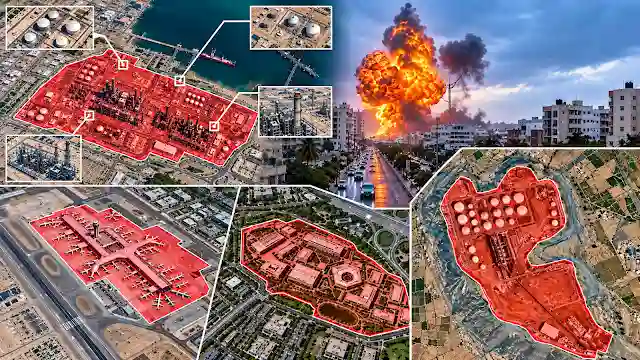
The financial core of the conflict was struck directly in Dhahran. According to an exclusive investigative report by Reuters, the corporate headquarters of state-owned oil giant Saudi Aramco suffered extensive structural damage following a direct Houthi missile attack. Satellite imagery published by Reuters showed precision impact points across corporate facilities, with local sources confirming that fires broke out across several administrative floors. Following the strike, Aramco leadership ordered non-essential corporate employees to immediately transition to remote working arrangements from home. The vulnerability of such central assets has rattled regional energy shares and sent renewed tremors through global oil trade routes.
At the same time, Houthi military leaders publicly declared that all commercial airports and fuel infrastructure across Saudi Arabia remain active targets. Additional strikes were launched towards King Khalid International Airport in Riyadh, prompting multi-layered Patriot interceptor launches across the capital.
Typhoon Jet Targeted Over Saada and Counter-Operations
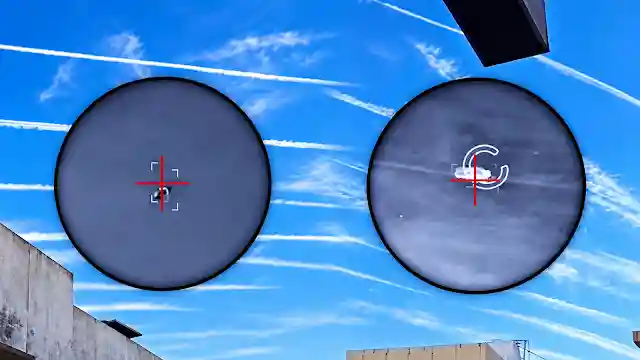
Military friction escalated in the skies above northern Yemen as well. A statement released by Houthi military spokesman Brigadier General Yahya Saree confirmed that their air defence units targeted a Royal Saudi Air Force Eurofighter Typhoon jet operating over Saada Governorate.
According to Saree, the multi-role fighter had scrambled from Taif Air Base before being struck by an air-to-air missile adapted for ground-launched anti-aircraft combat. While Saudi defence officials have not verified a total wreckage recovery, military monitors confirmed that the strike represents a concerning upgrade in rebel interceptor capabilities.
In response, coalition countermeasures have intensified rapidly. Reporting by Al Jazeera highlighted statements from the Yemeni military command confirming that government forces launched over 2,300 targeted operations against Houthi command points, destroying 460 combat vehicles and technical trucks during coordinated air and artillery sweeps. Seeking broader technical support, Yemen’s foreign ministry formally petitioned Washington for expanded military intelligence sharing and specialised army training programmes.
Chinese Tech Probes and Regional Diplomatic Pledges
The international footprint of the weapons being deployed has triggered high-level scrutiny. Reports published by the Associated Press (AP) revealed that Houthi technical divisions have increasingly sourced specialised Chinese components and micro-electronics to assemble medium-range ballistic missile systems.
The revelation prompted immediate regional pushback. Broadcaster Al Arabiya English reported that Yemeni officials received formal assurances that Beijing authorities will investigate the illicit flow of commercial drone and missile hardware into Houthi-controlled ports.
Neighbouring states stepped in to show regional support. Iraqi Prime Minister Mohammed Shia al-Sudani flew into Riyadh to meet Crown Prince MBS, condemning the missile strikes and promising that Iraqi soil would never be used to stage attacks against the Kingdom. Over in Canberra, Australian officials also spoke out against hits on Saudi facilities, calling for an immediate calm.
Treating crude depots and passenger flights as fair game in a border war is bound to trigger deep global fallout. Until illicit arms pipelines and smuggled electronics get cut off properly, transport routes around the Gulf will stay on high alert.
Common Queries
How badly was Saudi Aramco’s main site hit? Reuters reported that incoming Houthi missiles caused heavy structural damage at Aramco’s corporate offices in Dhahran, starting local fires and sending staff home to work remotely.
What instructions did the Indian Embassy give to its citizens? Indian diplomats told nationals to keep off social media with attack videos, remain indoors during sirens, and keep an eye on flight schedules after an Indian worker was killed.
Did Houthi air defence hit a Saudi fighter plane? Houthi spokesman Yahya Saree claimed their units fired a modified anti-aircraft missile at a Saudi Eurofighter Typhoon flying over Saada after taking off from Taif.