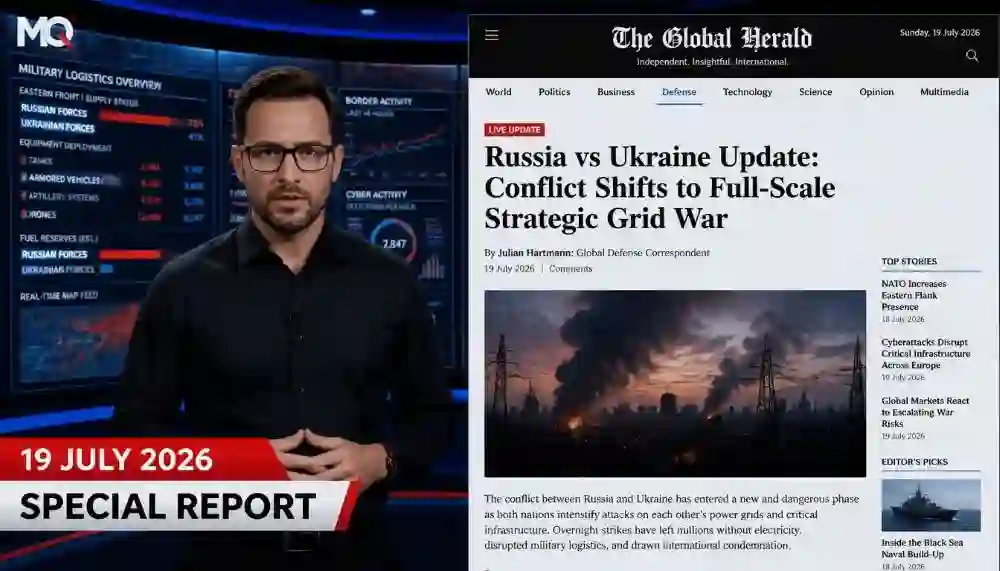
Crisis Update: Shift to Full-Scale Structural Engagements Redefines Regional Stabilities
Honestly, anyone tracking the ongoing cross-border dynamic can see that local engagements have fully transformed. The conflict has moved entirely away from remote border skirmishes to systematically target high-value energy grids, political commands, and global supply loops. With verified tracking groups reporting unprecedented command restructures alongside massive digital security leaks, tactical observers confirm that the entire operations layout is entering an unpredictable phase. As the conflict expands into additional sovereign territory, reports indicate that military planners are reassessing their strategic posture and response options.
Political Overhauls and Heavy Defensive Procurement Inside Kyiv
The political command inside Ukraine has undergone a rapid institutional transformation following an unexpected legislative assembly vote. The Ukrainian parliament has officially confirmed former energy top manager Serhii Koretskyi as the nation’s new Prime Minister. Following a major government reshuffle led by President Volodymyr Zelenskyy, the leadership transition was carried out quickly. Right after taking charge, Prime Minister Koretskyi explicitly declared that his absolute strategic priority centers on rapidly expanding the domestic defense industrial base and securing advanced front-line military systems.
Kyiv has finalized a definitive roadmap with French President Emmanuel Macron to acquire 16 Dassault Rafale fighter jets alongside their integrated weapon systems. Initial pilot training is scheduled to begin within months, paving the way for advanced deployment parameters. But the real drama unfolded inside the leadership ranks when Zelenskyy completely removed the defense minister from his post. This unexpected move triggered massive friction on the ground as the local civilian population and forward front-line units immediately grew furious over the sudden institutional changes, creating an overnight internal political crisis.
Moscow Heavy Drone Strikes and Odessa Infrastructure Fires
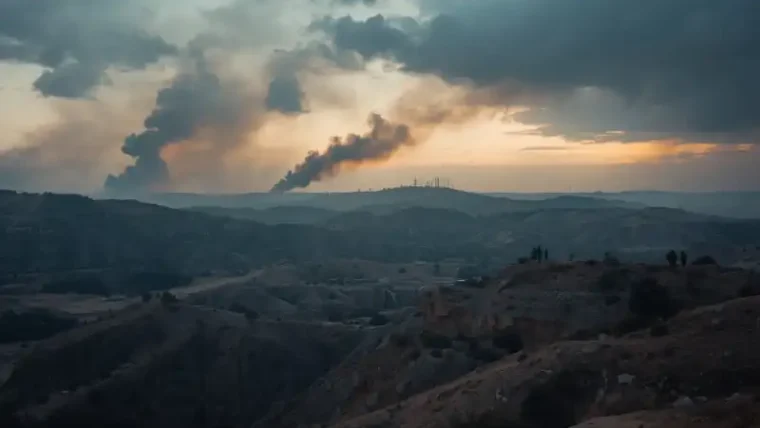
Look, the physical destruction has reached a completely unprecedented level as Ukraine successfully executed a massive long-range drone operation directly targeting the Russian capital. Multiple high-altitude suicide drones breached the outer air defense networks of Moscow, striking a central high-capacity fuel depot and turning the entire industrial sector into a raging inferno. Preliminary assessments from emergency management officials indicate that at least seven Russian citizens were killed during the strike. Visual reports from the scene depict thick black smoke engulfing the skyline, creating a dark cloud that dominated the landscape from both ground level and aerial perspectives.
In sharp retaliation, the Russian military group launched a brutal wave of heavy tactical strikes across Ukraine’s strategic port region of Odesa. The kinetic strikes caused massive structural destruction to maritime storage facilities, sparking fires that lit up the entire coast. However, the operational execution of Russian forces has drawn widespread international mockery as foreign defense analysts question the actual training standards of their deployment units. Verified battlefield documentation shows a chaotic scene where an unseasoned Russian soldier attempts to engage forward positions with a heavy machine gun, but the moment he presses the trigger, the massive recoil forces completely throw him off balance, sending him flying backward onto the ground.
Advanced Western Procurement and Global Economic Sanctions Friction
The military coordination has transitioned into an explicit multinational framework as Western allies scale up their production licenses. The United States Department of Defense has officially granted Ukraine the strategic rights to manufacture advanced Patriot air defense interceptor missiles domestically, aiming to build long-term operational endurance against incoming ballistic attacks. At the same time, front-line media reports published by The Australian have officially documented that Australian Army specialists are actively running advanced training networks, explicitly teaching Ukrainian combat groups how to efficiently eliminate Russian forces on the open battlefield. The European Union has further reinforced this initiative by formally approving an additional 1 billion euros to stabilize front-line military logistics loops.
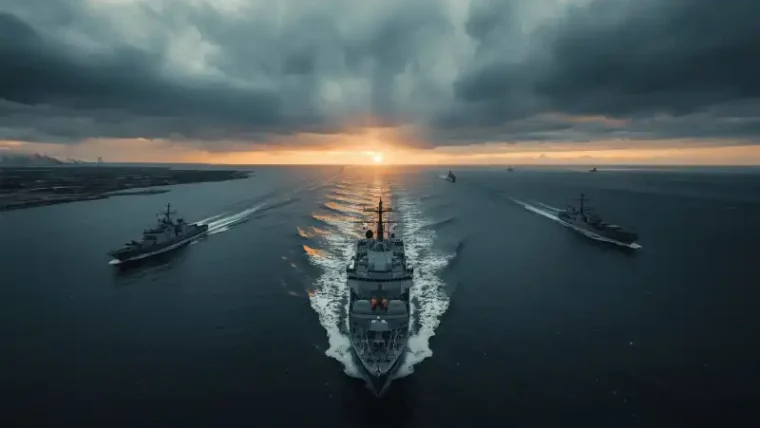
This massive military backing has allowed Ukraine to execute an extremely aggressive interdiction campaign across the Azov Sea transit lanes. According to available reports, Ukrainian maritime attack groups conducted a series of operations over nine days that reportedly disabled 116 Russian oil tankers, leading to claims of significant crude oil spills. causing extensive environmental damage and added pressure to Russia’s commercial shipping network. To make matters worse for global trade, the political landscape in Washington has turned highly volatile following the death of hardline Senator Lindsey Graham, a close ally of Donald Trump. Graham had previously introduced a legislative draft proposing a massive 500 percent tariff on any nation continuing business deals or oil imports with Moscow. Following his passing, Trump has reportedly grown even more emotional and aggressive regarding the trade policy, preparing a revised framework that could slam trading partners, including India, with a harsh 100 percent or higher import tariff, triggering severe economic anxiety across Asian financial hubs.
Domestic Energy Crises and Smart Network Vulnerabilities Across Russian Hubs
The physical degradation of major distribution networks has triggered immediate domestic restrictions across extensive economic regions. Following sustained drone strikes against primary refinery facilities, including high-capacity installations in Omsk, more than 90 percent of regional areas have documented sudden fuel shortages. The resulting distribution freeze has forced authorities in Novosibirsk, Tomsk, and Irkutsk to issue high-alert decrees recommending that employers immediately switch staff to remote working protocols to suppress internal fuel consumption. Local administrations have explicitly urged citizens to limit private vehicle travel within provincial borders. This domestic energy squeeze has deeply altered daily commercial flow, forcing central logistics planners to re-evaluate baseline resource distribution before winter grids face active pressure. Russian officials have even taken the extreme step of telling the general population that this conflict is no longer a localized operation but has officially transformed into a full-scale war.
Straight up, the operational focus has expanded deeply into the digital domain, involving unexpected everyday household consumer devices. A joint investigation released by the AIVD and MIVD intelligence agencies concluded that foreign cyber units targeted thousands of internet-connected civilian IP cameras and smart doorbell devices. systems across European NATO member states. The Times of India reported that attackers allegedly exploited default passwords and outdated device software to obtain unauthorised access to live video feeds. The primary objective behind this large-scale IoT breach is the real-time tracking of military equipment transfers and international weapons shipments bound for forward supply lines. Furthermore, Western observers have pointed out a massive shift in regional drone technology as neighboring countries like Poland have reportedly begun manufacturing direct copies of the heavy Iranian-designed Shahed-136 kamikaze drone to reinforce their own defensive borders.
Frequently Asked Questions
Who is the newly appointed Prime Minister of Ukraine?
Serhii Koretskyi, a prominent entrepreneur and former state energy executive, has been officially confirmed by the Ukrainian parliament as Ukraine’s new Prime Minister.
Why are Russian regions introducing remote working protocols?
Deepening fuel shortages triggered by sustained infrastructure hits on major oil refineries have forced regional governments to implement work-from-home mandates to conserve local fuel supplies.
How were civilian doorbell cameras utilized for intelligence gathering?
State-backed hackers systematically exploited weak factory passwords on smart doorbells and IP cameras to monitor NATO military transport movements and weapons deliveries.
What are the details of the recent aircraft agreement with France?
Ukraine has agreed on a concrete plan to acquire 16 Dassault Rafale omnirole fighter jets along with advanced radar systems and accompanying interceptor missiles.
What impact did Ukraine have on Russian tankers in the Azov Sea?
Ukrainian maritime attack groups successfully targeted and disabled 116 Russian oil tankers within a nine-day window, causing severe disruptions to Moscow’s shipping networks.
What is the trade tariff risk involving the US policy update?
Following the passing of Senator Lindsey Graham, a revised trade framework under consideration could impose a harsh 100 percent or higher import tariff on trading partners, including India, if they maintain business links with Moscow.