Iran Israel war update: Clash in Lebanon
Iran Israel War Update: Fighting Spreads to Lebanon and the Gulf
It is becoming clear that the conflict between Iran, Israel, and the United States is no longer limited to direct attacks between the main players. According to the latest reports on 4 September 2026, the situation has taken another serious turn.
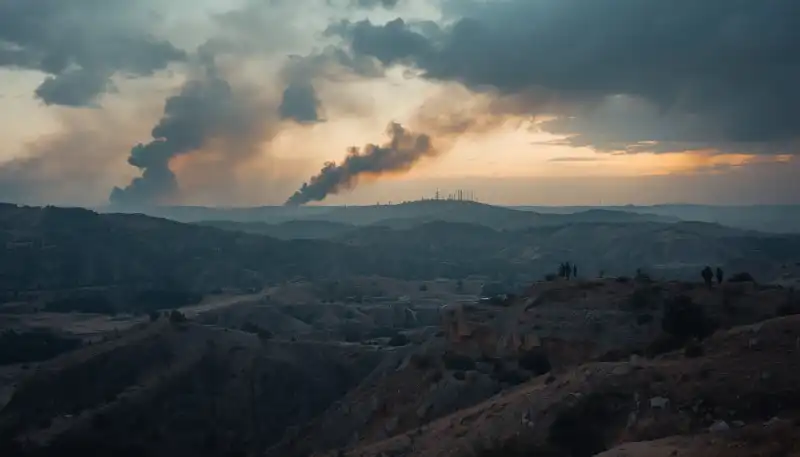
Fighting has now reached southern Lebanon, where Israeli ground forces and Iran’s Islamic Revolutionary Guard Corps (IRGC) are reportedly operating in the same area. At the same time, fresh missile and drone attacks have been reported around US-linked military facilities in the Gulf.
Fighting in Southern Lebanon and Iran’s Warning to Israel
One of the most serious developments is taking place around the Lebanese border.
IRGC presence in Ali al-Taher: Iranian officials have said that IRGC personnel remain active in the southern Lebanese area of Ali al-Taher. Iranian commanders have also warned Israel that any attack on their officers in the area could lead to direct Iranian missile strikes against Israeli cities.
Israel confirms ground operation: Israeli Prime Minister Benjamin Netanyahu said in a video statement that Israeli troops had entered the Ali al-Taher area. He claimed that Israeli forces destroyed underground tunnel networks and targeted fighters operating there.
IDF reports local operation: The Israel Defense Forces later released combat footage saying troops had completed an initial operation in parts of the area. The IDF said weapons stores and militant positions were found and destroyed. However, Israeli commanders indicated that further operations in the area could still take place.
Fresh Attacks Reported in Kuwait and the UAE
The conflict has also continued to affect the wider Gulf region.
Kuwait and UAE facilities targeted: Iranian defence sources have reported another wave of attacks against US-linked military positions in Kuwait and the United Arab Emirates. Kuwaiti officials described the attacks as a serious threat to national security, while US military officials said that most of the incoming missiles and drones were intercepted before reaching the bases.
Funerals held in Sirik: Meanwhile, large crowds gathered in Sirik for the funerals of civilians reportedly killed when an aerial strike hit a wedding gathering. Local hospital reports said at least five people had died, while dozens of others remained seriously injured.
Questions over weapons used: An investigation by The New York Times reportedly examined fragments recovered from the Sirik site and linked them to US-made precision-guided weapons. The findings have added to questions surrounding Washington’s account of the incident.
Iran confirms military casualties: Tehran has also acknowledged losses from recent US attacks. Iranian officials said three air force fighter pilots and six members of the IRGC Navy were killed.
Washington Faces Pressure as Oil Dispute Grows
The military escalation is also creating political and economic problems for Washington and its allies.
JD Vance rejects civilian targeting claims: US Vice President JD Vance has denied claims that American pilots deliberately targeted civilians. He said the administration was reviewing the incident in Sirik following criticism from rights groups and political opponents.
Trump attacks Britain: Advisers close to Donald Trump have reportedly encouraged him to reduce large-scale air operations until after the US midterm elections. Trump has also claimed that Iran’s economy is being badly affected by the fall in its currency. At the same time, he has criticised the UK for refusing to send warships to help with security around the Strait of Hormuz.
Different claims over oil exports: US energy officials say oil shipments through the Gulf remain largely normal, at around 17 to 18 million barrels per day. Iranian energy sources, however, claim that alternative tanker routes have already generated around $1 billion in oil revenue outside Western banking networks.
Iran increases Bavar-373 patrols: Military observers have also reported increased activity involving Iran’s domestically developed Bavar-373 air-defence system. The system is being used to monitor aircraft and other targets operating near Iranian airspace.
Frequently Asked Questions
Why is Iran threatening direct strikes on Israel over Lebanon?
Iran has warned that an Israeli attack on IRGC personnel operating in the southern Lebanese area of Ali al-Taher could result in direct Iranian missile strikes against targets inside Israel.
Did Iran launch missiles at Kuwait and the UAE?
Iranian military sources have reported another round of attacks targeting US-linked facilities in Kuwait and the UAE. The reports triggered additional air-defence activity across the region.
What was reported about the Sirik wedding strike?
An investigation by The New York Times reportedly examined debris from the Sirik attack and linked some of the fragments to US-manufactured precision-guided weapons. This has raised further questions about the circumstances of the strike.
How many Iranian military personnel were killed?
Iran has acknowledged the deaths of three air force fighter pilots and six IRGC Navy personnel in recent attacks.
What is the Bavar-373?
The Bavar-373 is an Iranian-made long-range surface-to-air missile system. It is designed to detect and engage aerial targets, including aircraft, drones, and cruise missiles.