Iran war update: US Hits Larak Island 31 August 2026
Regional tensions across the Middle East blew wide open again on 31 August 2026, and you can see straight away why this Iran war update is dominating international headlines. Between direct American missile strikes hitting Iranian island positions in the Strait of Hormuz, Iranian ballistic counter-strikes targeting US bases in Jordan, high-level political rifts in Washington, and energy costs jumping to historic highs, this confrontation is moving into a very dangerous phase.
US Strikes Larak Island as Tehran Retaliates Against American Bases in Jordan
The month-long lull in direct military strikes between Washington and Tehran came to an abrupt end overnight:
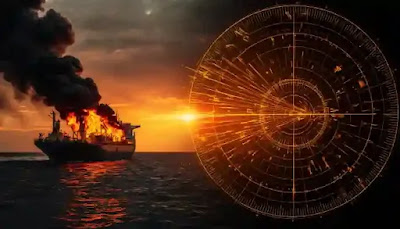
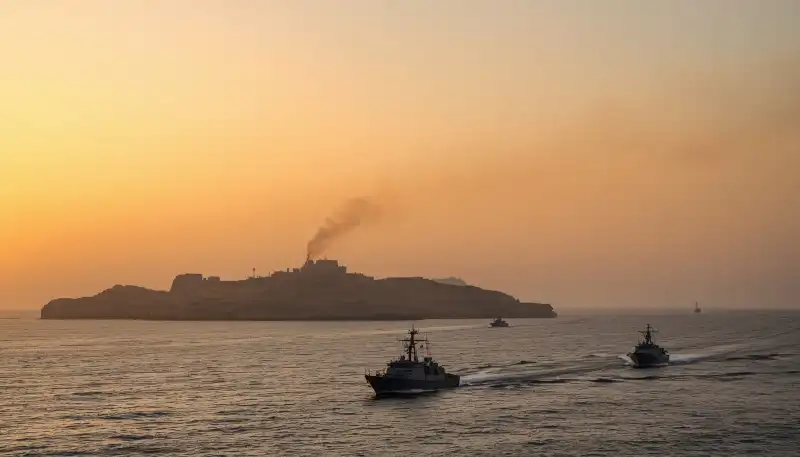
- Direct US Action on Larak Island: According to reporting from NDTV World and the Associated Press, US military forces launched precision strikes destroying two Iranian rocket and missile launchers stationed on Larak Island in the Strait of Hormuz. US Central Command officials stated that Islamic Revolutionary Guard Corps (IRGC) units were observed preparing to launch rockets carrying naval mines directly into commercial shipping lanes.
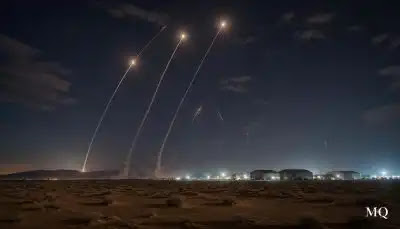
- Tehran Vows Punishment and Strikes Jordan Bases: Tehran immediately condemned the attack, calling it a fatal miscalculation. WRAL News and The National confirmed that Iranian forces retaliated by firing a barrage of ballistic missiles at two US military facilities in Jordan, with Jordanian air defence units intercepting eight missiles over their airspace.
- Rising Domestic Energy Costs in Israel: The broader fallout from regional refinery hits and shipping blockades has hit retail consumers hard. The Times of Israel reported that domestic fuel prices will surge at midnight to NIS 8.25 per litre, equalling a 14-year high last seen in September 2012.
- Cross-Border Shelling in Southern Syria: Despite ongoing backchannel diplomatic talks, Anadolu Agency reported that the Israeli military fired artillery shells into the al-Warda Hill area in southern Syria.
Political Strains in Washington and Pentagon Warnings Over Regional Overreach
Deep disagreements over war strategy and military resources are boiling over in Washington:
- Ted Cruz Calls for Arming Iranian Protesters: Anadolu Agency reported that US Senator Ted Cruz made a public appeal urging the Trump administration to directly arm Iranian citizens and Kurdish opposition groups to trigger regime change, rather than deploying American ground troops.
- Pentagon Brass Warn Hegseth: According to a classified assessment detailed by The Washington Post, senior US military leaders cautioned Defense Secretary nominee Pete Hegseth that getting bogged down in prolonged, large-scale operations in the Middle East risks severely weakening American military readiness and deterrence in other critical global regions.
- Washington Declines to Lead Saudi Yemen Campaign: Diplomatic reporting from Modern. az and Nournews revealed that Washington rejected a formal request from Saudi Crown Prince Mohammed bin Salman to lead a fresh military campaign against Yemen’s Houthis, agreeing only to support operations since Houthi strikes are primarily hitting Saudi vessels rather than US assets.
- Chinese Oil Purchases and Sanctions Reluctance: Former US national security official Mark Pfeifle told Al Jazeera (via Dawn) that the Trump administration wants to avoid imposing secondary sanctions on Chinese buyers importing discounted Iranian crude, noting that Beijing and Washington’s economies remain too deeply intertwined.
Diplomatic Mediation, Global Food Risks, and Covert Operations
The ripple effects of the six-month conflict are hitting international supply chains and digital fronts:
- Pakistan Pushes New Mediation Track: Asia Times reported that Pakistan’s top leadership launched a fresh diplomatic initiative between Washington and Tehran, seeking to revive backchannel talks and find a de-escalation off-ramp.
- Global Fertilizer and Food Crisis Alert: An analysis by The Wall Street Journal warned that because China, Russia, and Iran control a dominant share of the world’s commercial fertilizer supply, a prolonged war could trigger massive agricultural price shocks and grocery inflation inside Western economies.
- Meta Disrupts Iranian AI Disinformation Network: Axios confirmed that tech giant Meta uncovered and dismantled an Iran-linked covert influence network that used artificial intelligence tools to target US politicians and media figures online.
- Supreme Leader Calls for Unity: Addressing regional states, Iran’s Supreme Leader urged Muslim-majority nations to identify the US-Israel axis as their true strategic opponent, as covered by Anadolu Agency.
Frequently Asked Questions
Why did the US strike Larak Island?
The Associated Press reported that US forces destroyed two IRGC rocket launchers on Larak Island after detecting preparations to fire sea mines into the Strait of Hormuz.
How did Iran react to the US attack?
According to The National, Iranian forces fired ballistic missiles at US military bases in Jordan, prompting Jordanian air defences to intercept eight incoming missiles.
Why did Israeli fuel prices hit a 14-year high?
The Times of Israel confirmed that fuel prices reached NIS 8.25 per litre due to global refining shortages, regional shipping disruptions, and currency shifts.
What did US military leaders warn Pete Hegseth about?
The Washington Post reported that defence commanders warned that extending Middle East operations risks depleting munitions and weakening US military capability in other global theatres.
Why is the US hesitant to sanction Chinese oil buyers?
According to Dawn and Al Jazeera, US officials want to avoid secondary sanctions because the US and Chinese economies are heavily interdependent.