Iran war update: US Bases Hit in Gulf

Things across the Persian Gulf really unravelled overnight on 3 September 2026, and you can see why this Iran war update has set off panic from Washington to the Gulf capitals. What started weeks back as shadow skirmishes has turned into round-the-clock slugging. Between US strikes leaving dozens of civilian casualties along the Iranian coastline, Iranian missiles slamming straight into US naval and air installations, oil exports grinding completely to zero, and the Iranian currency hitting floor levels, neither capital seems ready to blink.
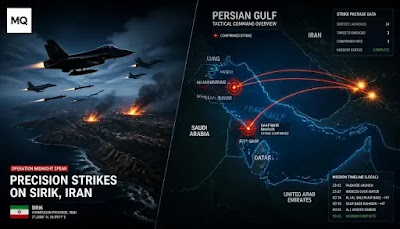
Sirik Airstrikes Leave Civilian Toll as Tehran Hammers Seven US Installations
The scale of direct attacks took a sharp jump in the early hours of Thursday:
Civilian Deaths in Sirik: News reports from Reuters and the Associated Press confirmed heavy airstrikes across Iran’s southern district of Sirik and nearby Kuhistak. Local monitors said ordnance landed near a family wedding gathering and knocked out regional communications sites, killing around 19 to 20 civilians and wounding over a hundred. US Central Command claimed it went after missile launchers rigged to hit subsea internet cables, but wreckage recovered at the scene pointed to heavy air-dropped munitions hitting built-up areas.
Seven US Bases Hit Across Region: Iranian forces answered immediately. According to military reporting cited by Al Jazeera, Tehran let loose salvos of ballistic missiles and Shahed-136 attack drones at seven US-linked positions across the Middle East. Fresh satellite passes showed visible burn scars and roof damage at the US Navy facility in Manama, Bahrain, along with blasts near US staging grounds outside Erbil in northern Iraq.
Jordanian Commander Removed: Regional reporting revealed Amman replaced a top air defence officer after battery crews failed to stop several low-flying Iranian missiles streaking toward US-operated sites inside Jordan.
Hormuz Mines and Crew Deaths: The National reported that two commercial tankers suffered severe hull damage from drift mines in the Strait of Hormuz. At the same time, Saudi port authorities admitted that earlier drone hits on commercial vessels cost the lives of two Filipino sailors.
Economic Freefall, Rial Crumbles, and the Battle Over Hormuz Shipping
Beyond the missile exchanges, the economic fallout is hitting everyday life and international energy markets hard:
Rial Hits All-Time Low: Market reports from Bloomberg showed Iran’s currency crumbling to near-worthless levels on currency exchanges, with the exchange rate showing fractions of a cent as US secondary sanctions strangle dollar access.
Zero Oil Exports: Fleet data tracked by TankerTrackers.com confirmed Iran’s crude shipments have effectively flatlined to zero barrels per day under naval blockade. The chokepoint shutdown is dragging regional peers down too, cutting oil outflow from Iraq, Kuwait, Qatar, and Syria by roughly 36% to 48%, while European natural gas prices touched a three-year peak.
Tanker Blacklists and Boarding Raids: Tehran widened its blacklist of prohibited foreign tankers barred from entering the Strait of Hormuz. Iranian naval squads also boarded an offshore fuel vessel, seizing the ship and arresting 11 foreign crewmen on smuggling allegations.
Trump Jokes About Renaming the Strait: Donald Trump jumped onto social media, bragging about American sea dominance and openly floating the idea of renaming the passage the “Strait of Trump,” though naval officers privately concede the corridor remains treacherous.
Sanctions Warnings on China and Allies: US Treasury Secretary Scott Bessent appeared on financial news shows warning Washington’s allies and rivals alike that any company moving Iranian oil will face devastating secondary penalties designed to force internal economic collapse in Tehran.
Diplomatic Realignment and Regional Defensive Moves
With the fighting widening, regional governments are shifting defence postures:
Pakistan Sends Troops to Saudi Arabia: Turkish and Pakistani diplomatic sources confirmed that under the Mecca Agreement reached in Turkey, Islamabad is readying 10,000 security troops to deploy into Saudi Arabia to secure vital infrastructure.
Tehran Hosts Hamas Delegation: In the middle of the strikes, Iranian parliamentary speaker Mohammad Bagher Ghalibaf hosted Hamas political figures in Tehran to signal continued regional alliance strength.
Israeli Forces on High Alert: The Times of Israel reported that Israeli air wings and missile batteries went on peak alert ahead of Jewish holidays, watching for coordinated long-range drone barrages from regional proxies.
Frequently Asked Questions
What happened during the airstrikes in Sirik?
The Associated Press and Reuters reported aerial bombardments in Sirik and Kuhistak hit near civilian buildings and a wedding, killing roughly 20 people and injuring over 100.
Did Iranian missiles hit the US base in Bahrain?
Satellite imagery and Al Jazeera confirmed that Iranian Shahed-136 drones and missiles caused verified blast damage at the US naval base in Manama, Bahrain.
Has Iran stopped exporting crude oil?
Data from TankerTrackers.com showed Iran’s crude oil exports dropped to zero due to tight naval interdictions and expanded US financial penalties.
Why is Pakistan moving troops to Saudi Arabia?
Following security discussions under the Mecca Agreement framework in Turkey, Pakistan agreed to send 10,000 troops to help protect Saudi strategic sites.
Why are gas prices rising in Europe?
Severe disruptions in the Strait of Hormuz cut Qatari and regional fuel deliveries by nearly half, sending European benchmark LNG prices to a three-year high.