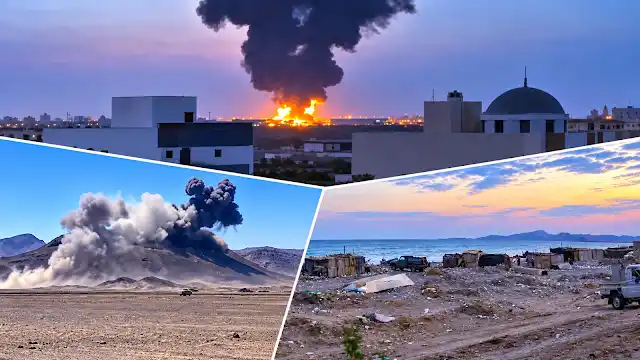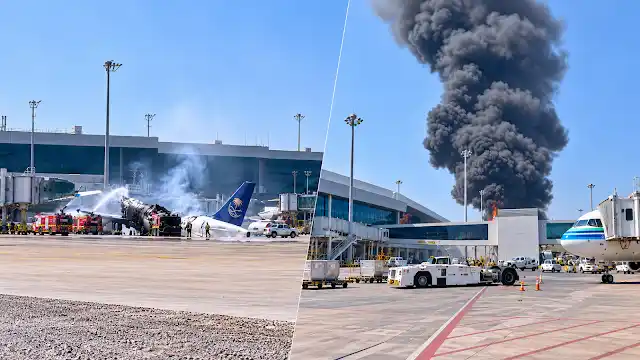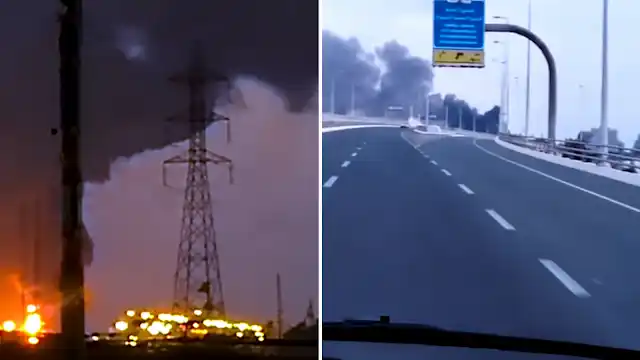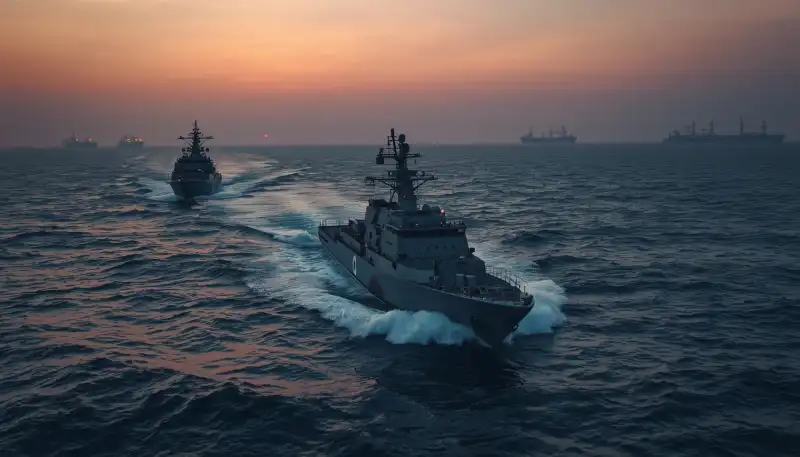
Watching events unfold across the region on 24 August 2026, it is clear that the confrontation between Washington and Tehran is entering uncharted territory, making this latest Iran war update critical to follow. What began as targeted skirmishes in the Gulf has grown into an expansive economic and electronic conflict. Political leaders in the United States are preparing for a broader phase of operations, while Iranian leadership has drawn a hard line in the Persian Gulf, threatening an outright energy blockade alongside sophisticated cyber disruptions aimed at Western power grids.
Washington Signals New Phase as Tehran Threatens Persian Gulf Energy Shutdown
Decision-makers in the United States are preparing public opinion and international partners for an expanded operational posture. According to reporting by WION News, US House Speaker Mike Johnson stated on Fox News that the war with Iran is set to enter a “new phase very soon,” adding that international partner nations are expected to assist Washington in concluding the campaign. The development comes as the Pentagon seeks creative supply-chain solutions to address military stockpiles. As detailed by The New York Times, Florida-based defence technology firm Powerus has accelerated mass production of low-cost counter-drone interceptors, aimed at easing the logistical strain on expensive, heavily depleted Patriot and THAAD air-defence arsenals.
Iranian leadership responded to Washington’s posturing with severe warnings. As reported by TradingView Financial News, senior Iranian security official Mohsen Rezaee stated that if the economic war persists, “not a single drop of oil will be exported, neither through the Strait of Hormuz nor from anywhere in the Persian Gulf,” cautioning that any nation assisting Donald Trump and US Treasury Secretary Scott Bessent’s economic sanctions will be treated as an active participant in an act of war. This escalation follows the maritime disputes covered in our Iran war update on NATO talks and Hormuz navigation. Adding to this hardline stance, Iranian political analyst Seyed Mohammad Marandi warned on social media that open military clashes will likely reignite and that regimes coordinating with Washington’s financial blockade will face severe consequences.
Severe Economic Fallout, Rial Crash, and Regional Budget Reductions
The tightening financial embargo is causing intense economic shockwaves for both domestic citizens and neighbouring trade partners:
- Historic Rial Depreciation: Israeli broadcaster i24NEWS reported that the Iranian Rial fell to a record low of 2 million per US dollar on unofficial exchange markets, prompting Parliament Speaker Mohammad Bagher Ghalibaf to warn that military strength cannot sustain the country if domestic liquidity, employment, and manufacturing dry up entirely.
- Domestic Strain in Tehran: In a public address broadcast on state television and covered by CBS News, Iranian President Masoud Pezeshkian acknowledged that everyday citizens are enduring “many problems” under what he termed a full-scale economic and security war.
- Gulf Fiscal Reductions: The regional trade slowdown is putting fiscal pressure on neighboring oil and gas exporters. According to reporting by WION News, Qatar has moved to cut government department budgets by up to 30 percent as maritime transit disruptions weigh on regional momentum, contrasting with earlier trade discussions covered in our analysis of the UAE-Iran settlement and regional trade dynamics.
- Shifting Diplomatic Dynamics: Western sanctions policies are meeting mixed compliance across Eurasia. Regional outlet The Cradle confirmed that the government of Georgia formally refused to adopt European Union sanctions on Tehran, citing vital national economic interests. In Baghdad, Shafaq News revealed the White House has increased pressure on the Iraqi government to sever billions of dollars in cross-border Iranian electricity imports, while Al Jazeera reported that Beijing hosted Iran’s deputy foreign minister to secure bilateral commercial shipping routes.
Cyber Strike on British Power Station, Hormuz Maritime Orders, and Border Clashes
The conflict has expanded into cyberspace, targeting Western national infrastructure. As detailed by The Telegraph and reported by Business Today World News, hackers affiliated with the Iranian regime breached and disabled an operational British power station, knocking the generation facility offline for four consecutive days. The incident prompted the UK National Cyber Security Centre (NCSC) and government officials to place power grid operators and energy sector executives on high alert.
On the water, Iranian authorities are stepping up administrative controls across vital transit chokepoints. Press TV reported that the newly established Persian Gulf Strait Authority (PGSA) published strict regulatory guidelines for the Strait of Hormuz, cautioning that commercial vessels failing to submit required transit filings or ignoring local naval directives face boarding, interception, heavy financial penalties, or vessel impoundment.
Developments across the Levant and the wider Islamic world have added further complexity:
- Syrian Drone Incident: Syrian state media SANA and CBS News reported that an Israeli drone strike hit a vehicle near the southwestern Syrian village of Beit Jin, drawing a diplomatic rebuke from Damascus regarding national territorial sovereignty.
- Gaza Frontier Statement: The Times of Israel reported that Hamas spokesman Hazem Qassem dismissed warnings over cross-border kites, characterising them as simple playthings flown by children in refugee camps and claiming Tel Aviv is seeking pretexts for renewed aerial bombardments.
- Mecca Security Accord: In a major diplomatic development, The Jerusalem Post reported that Saudi Arabia, Turkey, and Pakistan signed a joint defense pact in Mecca and extended an invitation to Tehran to join the regional security initiative.
Frequently Asked Questions
What did US House Speaker Mike Johnson say about the Iran conflict?
WION News reported that Mike Johnson told Fox News the war with Iran is entering a “new phase very soon” with anticipated assistance from international allies.
What warning did Mohsen Rezaee issue regarding Persian Gulf crude oil?
TradingView Financial News confirmed that Rezaee warned “not a single drop of oil will be exported” through the Strait of Hormuz if Washington continues its economic embargo.
How did the Iranian cyberattack affect the UK power grid?
Business Today reported that Iranian state-linked hackers forced a British power generator offline for four days, placing energy operators on alert.
Why did Qatar announce government budget cuts?
WION News confirmed Qatar reduced department budgets by up to 30 percent due to economic drag and shipping friction in the Strait of Hormuz.
Did Saudi Arabia, Turkey, and Pakistan sign a defense agreement?
The Jerusalem Post reported that the three nations concluded a joint defense pact in Mecca and extended an invitation to Iran to join.