You only need to glance at the news from 22 August 2026 to see why this Iran war update has got everyone on high alert. Honestly, with NATO leaders debating independent naval deployments for the Strait of Hormuz, Donald Trump calling out semi-neutral allies, and Tehran standing firm on its strategic leverage, the conflict is widening across every front.
NATO Debates Hormuz Navigation Options Outside Alliance Command
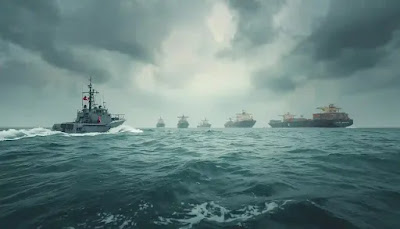
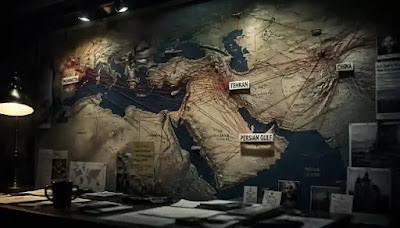
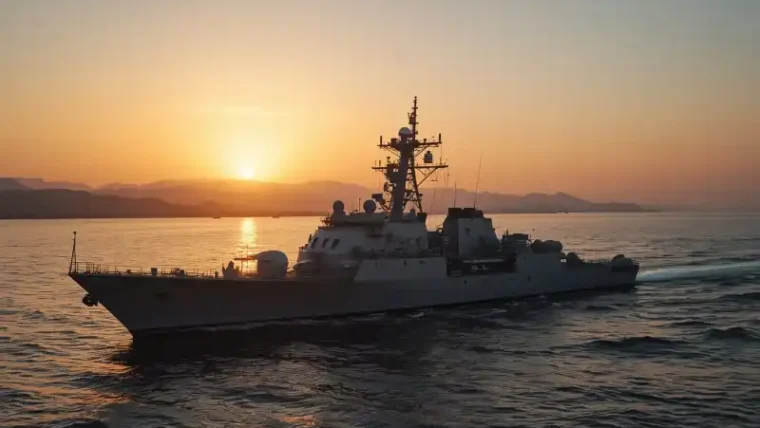
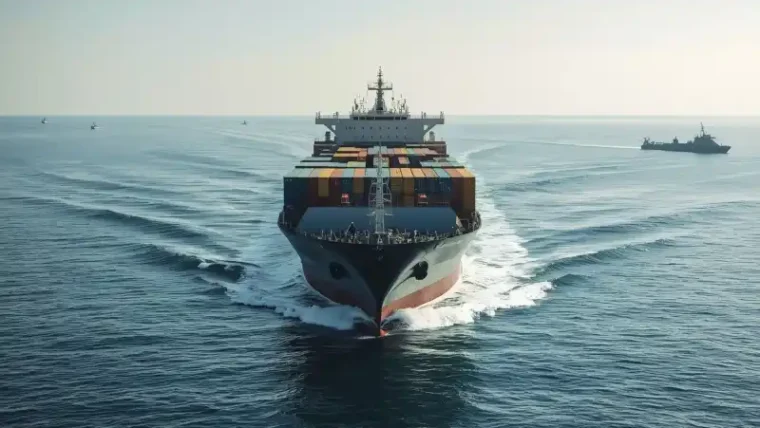
The maritime standoff across the Persian Gulf took an unexpected turn into European defence circles. Reporting from Reuters and The Times of Israel showed that US Air Force General Alexus Grynkewich, who heads US European Command, set up a virtual conference with allied defence chiefs to talk about protecting commercial ships through the Strait of Hormuz. Even so, alliance spokespeople made it clear straight away that any naval task forces would be run on an individual country basis rather than as an official NATO deployment, showing how keen European capitals are to avoid getting dragged straight into a hot shooting war with Tehran.
Tehran has made it clear that Western naval maneuvers in the narrows will not go unanswered. Iranian military commanders warned that any foreign warships attempting to escort tankers without proper permissions or jumping past local maritime controls will be challenged on the water, keeping commercial traffic on edge.
US Treasury Threatens Economic Oblivion as China Rejects Sanctions
In Washington, the White House shifted its primary strategy toward total financial isolation. Statements covered by ABC News and CNBC confirmed that US Treasury Secretary Scott Bessent issued severe warnings to the international community, declaring that any foreign government or financial institution maintaining economic lifelines to Tehran will face outright economic oblivion. Bessent claimed oil markets are fundamentally misinterpreting the administration’s economic pressure, while reporting from The Cradle noted his admission that Washington is unlikely to restart large-scale direct military strikes, opting instead for systemic financial strangulation.
The aggressive embargo plans immediately drew fierce international pushback. Beijing flatly rejected the American threats, with Chinese officials stating that unilateral economic warfare will never resolve the Iranian crisis while continuing their commercial energy transactions. Meanwhile, Iranian Foreign Minister Seyed Abbas Araghchi delivered a scathing critique on social media, pointing to historical precedents where previous American administrations failed with crippling sanctions and unconditional surrender demands. Araghchi remarked that Tehran has seen this exact film before and that the latest campaign is bound to collapse just like earlier attempts.
Trump Questions Gulf Allies as Tehran Asserts Position of Strength
Diplomatic friction between Washington and its regional partners surfaced publicly following candid remarks from the White House. During a broadcast interview cited by TASS, Donald Trump expressed frustration that several key Middle Eastern allies adopted a semi-neutral posture during the height of missile exchanges across the Gulf, seeking to avoid direct targeting of their own infrastructure. In response, Iranian academic Seyed Mohammad Marandi and parliamentary leaders declared on social media that the Islamic Republic will bring imperial overreach to its knees.
Concurrently, Iranian President Masoud Pezeshkian addressed senior medical and state officials in Tehran, as reported by AFP and The Times of Israel. Pezeshkian explained that the broader military fight with the US and Israel ought to wrap up now because Tehran holds the upper hand militarily and economically. Over in Baghdad, Iranian parliamentary leaders wrapped up fresh security understandings with Iraqi ministers, agreeing both nations will keep out of each other’s domestic affairs while pushing back against outside military meddling.
Depleted Missile Interceptors Raise Doubts Over American World Order
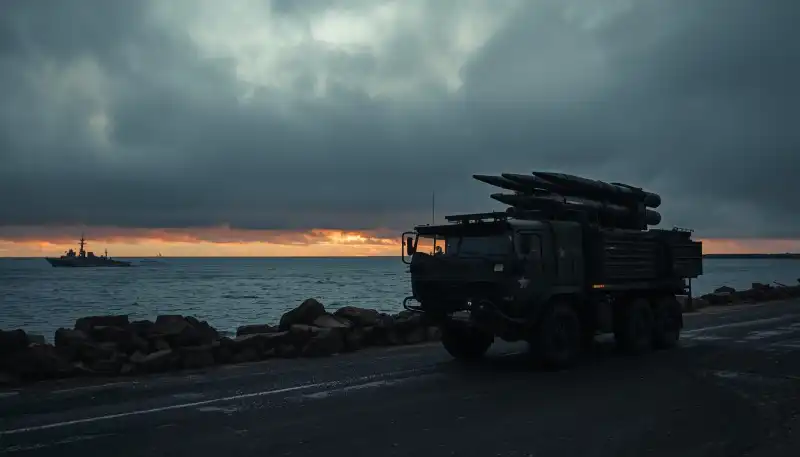
Beyond the political rhetoric, serious vulnerabilities within Western military supply chains have emerged into public view. An extensive analytical report by The Wall Street Journal revealed that months of sustained missile and drone defence engagements across the Middle East have severely drained Pentagon stockpiles of critical air-defence interceptors, including Patriot and THAAD munitions. International security analysts and regional allies are openly questioning whether the United States still possesses the logistical depth to enforce global stability across multiple active operational theatres simultaneously.
Strategic shifts across the Gulf are also shaking up old alliances. Analytical work from the Institute for National Security Studies (INSS) pointed out that Saudi Arabia is steadily stepping back from standard confrontation, leaning much harder into independent diplomatic talks to protect its massive domestic investment projects.
Frequently Asked Questions
Why did NATO military chiefs meet regarding the Strait of Hormuz? Reuters reported that allied commanders held talks on keeping Gulf sea lanes open, though officials stressed it remains an informal coordination effort rather than an official NATO mission.
What did US Treasury Secretary Scott Bessent announce regarding sanctions? CNBC and ABC News confirmed Bessent warned that any nation maintaining commercial ties with Iran will face severe economic penalties, while noting large-scale military assaults remain unlikely.
How did Iranian Foreign Minister Abbas Araghchi respond to US economic threats? Araghchi cited historical failures of past American sanctions regimes, stating that Washington’s latest economic campaign will fail just like previous attempts.
Why did Donald Trump criticise Middle Eastern allies? TASS reported Trump claimed several Gulf partner nations adopted a semi-neutral stance during missile exchanges to protect their domestic territory.
What did The Wall Street Journal report regarding US missile interceptors? The Wall Street Journal revealed that prolonged air-defence operations across the region have heavily depleted vital American interceptor stockpiles, raising questions about broader military endurance.
What did Iranian President Masoud Pezeshkian say regarding the war? AFP reported that Pezeshkian stated Tehran is operating from a position of power and that the conflict should conclude based on current strategic realities.