- US-Iran Tensions and Hormuz Shipping Crisis: What Is True and What Is Noise
- Nuclear talks and enrichment claims
- What is really happening in the Strait of Hormuz?
- Fact check: Did the US lose 81 aircraft?
- European fuel moves and embassy drama
- Pilot recruits, video games, and language tests
- Gulf port limits and foreign currency reserves
- Border radar and sky surveillance
- Keeping a level head
US-Iran Tensions and Hormuz Shipping Crisis: What Is True and What Is Noise
Let us ignore the panic and check what wire journalists on the ground actually say.
Nuclear talks and enrichment claims
A lot of the current tension comes down to uranium sites. In a recent interview, US Vice President JD Vance argued that Tehran has to stop running high-level enrichment up around sixty percent if anyone wants lower tensions.
Tehran’s diplomats fired back immediately. They said running reactors under foreign inspection is their legal right, and they will not freeze equipment because of Western demands. Talks are completely jammed right now. Still, claims that atomic strikes are hours away have zero backing from nuclear inspectors. It is an ugly diplomatic staring contest, not an overnight countdown.
What is really happening in the Strait of Hormuz?
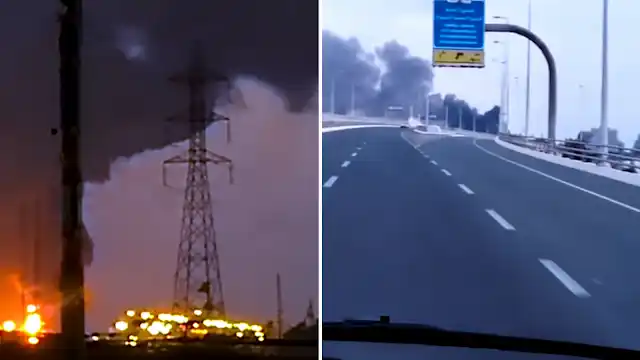
Control over the shipping lane is back in the spotlight. Voices tied to the Revolutionary Guard posted clips saying Iranian forces run the whole passage and could shut it until their list of demands gets signed.
Lawmakers in Washington, including Senator Marco Rubio, pushed back bluntly, arguing that naval patrols will keep commercial sea passages open no matter what rhetoric comes out of Tehran.
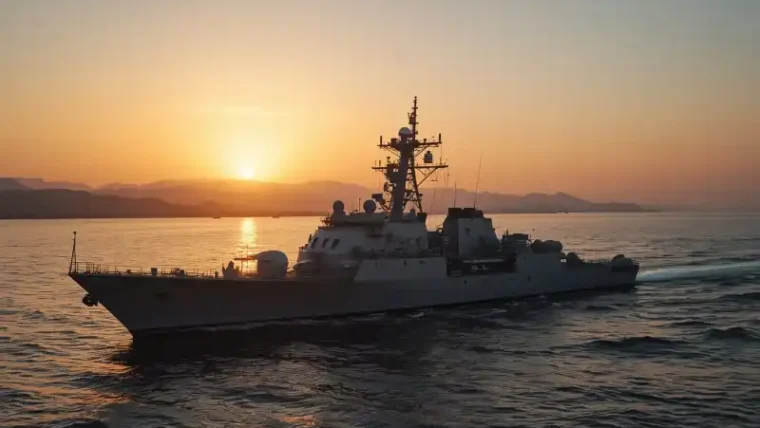
Out on the open water, shipping logs tell the real story. Radio harassment, strange radar spoofing, and tanker insurance costs are definitely up. But the strait is not chained shut. Huge crude tankers still make their daily runs round the clock, moving along monitored corridors under naval watch.
These naval escorts follow the same transport headaches we covered during our earlier look at the Strait of Hormuz shipping crisis, where commercial crews adapted to steep insurance bills to keep energy deliveries rolling.
Fact check: Did the US lose 81 aircraft?
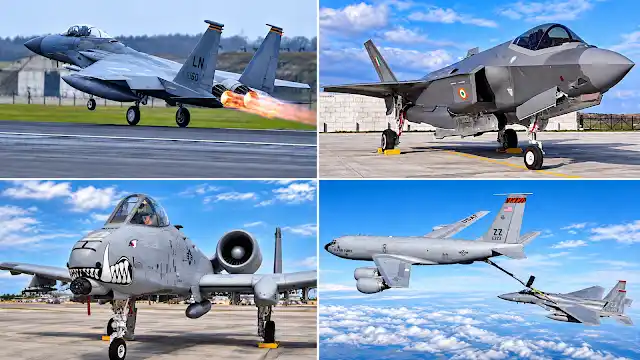
A viral list making the rounds claims American air wings lost 81 aircraft, writing off whole squads of F-15s, F-35s, heavy tankers, and Army helicopters.
Honestly, that claim falls completely flat. Down in Yemen, fighters have managed to bring down unmanned gear like the MQ-9 Reaper drone. We have proof for that. But not a single independent defence analyst or wire desk has logged dozens of piloted American jets or fuel tankers tumbling out of the clouds. Fictional loss lists like these are standard wartime propaganda meant to look like huge victories.
European fuel moves and embassy drama
The knock-on effect of Gulf naval tension is hitting European fuel pumps. French authorities said they will tap ten million barrels of diesel from national emergency stocks to keep domestic pump prices from spiking.
This follows regular International Energy Agency rules used whenever tanker routes get jittery. It is a planned shock absorber, not a national bankruptcy notice.
Meanwhile, diplomats in Paris hauled in the Iranian representative to complain after suspicious social media pages began stoking local university marches.
Pilot recruits, video games, and language tests
Inside Tehran, state messaging leans heavily on public readiness. New television spots have been nudging teenage joystick fans to sign up, testing their reflexes on flight software.
Interestingly, the forms ask if candidates know any Russian. Aviation observers pointed out this detail shows growing technical links with Moscow, especially as rumours fly about new fighter jet deliveries landing in Iranian hangars.
Gulf port limits and foreign currency reserves
Down in regional harbours, practical rules are tightening without fanfare. Port bosses across the United Arab Emirates put strict docking rules on certain Iranian cargo boats to follow international sanctions rules.
Domestically, Iranian President Masoud Pezeshkian warned citizens that tight trade embargos mean households must use fuel sparingly. At the same time, the Central Bank Governor went on air insisting state currency vaults hold enough cash to keep food on shelves and keep the economy from going under.
Border radar and sky surveillance
Far overhead, engines keep droning day and night. Recon birds and commercial satellites keep mapping lorry traffic along the Iraqi frontier, logging every dust trail.
On the ground, air defence crews rotate radar gear and missile trucks across base perimeters. Politicians shout big threats into television mics, but line officers know an uncontrolled fight ruins everyone.
Keeping a level head
The Gulf situation is undeniably tense. Warships stay on high alert, tanker crews pay giant insurance tabs, and diplomats keep trading barbs.
Running after every breathless claim of wiped-out fleets or total blockades just exhausts people. Stick to the basic rule: skip the screaming voiceovers, look at the actual filming dates, and follow reporters who work with verified facts.
Common questions answered
Did Iran close the Strait of Hormuz? No. Naval patrols are checking ship radios, but crude tankers keep moving through international lanes daily (Reuters).
Did American forces lose 81 planes recently? No. While a few unmanned drones were brought down, not a single piloted jet or fuel tanker was destroyed.
Why is France releasing emergency diesel? Paris decided to tap fuel reserves to stop price jumps caused by high maritime insurance fees.
Are nuclear talks completely dead? They are completely stalled over enrichment limits, but nobody has launched strikes or called off all backroom contacts.