Iran US Conflict: Hormuz Strikes, IAEA, Oman Talks
Iran US Conflict: Hormuz Strikes: Maritime Strikes Escalate, CENTCOM Pushes Back, and Nuclear Verification Stalls
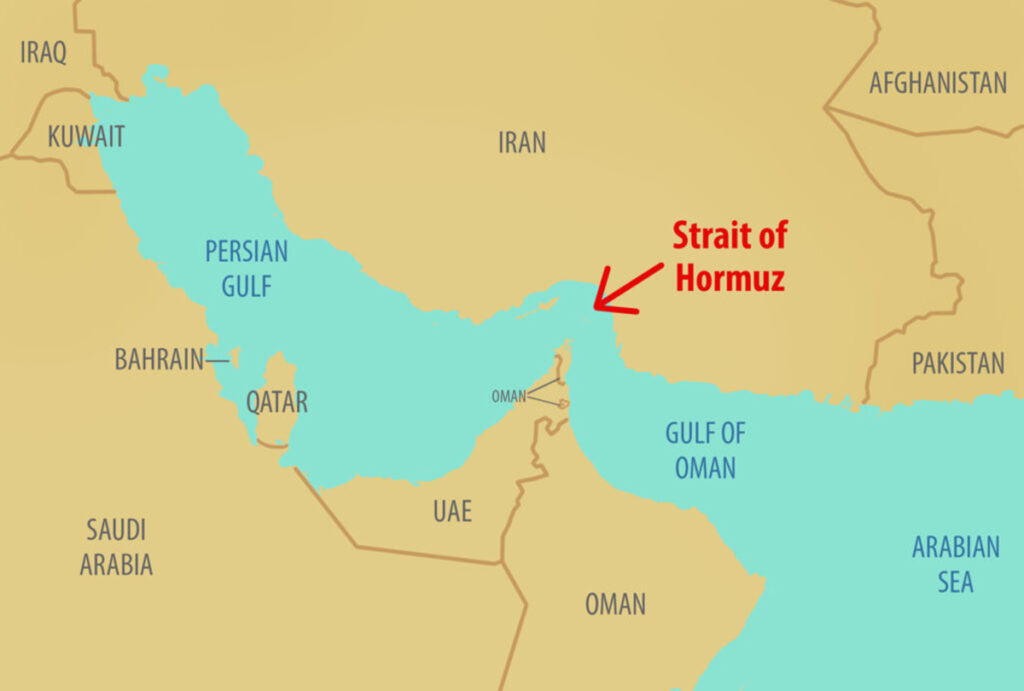
Tensions across the Middle East and the Persian Gulf have reached a high-stakes flashpoint as maritime disruptions, diplomatic maneuvers, and military posturing unfold simultaneously. According to recent developments on the Iran US Conflict Strait of Hormuz Update, shipping routes around the Strait of Hormuz remain volatile following reported strikes on commercial and energy vessels, even as officials push conflicting narratives and diplomatic channels attempt to prevent wider escalation. Readers following ongoing geopolitical coverage can browse our full international archive at marqzy.in/middle-east-updates/.
Maritime Security and Strait of Hormuz Disruptions
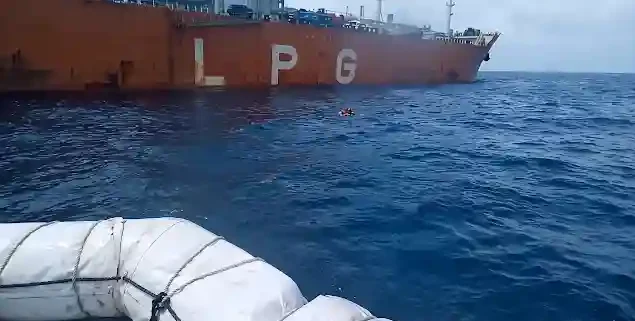
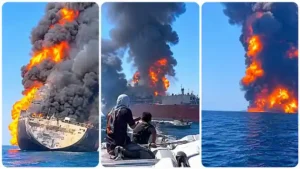
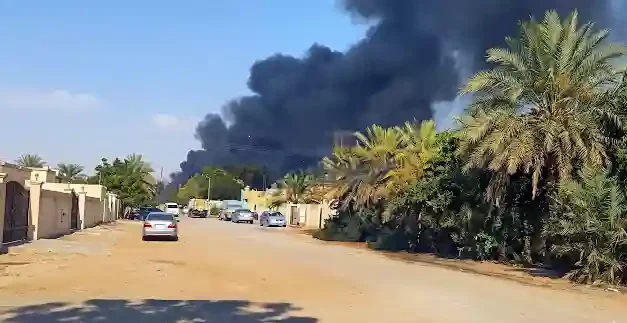
Commercial shipping and energy transit in the Strait of Hormuz continue to face severe strain. Reports from regional outlets and maritime authorities indicate a vessel linked to UAE state oil operations (ADNOC) was struck in the Strait of Hormuz, leaving one crew member missing while others were evacuated and several sustained injuries. Meanwhile, Saudi Arabia’s Ministry of Foreign Affairs condemned attacks affecting shipping and regional sites connected to Gulf states including Kuwait, Bahrain, and the UAE.
On the military front, Iran’s armed forces leadership has signaled heightened readiness and ongoing defense expansion amid reports of US naval deployments and carrier movements in the region. At the same time, US naval forces and regional allies are managing intense operational pressure while enforcing maritime security and blockade measures.
Fact Checks, Intelligence Claims, and Political Friction
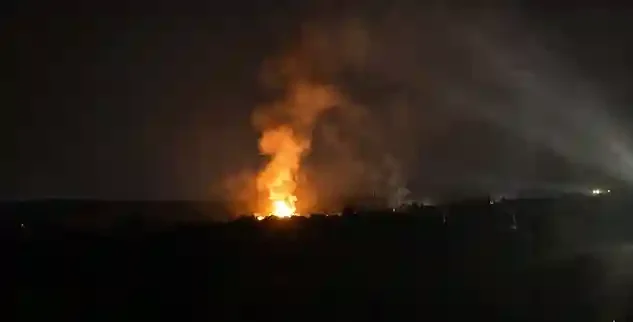
Information warfare and public messaging have become major battlegrounds alongside physical incidents:
- CENTCOM Fact Check: U.S. Central Command (@CENTCOM) publicly rejected online claims alleging that American military personnel were injured in recent Iranian attacks and required medical evacuation, stating that US service members are safe and accounted for.
- Dirty Bomb & Cyber Narratives: US officials, including Secretary of State Marco Rubio and Homeland Security leadership, pushed back against alarming reports suggesting an imminent chemical or “dirty bomb” plot inside the United States, while Bloomberg reporting noted US officials distinguishing between ongoing cyber pressure on infrastructure and separate recent technology outages.
- Domestic & Allied Dynamics: Reports from outlets such as Reuters and Nacionale point to active lobbying by Israeli intelligence leadership during Washington visits for continued or renewed pressure against Iran, alongside statements from Prime Minister Benjamin Netanyahu framing action against Tehran as unavoidable. Meanwhile, political commentary in Washington has highlighted internal debate over war fatigue, election pressures, and differing viewpoints among US leaders.

Nuclear Watchdog Warnings, Sanctions, and Diplomacy
International oversight and financial pressure remain central pillars of the standoff:
- IAEA Verification Concerns: International Atomic Energy Agency (IAEA) Director General Rafael Grossi emphasized that the agency lacks full on-site access and updated verification data for Iran’s nuclear material beyond monitored exceptions such as Bushehr, urging renewed diplomatic engagement and inspector access.
- US Treasury Sanctions: The U.S. Department of the Treasury announced “Operation Economic Outcast,” targeting financial and proxy support networks—including entities such as the Wa Ta’awanu Association and cross-border gold and cash transfer networks—linked to regional militant operations.
- Diplomatic Channels: Despite sharp rhetoric and military alerts, diplomatic contact continues, with Iranian Foreign Minister Seyed Abbas Araghchi pointing to discussions in Oman aimed at managing tensions and avoiding a renewed full-scale war.
Whether diplomatic efforts in capitals like Muscat and Doha can offset maritime risks in the Strait of Hormuz and strategic pressures in Washington and Tehran remains a critical question for global markets and regional stability.
Frequently Asked Questions
What did CENTCOM say about reported injuries to US personnel?
U.S. Central Command denied online claims of US military injuries and medical evacuations from recent Iranian attacks, stating that American personnel are safe and accounted for.
What happened in the Strait of Hormuz according to recent reports?
Reports indicate a vessel connected to UAE state oil logistics was struck in the Strait of Hormuz, resulting in injuries, a missing crew member, and ongoing rescue operations.
What is the IAEA’s main concern regarding Iran’s nuclear program?
IAEA leadership has stated that without on-site access and full reporting from Tehran, the agency cannot independently verify the status of declared nuclear material beyond limited monitored facilities.
What did the US Treasury target under Operation Economic Outcast?
The US Treasury announced sanctions targeting proxy-linked financial and charitable channels as well as cross-border cash and gold networks associated with regional militant financing.