- Middle East War Update 7 August 2026: Saudi Arabia, Yemen, and Lebanon Breakdown
- Preemptive Houthi Strikes Shatter Yemeni Government Forces
- US Packs Up Air Defense Systems Near Erbil Airport
- Saudi Oil Imports Decline Amid Continued Hormuz Strait Deal Discussions
- Israel Rejects Gaza Framework while Rome Talks on Lebanon Stagnate
- Expanding Fronts: West Bank Land Seizures, Syria Warnings, and Diplomatic Calls
Middle East War Update 7 August 2026: Saudi Arabia, Yemen, and Lebanon Breakdown
On 7 August 2026, the Middle East is experiencing a period of heightened regional tensions, with multiple flashpoints contributing to a volatile situation. Building directly on yesterday’s Day 26 conflict report, the whole geopolitical board is shaking as internal fighting inside Yemen explodes, Saudi energy exports take a drastic hit, and diplomatic talks over Lebanon completely freeze up. Here is today’s comprehensive breakdown of the primary developments unfolding across the region.
Preemptive Houthi Strikes Shatter Yemeni Government Forces
Look, internal clashes inside Yemen took a violent and dramatic turn today. According to detailed reporting by Insider Paper and Al Arabiya English, Houthi fighters launched heavy, coordinated military strikes targeting Yemeni government troops in the Hadhramawt and Marib provinces.
Properly speaking, over fifty official Yemeni military personnel lost their lives in the very first wave of attacks. Houthi commanders straight up claimed this was a necessary preemptive strike. They argued that official Yemeni government forces, heavily backed by Saudi Arabia, Washington, and Israel, were quietly organizing a massive ground operation against Houthi-controlled territories. Before that joint operation could launch, Houthis struck their bases, forcing government troops to retreat under heavy pressure.
The US Mission to Yemen released an official statement offering deep condolences to the families of fallen soldiers and calling the strike a cowardly terrorist attack against the Yemeni people. Meanwhile, as reported by Al Jazeera, Houthi military spokesman Yahya Saree issued urgent public warnings telling fighters to clear out of emergency force camps in government-held areas immediately. In response, Yemen’s defense ministry promised to retaliate against Houthi positions at an appropriate time and place.
US Packs Up Air Defense Systems Near Erbil Airport
Washington’s recent military moves in Iraq are understandably causing concern among its regional allies. Amwaj Media reports that American military crews have begun removing the last Patriot missile batteries stationed near Erbil International Airport in northern Iraq.
This withdrawal is tied directly to the approaching late-September exit deadline for US troops in Iraq. Local Kurdish officials privately begged Washington not to pull these heavy air defense shields right now, pointing out that regional threats and drone strikes are still happening regularly. But Washington pushed ahead anyway to clear out hardware before the deadline, leaving local Kurdish and Iraqi forces to manage regional threats entirely on their own.
Saudi Oil Imports Decline Amid Continued Hormuz Strait Deal Discussions
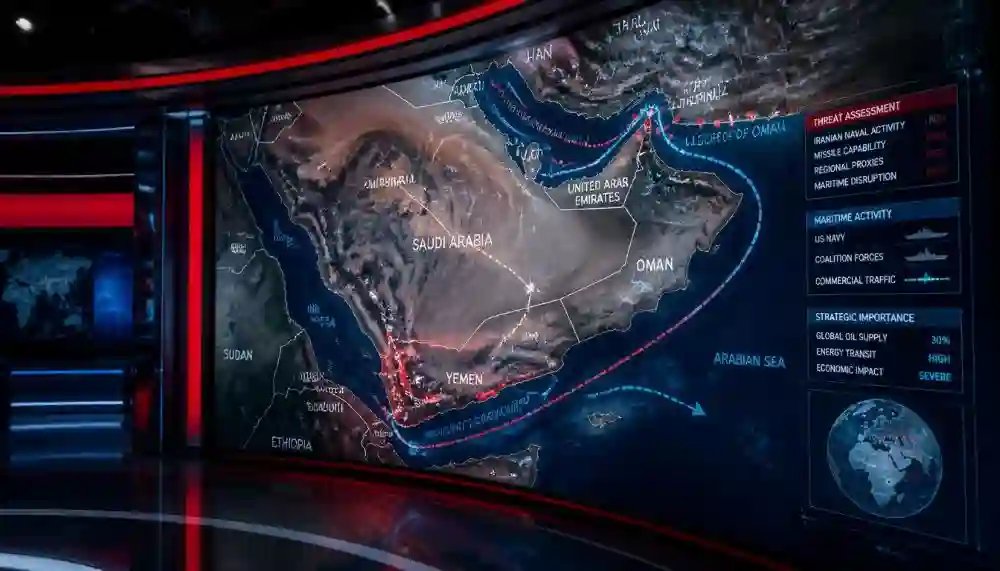
Straight up, the economic pressure on Gulf energy infrastructure is getting worse by the day. According to official charts published by the US Energy Information Administration, direct US crude imports from Saudi Arabia have flatlined near zero over recent weeks due to non-stop maritime security threats around key sea lanes in the Red Sea and Bab al-Mandeb.
Meanwhile, backchannel talks mediated by Oman are still grinding along. Major outlets like The Telegraph and Al Arabiya English report that Pakistani and Omani leaders hope a temporary Strait of Hormuz Navigation Deal can open commercial maritime transit and eventually bring main regional powers back to the direct negotiating table.
Israel Rejects Gaza Framework while Rome Talks on Lebanon Stagnate
Over in Southern Europe, diplomatic efforts are hitting solid brick walls. Israeli officials have formally told American representatives that they categorically reject the proposed 15-point Gaza peace plan, according to Israel’s Channel 14.
At the same time, NDTV World and AFP reported on private talks in Rome between Lebanese and Israeli delegates under US oversight. Israel refused to pull its forces back from southern Lebanon unless Lebanese army troops take complete operational control over designated border zones. On top of that, official figures released by UNICEF and Al Jazeera confirmed that over 300 children have died in Gaza over the past 300 days following initial ceasefire Attempts, averaging nearly one child casualty every day.
Expanding Fronts: West Bank Land Seizures, Syria Warnings, and Diplomatic Calls
To be fair, the conflict is expanding far beyond main battle lines. In the occupied West Bank, Israeli settlers accompanied by government authorities have been filmed demolishing Palestinian homes and setting up pre-fabricated container structures to establish immediate control over cleared land.
Concurrently, Israeli military officers issued public warnings regarding Turkish military deployments inside Syria, stating that the presence of Turkish naval aircraft carriers and military bases in neighboring waters represents a direct threat. In response, Turkish foreign ministers rejected the Israeli claims, pointing out that Israeli operations in Syria and Gaza are driving the entire region into instability.
On the diplomatic front, Turkish President Recep Tayyip Erdogan and Pakistani Prime Minister Shehbaz Sharif have held high-level meetings in Saudi Arabia to discuss regional security. At the same time, the White House confirmed that Donald Trump and Saudi Crown Prince Mohammed bin Salman held a phone call focused on emergency containment strategies for regional oil infrastructure.
Frequently Asked Questions (FAQ)
Why did Houthis launch attacks on Yemeni government troops?
Reports from Insider Paper and Al Arabiya English state that Houthi forces launched preemptive strikes in Hadhramawt and Marib after discovering an alleged plan for a major ground offensive by Saudi-backed Yemeni government forces.
Why is the US pulling air defenses from Erbil?
As detailed by Amwaj Media, the removal of Patriot missile systems from Erbil International Airport is part of the scheduled American military exit timeline leading up to the end of September.
What is the current status of US oil imports from Saudi Arabia?
According to official data from the US Energy Information Administration, direct US imports of Saudi Arabian crude oil have flatlined near zero due to continuous shipping blockades around the Arabian Peninsula.
Has Israel agreed to the latest Gaza ceasefire proposal?
No, Israel’s Channel 14 confirmed that Israeli government officials formally rejected the proposed 15-point Gaza peace deal presented by international mediators.
What is happening with the Strait of Hormuz Navigation Deal?
Reporting from The Telegraph and Al Arabiya English shows that backchannel negotiations mediated by Oman are progressing toward a trial agreement aimed at restoring commercial shipping and easing wider regional tensions.