- Red Sea Ship Sinking August 2026 Update: Indian Ship Sinks Off Yemen, Najran Airport Struck, and US Air Asset Retreats
- Red Sea Maritime Incident: Indian Commercial Vessel Sinks Off Yemen Coast
- Cross-Border Escalation: YAF Drone Strike Targets Najran Airport in Saudi Arabia
- US Force Realignment: Secret Air Asset Retreat from Frontline Bases
- Economic and Political Fallout: Gas Price Crisis and Aramco Supply Warning
- Anti-Ship Ballistic Missiles: Advanced Threat to US Naval Fleets
- Frequently Asked Questions
Red Sea Ship Sinking August 2026 Update: Indian Ship Sinks Off Yemen, Najran Airport Struck, and US Air Asset Retreats
Middle East news is breaking fast on 5 August 2026. Ship attacks are rising in open waters. Drone strikes hit regional airports. Gas prices are surging across Western markets. Here is a complete breakdown of the second wave of updates released today.
Red Sea Maritime Incident: Indian Commercial Vessel Sinks Off Yemen Coast
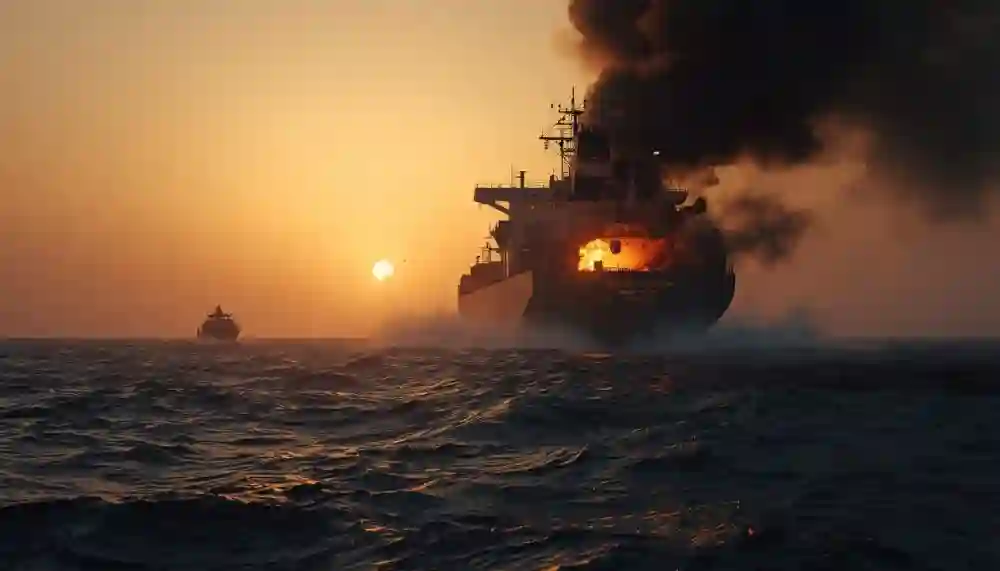
A commercial ship sank in the Red Sea today after taking a direct hit.ANI reports that the vessel was identified as an Indian cargo ship named MSV Faize Noore Oliya. The boat capsized off Yemen’s coastline.
India’s Ministry of External Affairs and Shipping Minister Sarbananda Sonowal released official statements on the event. All 13 Indian crew members and one Yemeni sailor survived. The Yemeni Coast Guard picked them up and brought them to Mokha Port. India’s embassy in Riyadh is managing local logistics with maritime teams.
Small and medium cargo ships face massive threats near the Bab al-Mandeb Strait right now. Insurance rates for non-Western vessels jumped 30 percent this week alone. Security firms report that merchant sailors face constant risks from rogue drones, unguided missiles, and floating sea mines.
Also Read: Iran War Update 5 August 2026
Cross-Border Escalation: YAF Drone Strike Targets Najran Airport in Saudi Arabia
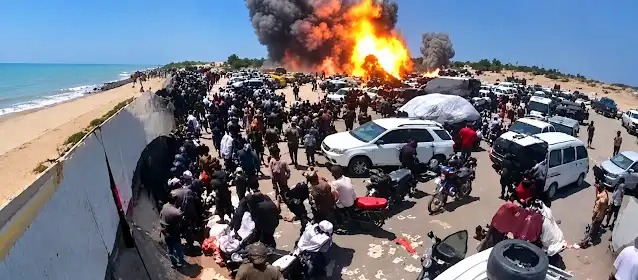
Cross-border attacks inside Saudi Arabia are picking up speed. Reporting by The Cradle shows the Yemeni Armed Forces launched a targeted drone strike at Najran Airport. The drone hit a military facility inside the airport complex.
Officials from Yemen’s military stated that the strike was intended as payback for recent drone flights over Saada and Hajjah provinces. Yemeni resistance leaders warned that any military actions near their border will face immediate responses.
Bloomberg confirmed that Saudi Arabia reached out to Omani officials to open quiet talks with Yemen. Riyadh wants to negotiate a de-escalation deal to protect its oil facilities and domestic airports.
Najran Airport acts as a major transport hub near the southern border. Flights are getting diverted to Abha and Jizan airfields. These detours create large delays and extra costs for regional travelers.
US Force Realignment: Secret Air Asset Retreat from Frontline Bases
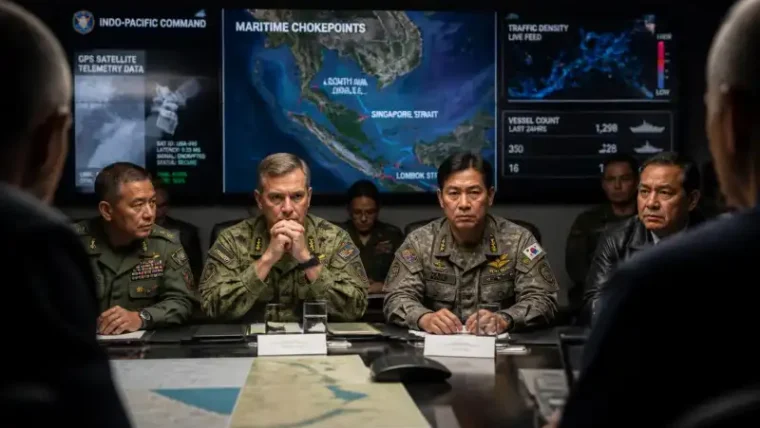
Washington is shifting its military assets across regional bases. Military intelligence reports indicate US forces started moving key aircraft away from forward posts in Iraq, Syria, and Kuwait.
This strategic retreat comes right after recent retaliatory hits on US positions in Kuwait. Moving fighter jets, radar units, and base staff further back shows US commanders are acting with caution. Military forces worldwide are experiencing pressure on their air defense missile supplies due to declining stock levels.
Pulling jets away from forward airfields slows down tactical response times. Placing aircraft back in Jordan or remote island bases like Diego Garcia keeps equipment safe. But it also limits how fast US forces can launch counter-strikes.
Economic and Political Fallout: Gas Price Crisis and Aramco Supply Warning
Long-term sea closures are creating heavy political noise in the US and volatile energy prices globally:
- Domestic Gas Price Crisis: US Senate Majority Leader Chuck Schumer criticized the current war strategy online. He noted that regular citizens are paying over $4 a gallon at pumps due to fast-rising inflation.
- Big Oil Profit Controversy: Industry analysts noted that top Western oil companies are posting massive quarterly profits while average drivers deal with rising fuel costs.
- Aramco Chief Warning: Press TV reported that Saudi Aramco CEO Amin Nasser called the Hormuz shutdown the largest oil supply shock in history. Global markets lost over 2.6 billion barrels of crude oil since the closure started.
These maritime disruptions placed major strain on supply chains across European and North American markets. Routes that require ships to bypass Africa can increase transit times by around two weeks. Container prices are hitting highs not seen since pandemic shipping delays.
Anti-Ship Ballistic Missiles: Advanced Threat to US Naval Fleets
Heavy anti-ship ballistic missile systems were deployed by Iran along the country’s southern coast. Reports from The Times of India detail that these weapons cover narrow passages across the Strait of Hormuz.
Military experts warn that high-speed ballistic missiles create major problems for US Navy warships. These missiles travel at high speeds on steep re-entry paths. Naval captains are keeping aircraft carriers far out in the open waters of the Arabian Sea to avoid coastal missile ranges.
These mobile missile launchers sit on heavy trucks backed by coastal radar setups. Narrow sea passages leave warships with limited reaction time against incoming strikes, making operations in these areas highly challenging.
Also Read: Iran War Update 4 August 2026
Frequently Asked Questions
What happened to the Indian vessel off the coast of Yemen?
Reporting from ANI confirms the Indian cargo ship MSV Faize Noore Oliya sank off Yemen after taking a hit. All 13 Indian crew members were successfully rescued.
Why did Yemen target Najran Airport in Saudi Arabia?
The Cradle reported that Yemeni forces launched a drone strike on Najran Airport to retaliate against Saudi drone flights over Yemeni territory.
How is the Strait of Hormuz closure affecting global oil supplies?
Reports from Press TV stated that Saudi Aramco’s CEO referred to the closure as the world’s largest supply shock, cutting more than 2.6 billion barrels of oil from international trade.
Where are US forces retreating their air assets?
Military reports show US forces moved strike aircraft away from bases in Kuwait, Iraq, and Syria to safer secondary bases further out of missile range.