Iran War Crisis: Flight Bans Hit Tehran, Gulf Pipeline Funds Stall, and Fuel Reserves Squeeze
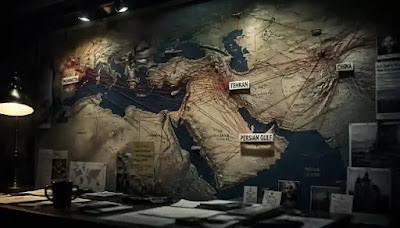
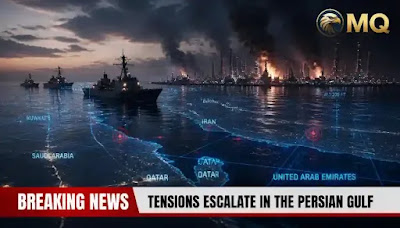
Honestly, sitting down with the latest intelligence and diplomatic cables on 22 September 2026 makes one thing very obvious: this regional firestorm is not calming down anytime soon. Look, despite endless diplomatic chatter in Western capitals claiming Tehran is cornered, commanders on the ground are making it plain that they are preparing for a long, grinding contest. Between new airspace blockades, damaged fuel installations, and bitter disagreements over billions in reconstruction money, this Iran war crisis is tightening its grip over global energy lanes. When international borders freeze commercial traffic and consumer fuel queues stretch through major cities, ordinary households end up carrying the heaviest weight.
Regional Aviation Bans, Secret Trade Pacts, and Drone Interceptions
Straight up, diplomatic and economic barriers went up around Tehran at lightning speed over the past twenty-four hours:
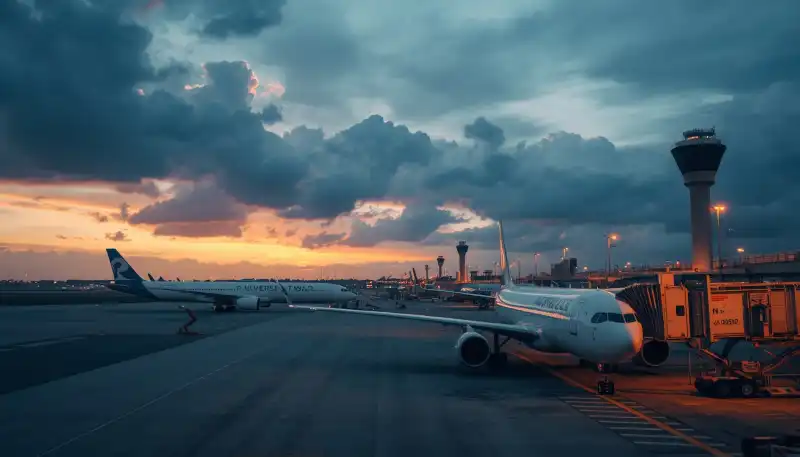
Turkish Airlines officially cancelled scheduled services across Iranian hubs until 2027 following updated regional risk warnings (Türkiye Today).
Iraqi aviation sources confirmed Baghdad will suspend landing rights and terminal refuelling support for designated commercial carriers facing international restrictions (Baghdad News Desk).
Military logs confirmed an additional MQ-series reconnaissance drone was brought down after crossing over southern airspace boundaries (Regional Security Wire).
Investigative reports showed Moscow and Tehran advancing alternate currency corridors to move freight outside Western clearing networks (Firstpost).
UN delegates arrived in New York under tightened entry terms, with several senior staff members refused processing clearances (Anadolu Agency).
Media analysis in Tel Aviv emphasised locking bilateral security pacts deeply into foreign institutions to protect against potential future policy reversals (Israel Hayom).
These logistical interruptions connect straight back to our ongoing reporting on the Yemen war escalation, where maritime route restrictions forced major cargo convoys to reroute thousands of miles away.
Emergency Fuel Calls, Strait Navigation, and Coastal Casualties
To be fair, the real cost of this standoff is being felt directly across coastal fishing communities and everyday supply lines:
French President Emmanuel Macron appealed to partner nations to release emergency strategic petroleum stocks to tame runaway market spikes (Oilprice).
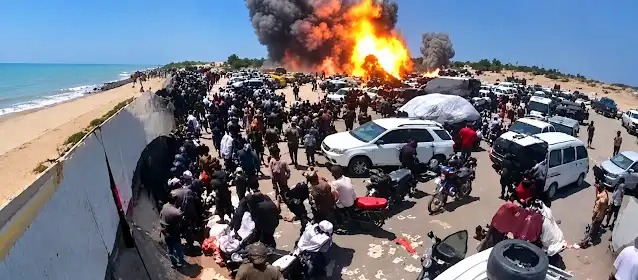
Port officials in Hormozgan confirmed that maritime patrol encounters damaged roughly seven hundred and sixty local boats while killing twelve civilian crew members (Press TV).
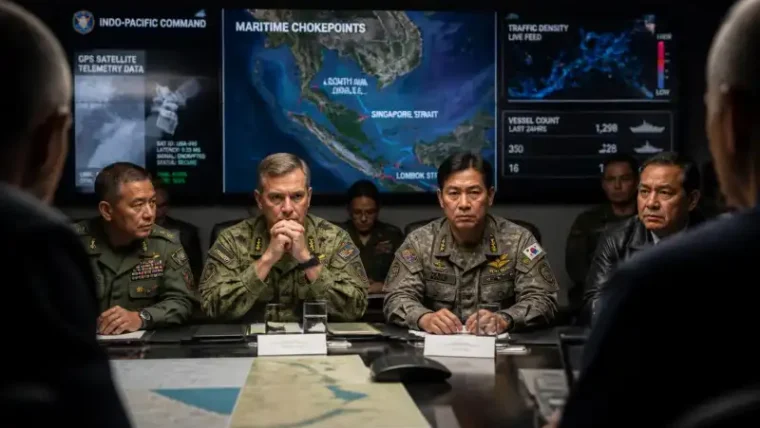
Pakistani maritime authorities confirmed that essential liquefied gas carriers secured safe transit clearance after direct bilateral backchannel talks (The Cradle).
Declassified accounts revealed how initial strikes against naval positions in Bahrain caught military households completely off guard during early engagements (CBS News).
Tehran authorities dismissed social media panic over illuminated evening objects by clarifying the sightings were consumer kites fitted with display lights (National Dispatches).
Local transit administrators deployed emergency medical training units inside underground transport hubs to prepare commuters for ongoing urban emergencies (Municipal Briefings).
These severe shipping choke points follow our earlier analysis of the Red Sea standoff, which detailed how sudden infrastructure hits cut regional crude extractions without notice.
Stalled Rebuilding Plans, Gulf Apprehensions, and Regional Protests
Away from coastal waters, political tensions across Gulf capitals are showing sharp fractures over future funding:
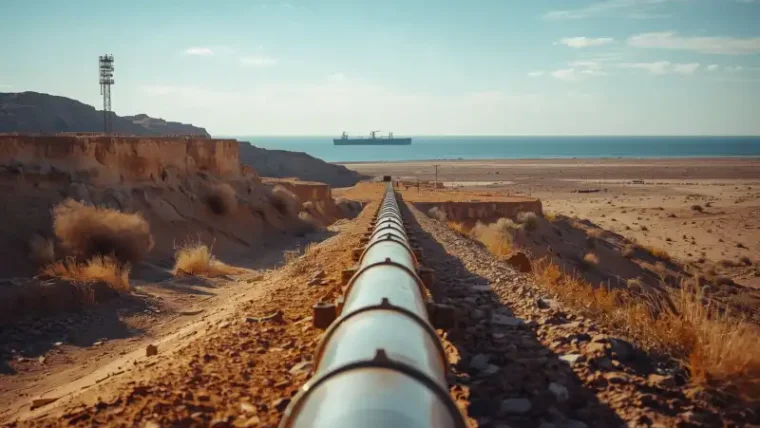
Washington proposed an initial five-billion-dollar joint pool to repair shattered coastal pipelines and energy platforms across allied territory (Middle East Business).
Regional ministers largely turned down early repair contributions, pointing out that spending money makes little sense while incoming missile risks remain unresolved.
Qatari diplomatic representatives insisted in broadcast interviews that border strikes and hospital impacts cross dangerous regional thresholds (Doha Media Service).
Jordan, Egypt, and neighbouring foreign ministries issued harsh joint statements condemning political incursions into holy compounds in Jerusalem (Anadolu Agency).
Market analysts reiterated that extended commercial detours around southern Africa continue pushing consumer freight rates toward record territory (Reuters).
Independent trade monitors warned that shutting off aviation hubs could cut off regular cross-border family travel and educational visits across the region.
Readers following the larger picture can also refer to our earlier report on the Middle East crisis, which tracked Tehran’s initial security warnings and G7 emergency meetings.
Frequently Asked Questions
Why did commercial airlines suspend services to Iran?
Carriers like Turkish Airlines halted scheduled operations following heightened airspace advisories and updated financial sanction regulations (Türkiye Today).
Why are European leaders asking to release emergency fuel reserves?
President Macron called for tapping strategic reserves because persistent supply bottlenecks and refinery damage pushed consumer energy costs to dangerous levels (Oilprice).
How did Pakistan secure gas cargo clearance through the Strait?
Islamabad held direct backchannel discussions with regional authorities, allowing Qatari LNG vessels to pass safely through narrow coastal lanes (The Cradle).
What caused the proposal for a five-billion-dollar repair fund to stall?
Regional governments refused to commit funds to reconstruct energy pipelines while cross-border fire and combat operations remain ongoing (Middle East Business).
What were the civilian casualties reported along the southern coastline?
Hormozgan officials documented twelve deaths among local fishermen and damage to hundreds of small vessels during recent naval operations (Press TV).