Global Energy Fallout: Hormuz Bottlenecks, G7 Crisis Talks, and Iran’s Mass Mobilisation
Following reports that France has officially called for an emergency G7 energy summit, waking up to the news on 19 September 2026 felt like watching a slow-motion car crash across global supply chains. Between blocked shipping lanes, skyrocketing defense bills, and massive street mobilisations, the entire landscape has shifted dramatically overnight. Look, when everyday fuel stations start running dry and top world leaders call for a G7 energy summit, it is clear this situation is hitting straight at the doorstep of ordinary working people.
Nationwide Street Mobilisation Inside Iran
Straight up, the atmosphere across Iranian cities took a completely unexpected turn following coordinated civilian assemblies:
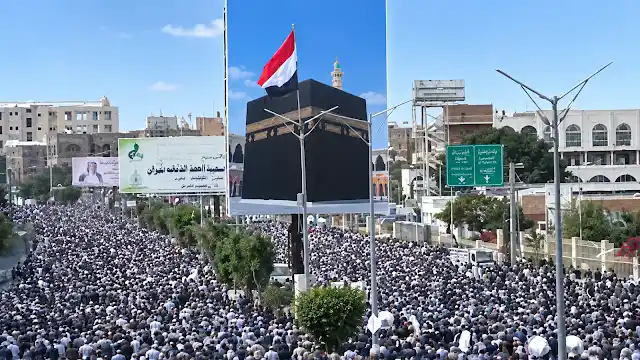
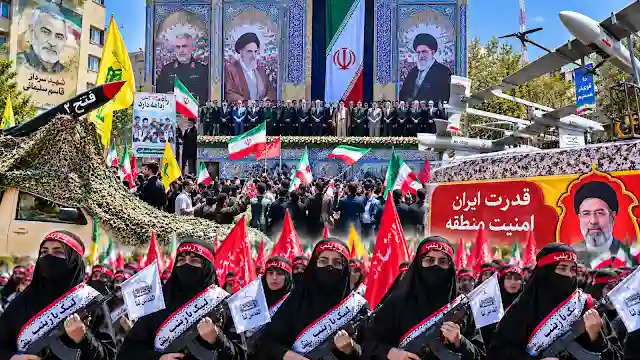
Millions of everyday citizens, armed civilian groups, and regular security units poured onto the streets across major cities following a nationwide mobilisation call (Press TV).
Prominent civilian groups carried symbolic banners and protective equipment, openly showing solidarity against foreign military pressure (Press TV).
Regional reports indicated that over 600,000 volunteers have officially registered with local defence centres to receive tactical training (Press TV).
Iranian President Masoud Pezeshkian and senior field commanders appeared in person directly among the crowds along urban avenues to deliver public addresses (IRIB News).
Revolutionary Guard intelligence units announced a security sweep in southeastern Zahedan, confirming they neutralized two suspected operatives (Press TV).
Shipping Disruptions, Fuel Rations, and Emergency Talks
At the same time, maritime corridors tightened sharply, sparking immediate panic across international energy desks:
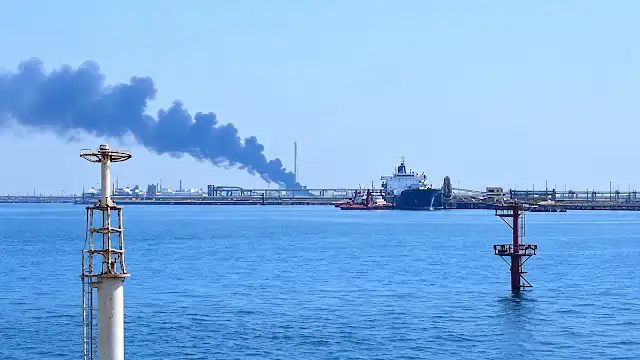
United States Central Command stated that maritime blockades along the Strait of Hormuz have now redirected 105 commercial vessels, leaving over 30 million barrels of crude oil bottled up (CBS News).
French President Emmanuel Macron announced that France will convene an emergency G7 energy meeting to coordinate strategic crude reserves as fuel prices surge (CBS News, France 24).
Jet fuel spikes forced American Airlines leadership to caution that sustained wholesale costs will soon require direct cuts to daily flight routes (MIGFlug).
Retail fuel forecourts in Texas and Florida reported localized diesel outages as wholesale deliveries faced temporary delays (Social Media Dispatches).
Pakistan brought back strict national austerity measures, ordering local markets to shut down by 9:00 PM and restricting state banquets to conserve fuel (The Indian Express).
Ballooning War Debts and Defense Reallocations
Behind the scenes, the sheer financial cost of prolonged operations is beginning to rattle defense budgets:
U.S. Central Command confirmed that operational costs tied to the regional campaign have surpassed $43.6 billion, with $28 billion required simply to replace expended munitions (The Washington Post).
Depleted domestic inventories prompted American officials to warn overseas allies about prolonged delivery delays for contracted precision missiles (Bloomberg India).
Independent defense reporting raised serious questions regarding public transparency around regional military casualty records (The Washington Post).
Southern Syrian frontier posts near Beit Jinn registered military vehicle movements and localized artillery fire (Anadolu Agency).
Tel Aviv requested additional advanced weaponry packages from Washington to counterbalance potential third-party jet deals in the Gulf (The Jerusalem Post).
Diplomatic representatives raised alarms regarding unilateral space weapon programmes accelerating an orbital arms race (Press TV).
Humanitarian Realities and Institutional Double Standards
To be fair, the stark contrast in international reactions has triggered fierce debate across independent media:
Heartbreaking footage of Palestinian schoolchildren picking their way through concrete rubble across Gaza laid bare the ongoing civilian ordeal (Ground News Feeds).
Controversy deepened after Washington withdrew from the United Nations Human Rights Council following investigations into airstrikes on school sites (Press TV).
Human rights commentators pointed out glaring double standards, asking why Western institutions stayed quiet during massive civilian tragedies yet rushed to convene emergency G7 talks the moment international oil taps closed (Al Jazeera).
Frequently Asked Questions
Why are commercial vessels being diverted around Hormuz?
United States Central Command confirmed that over 105 vessels were rerouted due to heightened operational inspections, leaving tens of millions of barrels stuck at sea (CBS News).
Why did France call an emergency G7 summit?
President Emmanuel Macron announced the summit to prevent crude market shocks and review the release of strategic oil stockpiles (France 24).
How high has the official defense spending reached?
Central Command records place ongoing military and munition replacement expenses above $43.6 billion (The Washington Post).
What austerity rules did Pakistan introduce?
Pakistan mandated a 9:00 PM market curfew, reduced official vehicle allowances, and banned buffet banquets to preserve diesel stocks (The Indian Express).
Are airlines cutting passenger routes?
American Airlines warned that unmanageable jet fuel prices will force operational schedule cuts across several domestic corridors (MIGFlug).
Why did Israel request more defense equipment?
Following reports of advanced jet clearances for regional partners, Israeli defense planners requested top-tier defensive packages to protect operational balance (The Jerusalem Post).