- Red Alert in Middle East crisis: Iran Vows ‘Crushing Response’ to US and Warm Allies of Attacks
- Confidential Warnings and Tehran’s Painful Ultimatums
- Ballooning Casualties, Faulty AI data, and Midterm Pressures
- Maritime Chokepoints, Houthi Retaliation, and Oil Alerts
- Humanitarian Distress and Unraveling Diplomacy
Red Alert in Middle East crisis: Iran Vows ‘Crushing Response’ to US and Warm Allies of Attacks
Honestly, waking up to the news on 22 September 2026 felt like watching a slow-motion unraveling across global security corridors. Look, between confidential intelligence warnings, direct military threats from Tehran to surrounding Arab capitals, and quiet naval deployment counts, the Middle East is facing its most dangerous moment yet. When major powers drop the diplomatic talk and openly issue ‘painful’ ultimatums, it is clear this confrontation is no longer contained to headlines.
Confidential Warnings and Tehran’s Painful Ultimatums
Straight up, the security situation inside regional capital cities has hit a dangerous breaking point following confirmed intelligence reports:
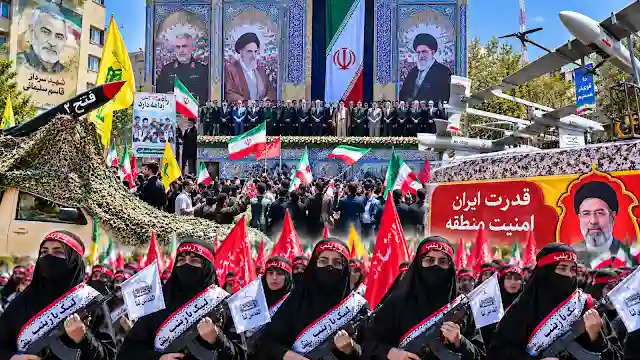
Iran officially confirmed their intelligence sources detected imminent United States military maneuvers, prompting an immediate defensive high-alert across national borders (Independent Dispatches).
Supreme leadership advisors issued a direct public warning, vowing a direct, crushing response to any perceived American error in judgment (Press TV).
Tehran formally cautioned surrounding Arab capitals against allowing United States forces or regional allies to utilise local airbases or naval facilities for operations against Iranian territory (State Media Alerts).
Iranian security officials stated that any state assisting Washington during hostilities will be treated as a hostile entity, with response measures mirroring those reserved for primary adversaries (Fars News).
Defence representatives clarified that in the event of an attack, Iranian forces possess the capabilities to target and neutralise United States infrastructure and industrial facilities throughout the entire regional footprint (Regional Reports).
Ballooning Casualties, Faulty AI data, and Midterm Pressures
Behind the scenes, the true financial and human cost of prolonged engagements is causing serious strain on public confidence:
Confirmed field reporting has directly contradicted public statements from Pentagon leadership regarding military casualty figures within operational zones (The Washington Post).
Top Pentagon advisors continued to label casualty counts appearing across independent media outlets as fabricated information during public briefings (Independent Dispatches).
Western lawmakers drew sharp criticism at home after demanding heavier regional intervention while domestic energy costs soared right before upcoming midterm elections (The Washington Post).
A recent internal audit linked accidental airstrikes on regional civilian infrastructure, including educational facilities, directly to flawed artificial intelligence data and stale reconnaissance images (Bloomberg India).
United States naval commands confirmed automated systems and drone platforms narrowly avoided initiating hostilities against a commercial third-party vessel following false automated intelligence reports (CNN).
Maritime Chokepoints, Houthi Retaliation, and Oil Alerts
At the same time, conflicting statements over energy corridors and maritime trade have left international supply chains completely rattled:
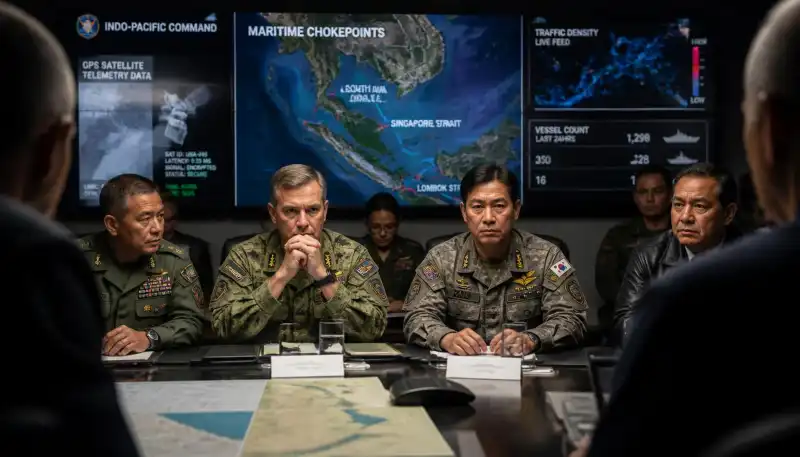
Houthi leadership expanded their naval blockade to include specific regional tankers moving through the southern Bab-el-Mandeb chokepoint, vowing to extract financial parity for maritime disruptions (Al Jazeera).
Western intermediaries confirmed quiet diplomatic understandings aimed at keeping major international naval vessels outside the direct line of Houthi and Iranian coastal defence zones (Press TV).
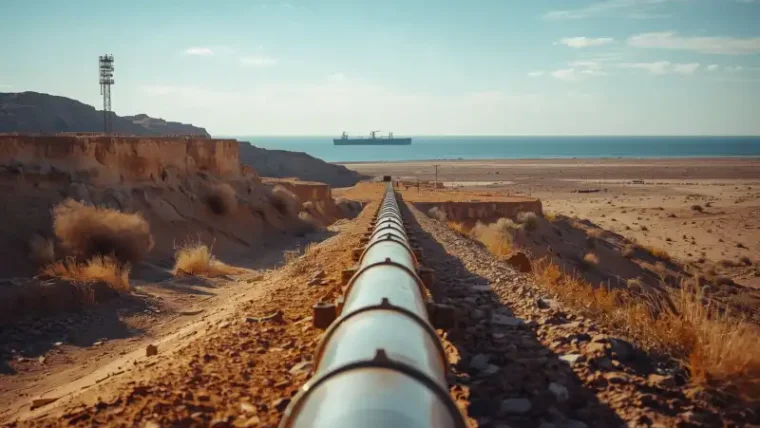
French President Emmanuel Macron confirmed that while the Strait of Hormuz remains severely restricted, a fresh attack sabotaging Saudi Arabia’s East-West pipeline has severed Europe’s primary emergency bypass corridor (France 24, CBS News).
Supply bottlenecks ahead of the winter heating season have triggered localized industrial fuel rationing across major European economies (Energy Reports).
United States citizens received specific security warnings regarding Yanbu and Taif following heightened aerial incursions targeting regional infrastructure hubs (State Department Dispatches).
Conflicting claims from Tehran and CENTCOM regarding oil exports through Hormuz have left global commodity desks facing prolonged uncertainty over realistic supply volumes (Al Jazeera).
Humanitarian Distress and Unraveling Diplomacy
The humanitarian toll and inconsistent international reactions continue to spark intense domestic debate:
Approximately 700 Palestinian residents across the West Bank faced severe drinking water shortages after settlement groups severed primary municipal lines near Hebron (Al Jazeera).
Criticism grew in Western capitals over double standards, with human rights commentators asking why G7 capitals remain silent during civilian infrastructure targeting but unite immediately whenever commercial pipelines are at risk (Al Jazeera).
Frequently Asked Questions
What is Tehran’s response to the new United States deployments?
Iranian leadership officially confirmed that their intelligence detects American maneuvering, and they have vowed a ‘painful’ and ‘crushing’ military response to any strike (Independent Reports).
Why did Iran issue a warning to surrounding Arab countries?
Tehran formally warned neighboring states not to allow United States forces to use local bases for attacks, stating that any assisting nation would be treated as a hostile adversary (State Alerts).
Is the United States army suffering casualties in the region?
Internal military documents and independent press reporting directly contradict official Pentagon statements that label casualty figures from independent media as false (The Washington Post).
Why is the East-West pipeline damage critical for Europe?
With the Strait of Hormuz already restricted, sabotage of the Saudi East-West pipeline has cut Europe’s main bypass corridor for crude right before winter (France 24).
How are maritime trade blockades affecting oil markets?
Conflicting accounts over Hormuz and active blockades around Bab-el-Mandeb by Houthi units have strangled trade, keeping global transport costs and insurance high (Al Jazeera).
Is flawed military technology increasing war risks?
A Pentagon internal audit confirmed that outdated images and faulty AI data led to regional civilian casualties, while naval systems narrowly avoided firing on a commercial vessel due to false automated intelligence (Bloomberg, CNN).