Iran War Crisis: NATO Base Flight Revelations, UN Hormuz Demands, and US Fuel Export Controls
Going through fresh diplomatic cables on 24 September 2026 makes one reality clear across global capitals. As delegations gather in New York for the United Nations General Assembly, major arguments over military airspace, waterway access rules, and fuel export curbs have taken centre stage. Between official disclosures of extensive aircraft operations across European bases, tighter banking controls in the Gulf, and rising crude prices, this Iran war crisis continues to test international markets. When strategic deployments expand, and vital sea passages face prolonged standoffs, everyday households inevitably face steeper transport and energy bills.
NATO Logistics Disclosures, UN Speeches, and Regional Diplomacy
Diplomatic talks accelerated quickly after defense chiefs and foreign ministers went on the record:
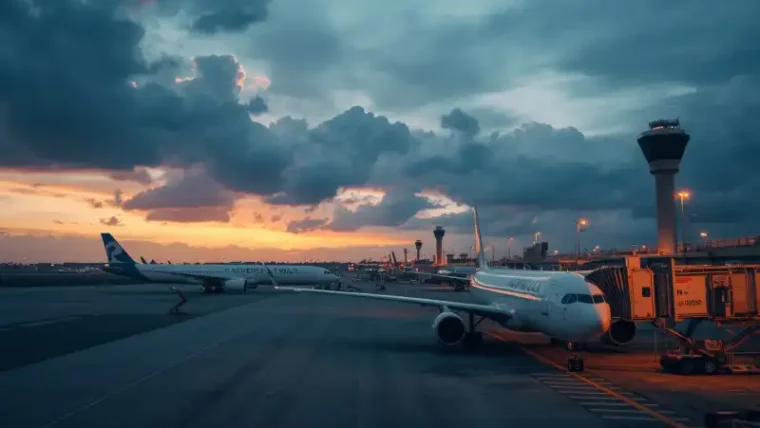
NATO Secretary General Mark Rutte acknowledged that roughly 5,000 military flights used European facilities as launch and support platforms during operations (The Wall Street Journal).
Iranian defense officials pointed to these massive staging figures while issuing state media statements regarding air combat engagements over contested corridors (State Media Wire).
Iranian Foreign Minister Abbas Araghchi met EU foreign policy chief Kaja Kallas, delivering sharp warnings over European logistical facilities supporting regional military strikes (Reuters).
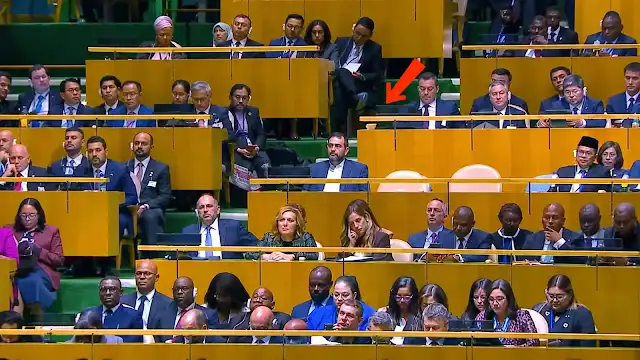
Iranian President Masoud Pezeshkian delivered an address at the United Nations General Assembly, criticising international sanctions and defending sovereign defense programmes (Associated Press).
Swiss diplomatic channels formally accepted Iranian dossiers documenting local infrastructure damage caused by regional aerial campaigns (Agence France-Presse).
Direct discussions between European and Iranian delegations in New York focused on navigational protocols along southern maritime routes (Deutsche Welle).
Regional representatives held sideline discussions with Iraqi envoys to review border transport security and fuel distribution networks (Al Jazeera).
This sudden wave of diplomatic positioning connects closely with our earlier analysis of the Strait of Hormuz crisis, where maritime transit disagreements exposed deep divisions during closed-door sessions.
Hormuz Demands, Gulf Financial Measures, and Aviation Notices
Away from the assembly chambers, financial institutions and transport authorities implemented strict regulatory adjustments:
Tehran outlined framework requirements via Qatari mediators proposing maritime transit arrangements in exchange for economic sanctions relief (The Jerusalem Post).
Washington formally dismissed the proposed maritime arrangement, maintaining that international passage through the waterway cannot depend on unilateral terms (The Times of Israel).
Financial regulators in the United Arab Emirates halted local operations of Iran’s Bank Melli, citing regulatory compliance rules (Reuters).
Regional aviation authorities examined flight security rules after Iranian officials cautioned neighboring transit hubs regarding compliance with flight bans (The Cradle).
Commercial cargo carriers confirmed additional navigation protocols near the Gulf of Oman following recent maritime drone encounters (Lloyd’s List).
Border security units along eastern frontier sectors reported skirmishes involving regional security forces and armed local factions (Tehran Times).
These complex frontline interactions mirror developments highlighted in our field report on the Saudi-Yemen war, where energy lines and transit corridors faced operational strain before repair work began.
US Diesel Reserve Discussions, Carrier Health Reports, and Energy Pressures
Outside confrontation zones, domestic economic adjustments and military resource reviews emerged across Western capitals:
White House officials began reviewing potential measures including a temporary 90-day diesel export pause to manage domestic fuel price pressure (Bloomberg).
Energy market monitors reported international crude futures trading near the 100-dollar threshold following transport uncertainties (Reuters).
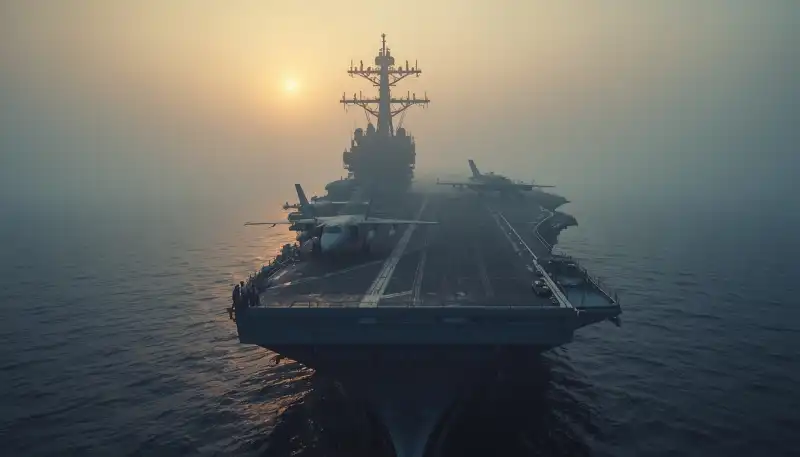
The US Navy confirmed that eight crew members assigned to the USS Abraham Lincoln carrier strike group required emergency care following suicide attempts (CNN).
Military authorities identified an Army logistics officer who passed away from medical complications during transit toward Middle Eastern installations (CBS News).
Maritime insurance syndicates maintained heightened war-risk surcharges for commercial bulk carriers entering northern Arabian waters (TradeWinds).
Fuel distributors in Europe initiated fuel allocation strategies to protect core reserves ahead of winter heating demands (The Connexion).
Readers examining wider strategic developments can also check our background analysis of the Ukraine-Russia war, which tracked how regional energy networks and global tariffs impact international market stability.
Frequently Asked Questions
What did NATO leadership state regarding European military flights?
NATO officials confirmed that European bases supported roughly 5,000 aircraft movements during regional military operations (The Wall Street Journal).
What conditions did Tehran propose regarding the Strait of Hormuz?
Tehran communicated proposals through Qatari mediators seeking sanctions relief and asset access in connection with maritime transit terms (The Jerusalem Post).
Why did UAE regulators act against Bank Melli?
The UAE Central Bank suspended operations of Bank Melli branches, citing regulatory breaches and financial compliance frameworks (Reuters).
What energy measures is Washington considering for diesel exports?
Administration officials discussed a proposed 90-day pause on diesel shipments abroad to stabilize domestic consumer fuel costs (Bloomberg).
What health updates emerged regarding USS Abraham Lincoln personnel?
Navy leadership confirmed that eight sailors assigned to the aircraft carrier strike group were treated following suicide attempts (CNN).