Strait of Hormuz Crisis: UN Standoff, Reverse-Engineered Drones, and Aviation Curbs
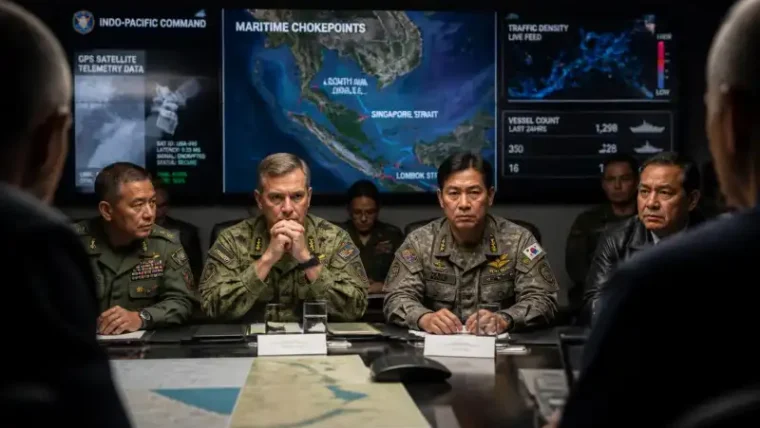
Honestly, reviewing the intelligence reports on 23 September 2026 makes one thing painfully clear: the battle lines in the Gulf are hardening fast. Look, while diplomats exchange sharp warnings on the floor of the United Nations General Assembly in New York, ground forces across the Persian Gulf are preparing for prolonged disruption. Between three-hour closed-door sessions, commercial maritime corridors are grinding to a trickle, and heavy flight bans stretching across regional airports, this Strait of Hormuz crisis is reshaping global trade by the hour. When international transit chokepoints close and consumer fuel pumps begin running dry, the fallout ripples straight into ordinary households worldwide.
United Nations High Drama and Three Demands on the Table
Straight up, diplomatic talks in New York turned into an intense standoff rather than an easy breakthrough:
American and Iranian negotiating teams held a three-hour direct session in New York, where Tehran formally presented its conditions for reopening commercial tanker traffic (India Today).
Tehran’s delegates demanded an end to all unilateral naval blockades, the immediate release of frozen overseas funds, and a complete regional stand-down of foreign combat forces.
Semi-official dispatches in Tehran immediately rejected Western media claims that maritime transit lanes would reopen within seven days under partial military concessions (Al Jazeera).
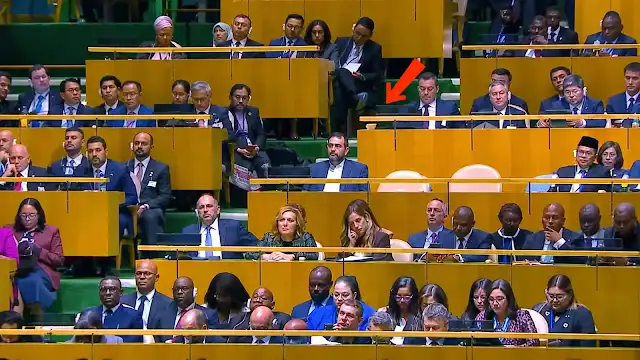
Washington leadership delivered a blunt speech to the general assembly warning of total military destruction if maritime provocations continue (The Washington Post).
Gulf Cooperation Council diplomats pushed back during private meetings, urging Washington to avoid open-ended strikes that could shatter regional energy networks (New York Post).
Congressional candidates within the United States began publicly calling for an immediate diplomatic settlement, pointing out that prolonged foreign campaigns risk domestic energy prices (Reuters).
This severe maritime showdown ties straight back into our ongoing coverage of the Iran war crisis, where airspace closures and strategic reserve drawdowns triggered widespread emergency warnings.
Seized Cargo Auctions, Reverse-Engineered Tech, and Warship Warnings
To be fair, military posturing on the water is escalating well past verbal threats:
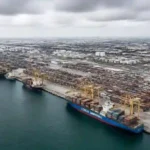
Judicial authorities in Tehran announced that seized commercial ships and confiscated container cargo will be put up for open auction (Al Jazeera).
State media confirmed that technical teams have begun reverse-engineering an American unmanned underwater drone vehicle captured during recent coastal patrol runs (Press TV).
Military commanders announced that land-based ballistic batteries have been calibrated to target hostile naval warships attempting to force transit lines (Fars News Agency).
German defense leaders expressed open alarm during European security discussions, describing regional defensive systems as surprisingly formidable (Afghan Voice Agency).
Maritime tracking logs confirmed commercial passage through the strait dropped sharply after two additional cargo vessels sustained strikes along the coastal approaches (The Times of Israel).
Regional maritime authorities instituted a twenty-percent surcharge against unverified commercial vessels seeking naval navigation clearance (NDTV World).
These maritime shocks link directly to our earlier analysis of the Yemen war escalation, which examined how coastal artillery strikes pushed major shipping companies to abandon normal sea lanes entirely.
Aviation Route Shutdowns, Chinese Objections, and European Fuel Queues
Beyond the coastal waters, international transport networks and domestic consumer markets are feeling an immediate pinch:
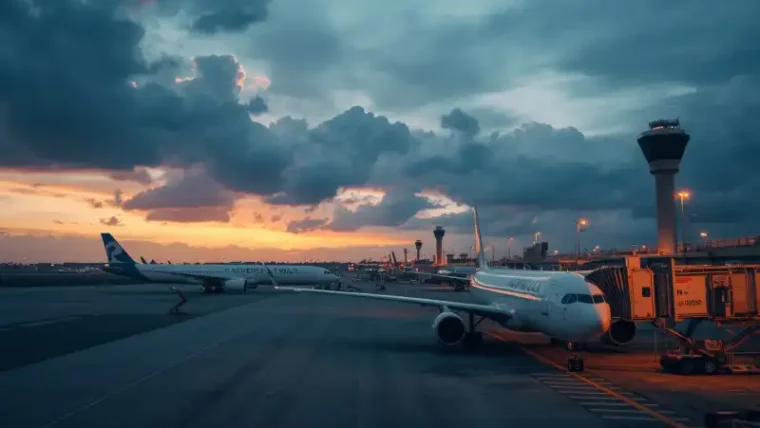
Major regional airports in Baghdad and Muscat suspended receiving scheduled flights, forcing passenger routes to divert to regional hubs like Najaf (Al Jazeera).
The Chinese foreign ministry registered an official protest against unilateral commercial aviation sanctions, calling the airspace curbs counterproductive (CBS News).
Transport correspondents reported that up to fourteen percent of filling stations across France suffered fuel outages as summer fuel distribution rules were hurriedly extended (The Connexion).
Iraqi leadership stated that transport blockades have frozen critical petroleum exports, causing billions of dollars in lost state revenues (Al Jazeera).
Aviation monitors noted that commercial airliners flying between Europe and South Asia are incurring massive fuel expenses by flying extended northern detours (The Wall Street Journal).
Regional historical intelligence reviews re-emerged regarding earlier diplomatic channels between Gulf leaders and overseas partners (The Times of Israel).
Readers tracking the broader economic picture can also read our detailed investigation into the Red Sea standoff, where unexpected output plunges left overseas refineries scrambling for backup supplies.
Frequently Asked Questions
What were the core conditions presented during the United Nations meeting? Delegates insisted on lifting naval blockades, unfreezing overseas bank accounts, and withdrawing foreign military assets from regional combat zones (India Today).
Why is maritime transit traffic through the Strait of Hormuz falling? Commercial passage dropped because insurance underwriters cancelled coverage after two additional transport ships were attacked in transit (The Times of Israel).
What is happening with the captured American underwater drone? Military engineers confirmed they have begun reverse-engineering the unmanned naval device to analyse its internal guidance systems (Press TV).
How are Western European transport markets reacting to the fuel crunch? French fuel stations reported notable local diesel shortages, forcing authorities to extend seasonal fuel usage regulations (The Connexion).
Why did China object to newly announced flight bans? Beijing formally stated that unilateral airspace sanctions on commercial airlines violate international norms and disrupt civil travel routes (CBS News).