- Ukraine Russia War: UN Energy Truce Talks, Dnipro Missile Barrages, and Winter Defense Standoff
- New York Diplomacy, Refinery Ceasefire Offers, and Patriot Production Deals
- Dnipro Industrial Strikes, Remote Air Defenses, and Border Casualty Tolls
- Winter Grid Squeezes, Global Energy Tariffs, and Maritime Retaliation
- Frequently Asked Questions
Ukraine Russia War: UN Energy Truce Talks, Dnipro Missile Barrages, and Winter Defense Standoff
Checking through late dispatches on 24 September 2026 makes one thing clear across Eastern Europe. While national delegates debate mutual armistice drafts during the United Nations General Assembly in New York, heavy industrial impacts continue shaking key regions like Dnipro. Between high-stakes bilateral meetings in Manhattan, debates regarding European financing lines, and backchannel bargaining over power networks, this ukraine russia war continues directing international trade patterns day after day. When civic infrastructure sustains hits and winter cold approaches, working households across regional towns face heavy daily pressures.
New York Diplomacy, Refinery Ceasefire Offers, and Patriot Production Deals
Diplomatic conversations moved ahead quickly across United Nations halls as officials searched for workable agreements before freezing weather sets in:
Ukrainian President Volodymyr Zelensky met directly with Donald Trump in New York to propose an immediate freeze on strikes aimed at energy facilities (Kyiv Independent).
Visiting officials suggested pausing long-range hits against fuel processing installations provided power distribution plants and municipal water utilities remain off strike lists (Reuters).
Technical advisers in Washington confirmed that exploratory talks considered licensing arrangements allowing European engineering plants to assemble Patriot interceptor hardware locally (The New Voice of Ukraine).
Trump addressed delegates to point out ongoing dialogue channels, noting that both leadership teams want solutions before seasonal conditions limit movement (The Times of India).
Trade analysts noted that recurring damage across regional diesel refining towers keeps global transport fuel rates unstable (Bloomberg).
European Union regulators weighed new commercial provisions while revisiting past economic penalties imposed on specific cross-border trading entities (Financial Times).
This delicate diplomatic engagement ties directly to our ongoing analysis of the Strait of Hormuz crisis, where closed-door United Nations sessions exposed major disagreements over transport access and frozen overseas funds.
Dnipro Industrial Strikes, Remote Air Defenses, and Border Casualty Tolls
Away from the assembly rooms, intense long-range strikes and active frontier confrontations keep pressure running high:
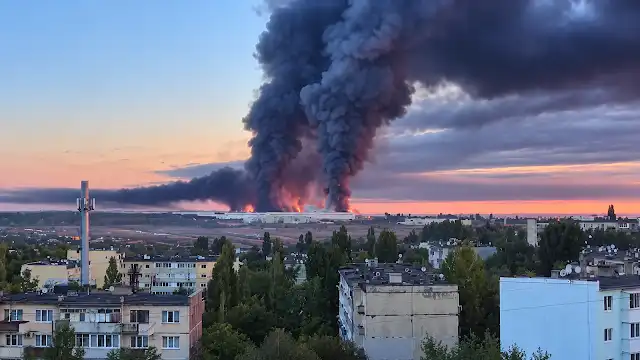
Rocket forces launched nighttime operations against industrial production facilities across Dnipro, Kryvyi Rih, and Pavlohrad (The New Voice of Ukraine).
Municipal crews in Dnipropetrovsk Oblast worked through debris after overnight strikes damaged local residential buildings and left multiple people injured (Pravda Ukraine).
Technical briefings showcased automated defensive units operated by technicians working through remote displays inside protective shelters (Associated Press).
Officials in Moscow stated publicly that foreign defense budgets will not shift the pace of field activity along active fronts (TASS Dispatches).
Foreign Minister Sergey Lavrov argued that foreign news desks regularly mischaracterize downed drone wreckage discovered near frontier borders (Anadolu Agency).
Baltic representatives warned the assembly hall that prolonged static confrontations have taken a massive toll on personnel on both sides (Baltic News Service).
Similar operational disruption was documented during the Saudi-Yemen war, with attacks affecting transport links and storage facilities before repair work resumed.
Winter Grid Squeezes, Global Energy Tariffs, and Maritime Retaliation
Outside the immediate confrontation zones, global trade flows and domestic winter heating considerations are steadily converging:
European foreign ministers cautioned the UN Security Council that severe cold weather could become a pressure lever against municipal power systems (Anadolu Agency).
Market observers tracked proposed regulatory plans from Washington aimed at imposing tariff duties against entities receiving eastern crude shipments (The Wall Street Journal).
Commercial maritime watchdogs logged renewed drone activity monitoring commercial transport vessels across adjacent sea lanes (Lloyd’s List).
British and French technical teams arranged shipments of repair components to keep civilian heating systems functional throughout the freezing months (BBC News).
Maritime transport providers confirmed that cargo coverage costs will remain elevated so long as fuel processing plants remain active targets (Reuters).
Energy economists warned that unexpected outages across regional heating distribution plants could cause major price jumps for consumers (Oilprice).
Readers following wider geopolitical developments can also consult our field review of the Iran war crisis, which tracked how commercial air traffic restrictions and emergency fuel allocations influenced global transport routes.
Frequently Asked Questions
What did President Zelensky propose regarding an energy ceasefire?
Kyiv offered to pause operations against Russian fuel refineries if Moscow stops striking Ukraine’s power, heating, and water installations (Kyiv Independent).
What was discussed during the Trump-Zelensky meeting in New York?
The leaders discussed an energy infrastructure pause, winter logistics, and licensing to assemble Patriot air defense interceptors locally (The New Voice of Ukraine).
Which cities were hit in the latest long-range strikes?
Heavy strikes impacted industrial facilities and municipal structures across Dnipro, Kryvyi Rih, and Pavlohrad (Pravda Ukraine).
Why are diesel prices connected to regional refinery hits?
Analysts noted that damage to primary distillation plants cuts overall production capacity, tightening global refined fuel supplies (Bloomberg).
What warning did European ministers deliver at the UN Security Council?
Representatives from France, the UK, and Denmark highlighted that disabling civil heating networks before winter creates major humanitarian challenges (Anadolu Agency).