Saudi Yemen War: East-West Pipeline Restarts, Paris Pledges Defense, and G7 Urges De-escalation
Going through the regional cables on 23 September 2026 makes one reality instantly visible across the Arabian Peninsula. While diplomatic officials in Europe arrange fresh defense partnerships, artillery exchanges and coastal strikes continue along southern borders. Between oil pipelines getting restarted, overseas security assurances, and deadly strikes on holding facilities, this Saudi-Yemen war is testing local stability at every hour. When cross-border bombardments strike holding centres and fuel conduits become frontline targets, civilian families in regional towns carry the hardest burdens.
Pipeline Flow Restored, French Pledges, and G7 Inquiries
Diplomatic and financial choices moved remarkably fast across international capitals over the past day:
Regional pipeline teams finished repairs and resumed pumping crude oil through the primary East-West transit corridor heading straight to Yanbu port (Reuters).
Commodity analysts noted that restarting oil flow along the East-West network helped settle international petroleum rates after sharp weekly jumps (Reuters).
Diplomats in Paris confirmed France stands ready to help defend key energy sites and processing facilities against incoming missile or drone hazards (Al Arabiya English).
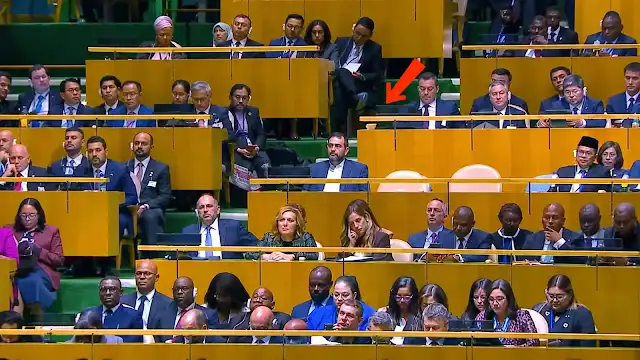
Foreign ministers from the Group of Seven issued an official joint note at the United Nations urging Tehran to stop weapons transfers to coastal armed factions (The Times of Israel).
Russian President Vladimir Putin spoke by phone with Riyadh’s leadership to discuss regional fuel market balances and maritime logistics (TASS Dispatches).
Foreign ministers representing Turkey, Egypt, and Pakistan sat down together in New York to review widening threats around vital Red Sea trade corridors (Anadolu Agency).
This international military maneuvering connects closely with our earlier reporting on the Strait of Hormuz crisis, where closed-door diplomatic talks in New York hit a wall over frozen accounts and transport blockades.
Detention Centre Impacts, Outpost Clashes, and Frontline Casualties
The situation along coastal boundaries remains difficult as air bombardments and ground skirmishes leave wider damage:
Medical personnel confirmed an air bombardment hitting a regional detention centre in northern Yemen took the lives of nine detainees (CBS News).
Field correspondents tracking border encounters reported that combined cross-border clashes claimed more than one hundred and fifty lives over forty-eight hours (Regional Media Wire).
Coastal militia units stated they secured tactical command over routes near Bab-el-Mandeb after overrunning multiple forward military outposts (Independent Dispatches).
Video footage broadcast by regional reporters documented captured frontier outposts holding military papers, uniform sets, and communications gear (Ground Dispatches).
King Salman made a public appearance to criticise armed operations against urban towns and critical economic structures (Saudi Press Agency).
Official representatives in Tehran repeated that regional coastal units operate under their own direction, pushing back against claims of overseas control (IRNA).
These recent military movements match what we documented in our ground analysis of the Yemen war escalation, where families crossed maritime waters into refugee settlements in East Africa.
Commercial Cargo Adjustments, Chokepoint Strain, and Energy Pressures
Outside the immediate confrontation zones, commercial shipping networks continue adjusting to logistical disruption:
Marine underwriters kept high danger premiums active for vessels moving cargo around southern Arabian passages (Lloyd’s List).
Freight shipping agencies confirmed that dozens of long-haul container vessels continue traveling around southern Africa rather than using short coastal routes (Reuters).
Leadership in Washington reaffirmed joint bilateral protection agreements while addressing internal questions regarding regional force deployments (The Washington Post).
Energy planners across European capitals reviewed diesel fuel inventories as distribution networks face steady supply pinches (The Connexion).
Gulf energy analysts suggested that continued drone operations against processing installations might alter future oil delivery schedules (Energy Intelligence).
International relief coordinators raised alarms that broken road routes are slowing deliveries of essential food bags and medical crates into remote districts (UN OCHA Briefing).
Readers following broader trade implications can also check our background report on the Iran war crisis, where commercial flight stoppages and fuel reserve drawdowns shifted market trends.
Frequently Asked Questions
What is the operational update on the East-West oil pipeline?
Engineers finished repair work and resumed crude transportation through the line to the Red Sea port of Yanbu (Reuters).
What defense contribution did French officials offer to Riyadh?
French representatives confirmed willingness to provide protection resources for major refineries and energy hubs (Al Arabiya English).
What did G7 foreign ministers call for during UN sessions?
The Group of Seven released an official statement asking for an end to regional weapons shipments and drone strikes on energy assets (The Times of Israel).
What were the results of the strike on the northern Yemen detention facility?
An air bombardment against an Al-Hazm detention centre resulted in nine detainee fatalities (CBS News).
How are commercial container ships dealing with regional maritime risk?
Most long-distance cargo lines continue routing ships around Africa to skip Red Sea passages despite added shipping days and fuel expenses (Reuters).