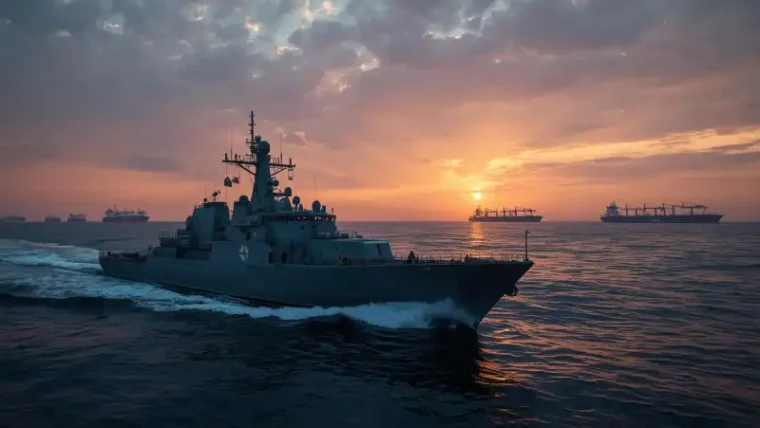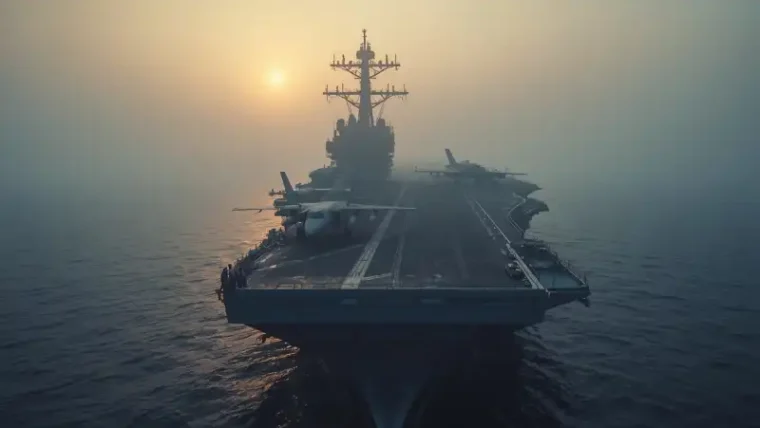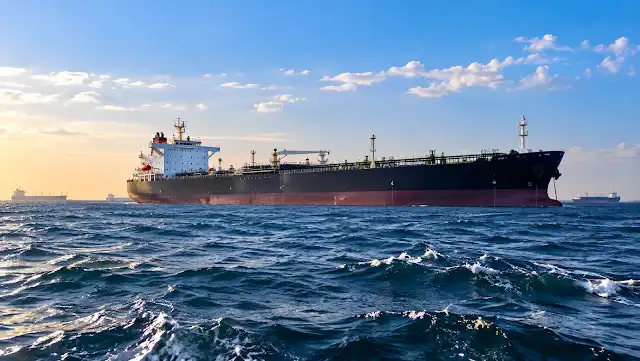
Fresh maritime reports regarding Strait of Hormuz shipping show the Persian Gulf sliding into an intense standoff on 28 September 2026. Commercial sea corridors near the choke point faced sudden security alarms as naval movements put shipping firms on edge. Open-source maritime dispatches noted that merchant ships took missile strikes and encountered naval mine hazards over the weekend, leaving smoke rising near primary crude passages (OSINT dispatches). During these events, Iranian naval patrols secured foreign unmanned submersibles in coastal waters and transferred them for technical checks (Al Jazeera). When trade chokepoints face this kind of pressure, regular households quickly end up footing the bill through higher pump prices and rising costs for daily essentials.
Maritime Enforcement, Route Apologies, and Naval Directives
Regional maritime regulations tightened dramatically as local authorities clamped down on unauthorized transit corridors:
- The Persian Gulf Strait Authority (PGSA) issued navigation notices warning merchant crews to stay strictly within approved sea channels or risk being stopped for procedural non-compliance (Tehran Times).
- Commercial charter agencies wrote formal apology letters to Gulf maritime regulators, explaining that certain tankers took unapproved courses and requesting clearance from the official non-compliance registry (Maritime Correspondence).
- Regional defense accounts documented widespread mine-laying operations and coastal missile battery drills designed to restrict passage along alternative routes near the Gulf of Oman (Breaking News).
- Iranian commanders issued public warnings stating that if national crude exports are halted through overseas restrictions, no commercial fleet will enjoy trouble-free transit through the corridor (Press TV).
- Shipping companies started rerouting specific cross-border freights onto overland lorry networks across neighbouring borders to dodge maritime bottlenecks.
- Navigational alerts prompted dozens of international supertankers to anchor outside territorial boundaries, waiting for formal escort guarantees before attempting transit.
These supply headaches look very similar to the disruptions tracked during the Strait of Hormuz crisis, where sea lane holdups pushed international cargo rates higher.
Western Financial Sanctions, Base Alerts, and European Energy Curbs
Away from the maritime perimeter, Western capitals ramped up strategic and financial pressure campaigns:
US Treasury Secretary Scott Bessent initiated “Operation Economic Outcast“, directing foreign partner governments in Turkey, Oman, and the UAE to sever commercial banking connections and cancel landing rights for Iranian carriers like Mahan Air (The Wall Street Journal). Finance officials declared that pending crude shipments to Asian refiners would represent final deliveries before complete secondary sanctions freeze remaining export networks (The Wall Street Journal).
British security teams around RAF Fairford detained five suspects near the installation perimeter over allegations of planned disruptions against allied long-range bomber platforms (The Times of Israel).Political statements linked to Donald Trump characterized these UK base incidents as high-priority security concerns, while simultaneously suggesting potential diplomatic contacts might reopen later in the season (The Times of Israel).
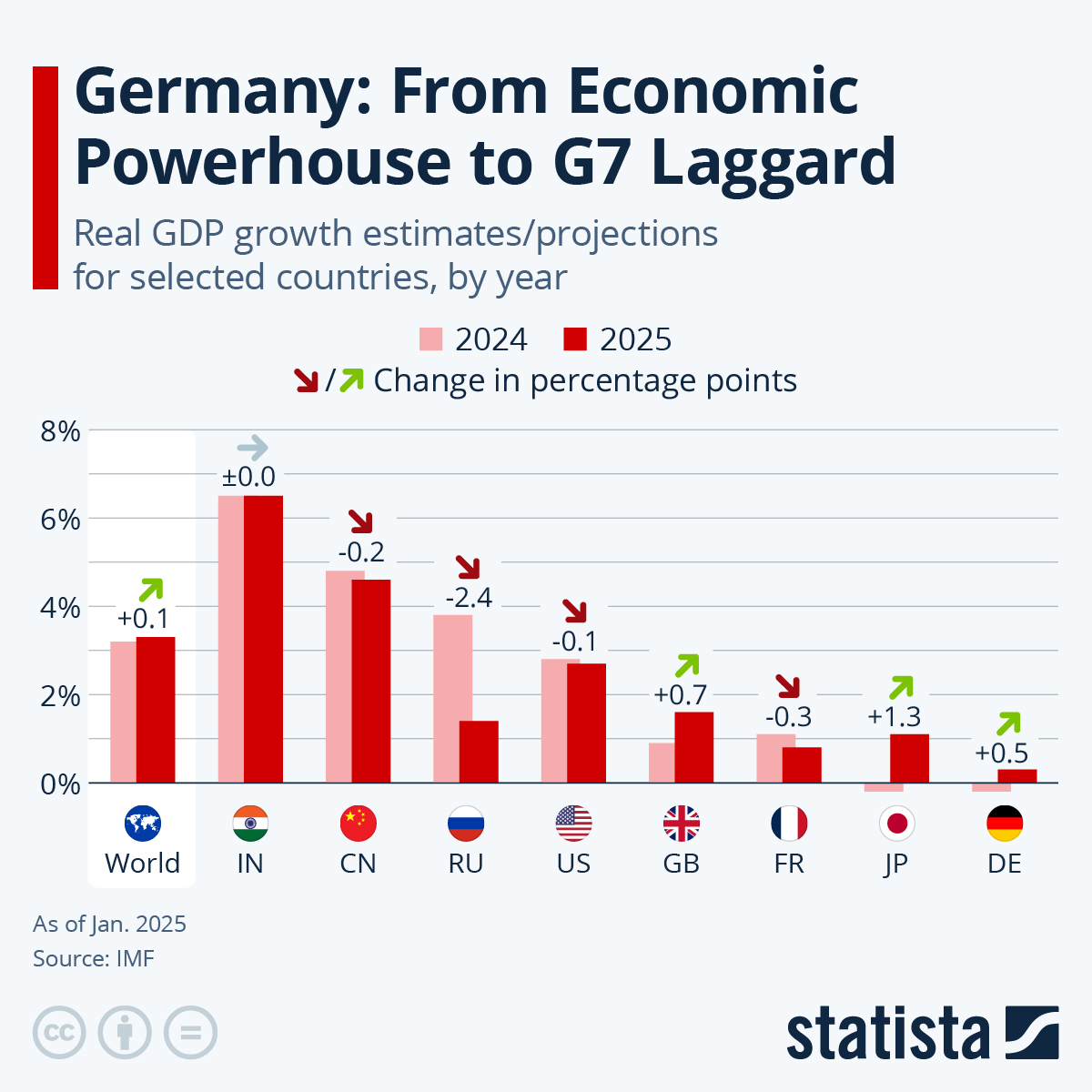
British transport authorities opened contingency consultations regarding mandatory diesel rationing schemes and an emergency 50mph national highway speed cap to conserve dwindling petroleum supplies (Express). German energy boards prepared additional industrial subsidy buffers to protect domestic manufacturers from sudden price shifts across imported crude markets (Reuters).
The logistical strain on international transport reminds readers of the severe trade chokepoints explored in our report on the Saudi-Yemen war, where supply lines suffered major distribution shocks before multilateral agreements were struck.
Backchannel Diplomacy, Legal Challenges, and Regional Divides
While formal channels remained blocked, private diplomatic missions and geopolitical friction surfaced across regional capitals:
- Israeli Prime Minister Benjamin Netanyahu carried out an unannounced private visit to Abu Dhabi on Sunday for direct strategic talks with UAE President Mohamed bin Zayed regarding joint defense arrangements (Ynet Global).
- Iran’s United Nations delegation officially confirmed they have no plans to resume direct diplomatic sessions with US officials in New York, demanding formal responses to previously submitted ceasefire terms (The Times of Israel).
- Regional educational authorities in Riyadh transferred primary and secondary schools across the capital to remote digital learning setups as domestic security precautions (Gulf News).
- Legal ministries in Tel Aviv instructed diplomatic teams to prepare International Criminal Court documentation regarding regional leadership financing and cross-border actions (i24NEWS).
- Diplomatic offices revoked specific European consular papers after disagreements broke out over merchandise labeling rules in disputed territories (Breaking Notices).
- Russian and Iranian cultural departments signed bilateral agreements in Moscow to work on joint broadcast projects, showing how regional partnerships keep expanding despite heavy Western sanctions.
Readers following these diplomatic moves can read our background report on the Iran war crisis to see how maritime checks and sanctions continue shaping international commerce.
Frequently Asked Questions
What is the Persian Gulf Strait Authority (PGSA) requiring from commercial ships?
The PGSA published mandatory route guidelines, cautioning that any vessel deviating from designated lanes faces non-compliance listing and security interception (Tehran Times).
What measures did the US Treasury launch under Operation Economic Outcast?
US Treasury Secretary Scott Bessent coordinated banking and airspace restrictions across partner nations, cutting commercial ties with targeted carriers and regional financial hubs (The Wall Street Journal).
Why is Britain considering diesel rationing and speed limits?
UK transport ministries began reviewing diesel quotas and temporary 50mph motorway limits to safeguard strategic fuel reserves against global supply shortages (Express).
What occurred during the secret diplomacy in Abu Dhabi?
Reports confirmed Israeli Prime Minister Benjamin Netanyahu met privately with UAE leadership to discuss regional defense arrangements following escalating maritime tensions (Ynet Global).
Why did Riyadh transition schools to remote learning?
Education departments in Riyadh temporarily switched classrooms to online study platforms as a safety and organizational measure during heightened regional events (Gulf News).