US-Israel-Iran Conflict & Gulf War Risks
- US-Israel-Iran Stand-off: Escalation, Gulf Oil Chokepoints and the Yemen Front
- Washington Timelines and Tel Aviv Pressure
- Tehran Diplomacy and the Mecca Pact Meetings
- Strait of Hormuz Closure Sends Shockwaves Through European Energy Markets
- The Yemen Battleground and Saudi Border Strikes
- Aramco Logistics and Arab Security Alignments
- Common Questions Answered
- Is an immediate direct strike on Iran confirmed?
- Why did regional leaders meet in Tehran?
- Why Store Saudi Oil in Singapore Instead of Closer to Home?
- Egypt and Riyadh: Is military backing actually on the way?
US-Israel-Iran Stand-off: Escalation, Gulf Oil Chokepoints and the Yemen Front
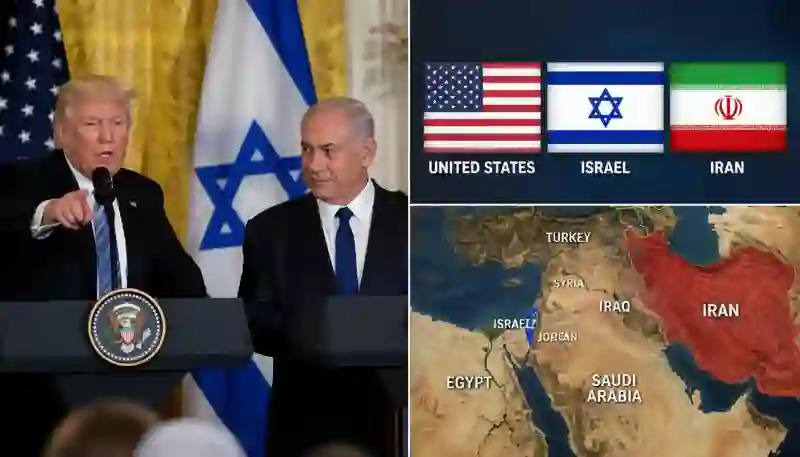
Amid the widening US-Israel-Iran conflict, Diplomatic relations across the Middle East are facing fresh turbulence this week. Sirens echo across Tel Aviv, envoys arrive in Tehran aboard foreign aircraft, and drone strikes cause fresh alarm across Gulf communities. Nobody expects normal business right now.
People want the raw facts without government spin. Straight up, here is what major newsrooms are reporting from the ground.
Washington Timelines and Tel Aviv Pressure
Look, Netanyahu has been eager to greenlight direct strikes on Iran—and fast. Yet reporting from CNN alongside The Times of Israel revealed Donald Trump told him flat to hold horses until voting day passes in America.
The plan kicked off major rows inside Israeli security rooms. Senior Mossad officers and military chiefs doubted whether Israel should go it alone. Their biggest concern was that a heavy Iranian rocket assault could rapidly drain Israel’s supply of Iron Dome interceptors.
Tehran Diplomacy and the Mecca Pact Meetings
Proper closed-door talks kicked off across the Gulf. Iranian President Masoud Pezeshkian met face to face with Saudi Defence Minister Khalid bin Salman, Pakistan’s army chief Asim Munir, and Turkish intelligence chief Ibrahim Kalin, Al Jazeera reported.
The diplomatic talks ran into an early deadlock over nuclear negotiations. Reuters reported that Tehran firmly rejected any discussion of its nuclear research or domestically developed ballistic missile stockpile with the visiting delegation. Senior Iranian officials insist talks can only advance if the White House lifts sanctions and eases its naval chokehold on the Gulf.
Iranian Foreign Ministry spokesman Esmaeil Baghaei noted that while military units remain fully armed for a worst-case scenario, backchannel diplomacy through regional contacts stays open.
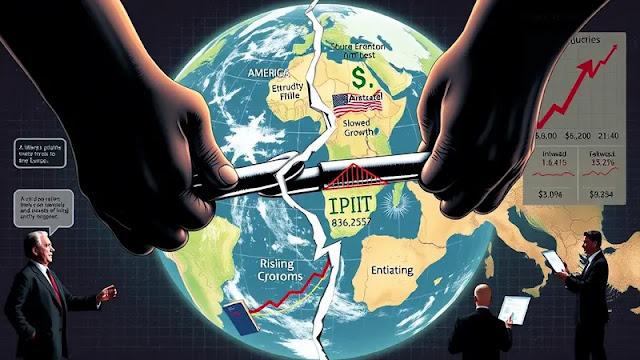
Strait of Hormuz Closure Sends Shockwaves Through European Energy Markets
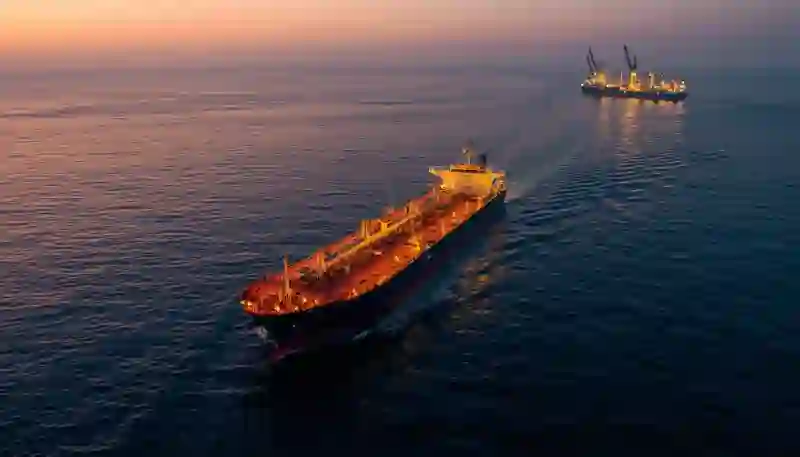
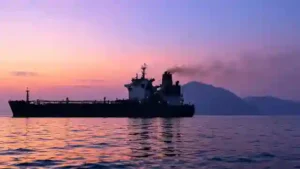
Things look equally volatile on the water. According to Al Jazeera, Iran’s naval command declared it had taken control of the Strait of Hormuz, sparking fresh concerns for commercial shipping and global maritime trade.
Energy desks in Europe responded instantly. Petrol pumps are recording prices unseen since 2022. At the same time, The Japan Times has detailed how clandestine tanker operations around Myanmar’s ports reportedly enable Iranian jet fuel under sanctions to continue reaching customers across Asia.
Inside Iran itself, domestic drills continue along border lines. Members of parliament are publicly debating whether supreme leadership should scrap long-standing religious bans on nuclear warheads, pointing to current military buildup on their borders as justification.
The Yemen Battleground and Saudi Border Strikes
The confrontation spreads straight into Yemen. Reporting by Israel Hayom detailed diplomatic claims that a Saudi delegation brought a billion-dollar ceasefire proposal to Tehran, aiming to halt continuous Houthi strikes against kingdom assets.
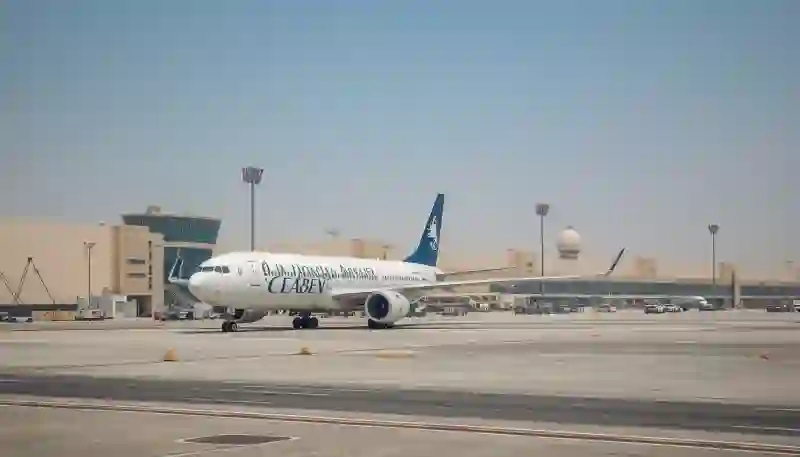
Inside Saudi Arabia, the fallout has been brutal. Drone-related security warnings brought King Khalid International Airport to a near standstill, Al Jazeera reports, grounding over 4,000 commercial flights and cancelling 94% of planned movements.
A deadly rocket barrage slammed into an army training base inside the border. Ground reports put the toll at 75 soldiers killed, with more than 200 requiring urgent medical care. Coalition spokesman Major General Turki al-Malki confirmed that air strikes targeted Houthi strongholds, destroying mountainous tunnels, launch sites, and key supply routes.
Aramco Logistics and Arab Security Alignments
Facing persistent disruption to Gulf supply routes, Saudi Aramco sought to stockpile emergency oil reserves in Singapore, helping protect supplies amid growing drone-attack risks.
Neighbouring states are stepping in to prevent complete collapse. Al Arabiya English reported that Egypt’s parliament granted President Abdel Fattah al-Sisi full authority to provide military backing and reinforce Saudi border air defences. In western Yemen, government forces pushed into Taiz and recovered lost territory following sustained artillery strikes against Houthi positions.
With stray rocket bits hitting roads, fuel costs biting everyone, and armies sitting with fingers on triggers, this is no longer a small local scrap.
Common Questions Answered
Is an immediate direct strike on Iran confirmed?
Look, nothing is signed off yet. Reporting by CNN and The Times of Israel revealed that Donald Trump advised Benjamin Netanyahu to delay major operations until after the US election cycle wraps up, despite heavy lobbying from Tel Aviv.
Why did regional leaders meet in Tehran?
Officials from Saudi Arabia, Pakistan and Turkey gathered in Tehran for urgent talks on regional security, Al Jazeera reported. However, Reuters confirmed that Iran continued to rule out negotiations over its nuclear activities and ballistic missile capabilities.
What is going on with flights across Saudi airports?
Complete chaos on the tarmac, basically. Al Jazeera figures show over four thousand commercial runs got cancelled out of Riyadh alone. Over several days, drone-related security alerts brought air traffic to a near standstill, cancelling roughly 94% of scheduled departures at King Khalid International Airport.
Why Store Saudi Oil in Singapore Instead of Closer to Home?
Keeping tankers well away from active fighting is a priority for everyone involved. By moving millions of barrels across the Indian Ocean, Aramco helps keep eastern refineries supplied, even if shipping through the Strait of Hormuz comes to a complete halt.
Egypt and Riyadh: Is military backing actually on the way?
Cairo gave the green light. Al Arabiya English broke down how Egypt’s parliament formally handed President Sisi the legal nod to step in with air defence hardware and troops if border raids along the kingdom start sliding out of hand.