Frontline Reality: The Fight Over Polling Day Truces and Shifting War Strategy
The Russia Ukraine War has entered a critical phase where peace talks across Eastern Europe always sound neat on paper, but daily life on the ground is far rougher. Everyone wants quiet skies and normal polling booths. Yet looking at current headlines, neither army seems anywhere near stepping back.
Recent political sparring between Moscow and Kyiv proves how deep this grudge goes. Disputed election dates, smashed heating plants, and messy rows around Donald Trump leave real peace off the table.
The 60-Day Election Proposal and Putin’s One-Day Offer
The latest row kicked off over national elections in Ukraine. Ukrainian President Volodymyr Zelenskyy suggested that if Russia stopped air and ground strikes for two months (60 days), officials in Kyiv could safely run a proper vote.
Reports from Reuters and The Times of India show the Kremlin threw out that 60-day idea straight away. Dmitry Peskov, speaking for Vladimir Putin, made clear that Russian troops would only pause shooting for a single 24-hour stretch on the day people vote.
Moscow claimed a two-month break would just let Ukrainian brigades dig fresh trenches, get fresh arms, and regroup. Russian leaders maintain that short halts do nothing, arguing any real cease in fighting must match a total settlement.
Trump’s Truce Claim and the Reality of Six Blown Power Sites
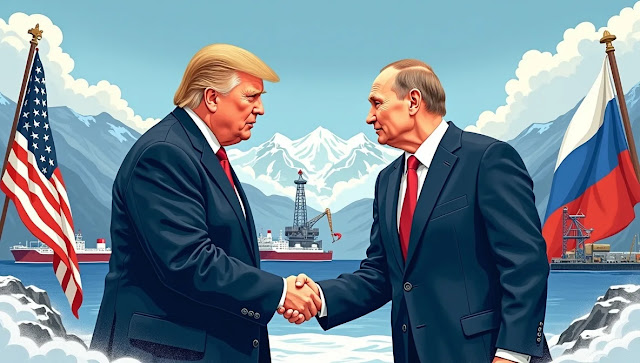
While politicians argued over election dates, claims of an energy truce quickly fell apart on the ground. Former US President Donald Trump claimed both sides had agreed to stop attacking each other’s fuel grids and power stations.
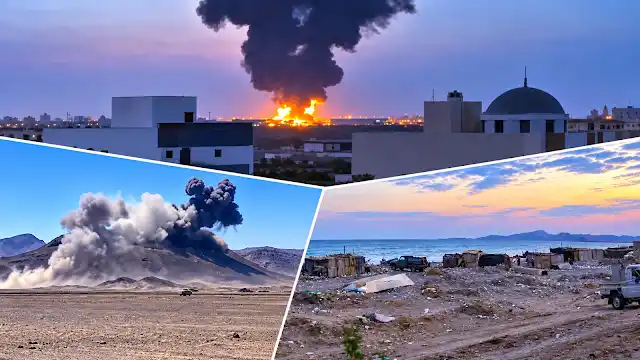
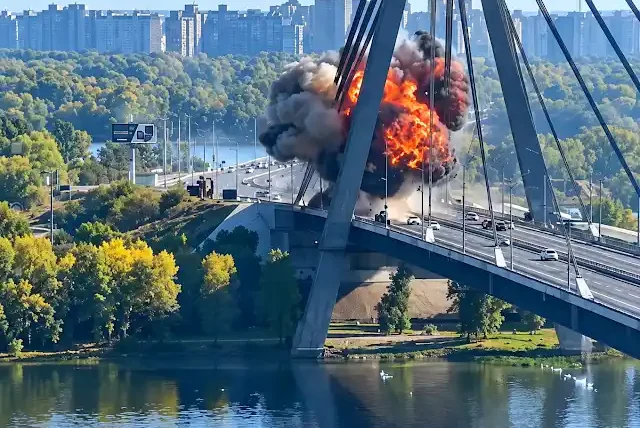
The situation on the ground turned out very differently. As reported by BBC News, President Zelenskyy pointed out that Russian forces struck six Ukrainian energy sites right after Trump made his truce announcement.
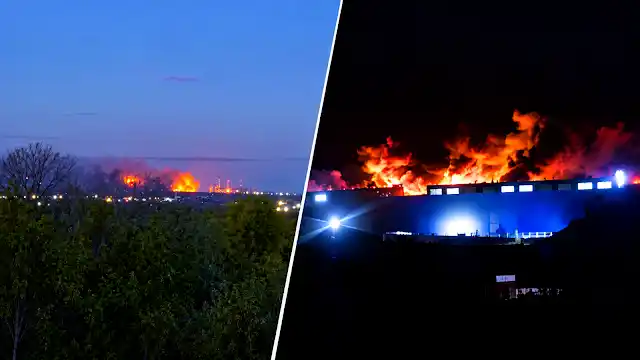
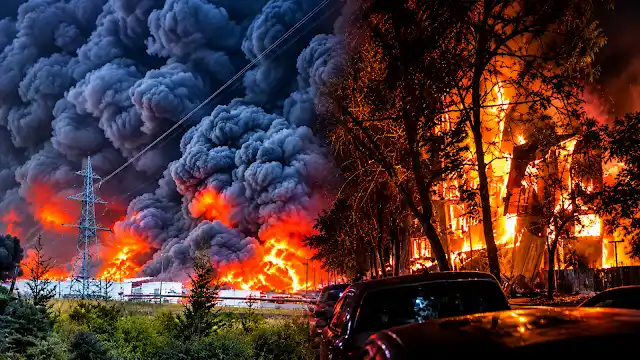
With winter fast approaching, hitting electricity grids and power substations puts massive pressure on ordinary homes. Ukrainian drone strikes on Russian fuel depots continue as well, proving that energy infrastructure remains one of the sharpest weapons in this war.
European Security Talks and Lavrov’s Firm Warning
Diplomatic noise spread across Europe during the Warsaw Security Forum, where President Zelenskyy sat with Polish Prime Minister Donald Tusk to talk through regional borders and NATO plans. Allied leaders argued over how long national budgets can keep funding heavy weapon orders.
Over in Moscow, Russian Foreign Minister Sergey Lavrov took a firm line during recent diplomatic meetings. Lavrov warned that Russia’s military plans won’t stop until every war aim gets ticked off. He claimed European capitals are dragging out the fighting for local gain, adding that Moscow owes no explanations to Western leaders.
Meanwhile, fresh friction over Baltic Sea shipping routes is growing, with Western capitals looking at tighter inspections on passing cargo.
Trump’s 250 Billion Dollar Blast at the European Union
Western unity took another public knock over energy payments. Donald Trump posted a fiery statement on Truth Social, accusing European nations of hypocrisy when dealing with Moscow.
Trump wrote directly:
Despite claims that the European Union spent $250 billion on Russian energy, the issue has drawn criticism over the level of attention it has received in mainstream news coverage. I made the right choice for the American People — ALWAYS, AMERICA FIRST!
His statement highlights an uncomfortable reality: despite layers of economic penalties, Russian oil and gas still find pathways into Western economies, keeping vital cash flowing into Moscow.
China and Russia Strengthen Maritime Trade Protection
With Western restrictions tightening, Beijing and Moscow are doubling down on their trade partnership. Chinese Foreign Minister Wang Yi, via TASS, stated that Beijing stands ready to defend mutual naval corridors and merchant shipping alongside Russia.
Whether trains cross border tracks or tankers use open seas, the message is plain: both states plan to shield their trade lanes from outside interference.
Quick 24-hour pauses and sharp political slogans cannot fix a war this deep. While critical energy hubs burn and military pacts solidify, this war stays locked in a brutal battle of endurance.
Frequently Asked Questions
Why did Russia reject the 60-day election ceasefire?
According to Reuters and The Times of India, the Kremlin turned down the 60-day truce over fears it would allow Ukrainian forces to rearm, offering only a single-day halt on voting day instead.
Did Russian strikes on Ukrainian energy sites stop after Trump’s announcement?
No. BBC News reported that Russian forces struck six separate Ukrainian energy facilities shortly after Trump declared that an energy ceasefire was in place.
What did China announce regarding its maritime ties with Russia?
As reported by TASS, Chinese Foreign Minister Wang Yi stated that China is ready to work with Russia to protect shared maritime navigation and trade routes.