Russia-Ukraine War Update: 5 Ground Reality Shifts
Russia-Ukraine war update: Diplomatic friction inside NATO blew wide open this week just as fresh waves of missiles targeted key civilian power stations. While Washington and European allies argue over how to speak to Moscow, a massive Patriot air defense deal went through, and naval talks began along the Black Sea right before winter sets in.
Here is what really went down across the battlefield and behind closed embassy doors over the last 24 hours.
Western Rhetoric Splits and Baltic Pushback
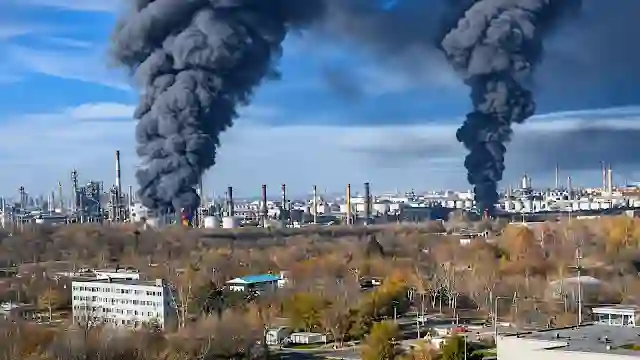
Allied leaders ran into open disagreements this week over how harshly to talk about Moscow. Behind closed doors, Pentagon officials warned European partners that heated anti-Moscow rhetoric could backfire badly, according to Reuters. Washington worries that constant verbal provocations might push the Kremlin to choke off what remains of global oil traffic or hit back along commercial shipping lanes.
Estonia pushed back on the spot. The country’s prime minister told the Kyiv Post that Tallinn has no intention of toning down its criticism of Vladimir Putin. From the Baltic point of view, dropping tough language looks like cold feet and only invites more trouble along NATO’s eastern frontier.
At the same time, broad discussions regarding future negotiation formats are taking shape. Diplomatic reports published by The News indicated that Western planners are weighing an expanded role for the E3 bloc—consisting of Britain, France, and Germany—to represent European security interests in any potential multilateral peace frameworks.
(Related Coverage: Check our recent analysis on Strait of Hormuz Clashes: Gulf Alerts impacting global energy shipping lanes.)
Long-Range Strike Expansion and $2.1B Patriot Package
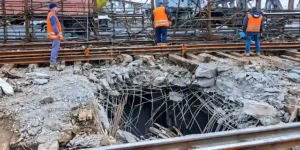
Military leaders in Kyiv are stepping up efforts to hit deep behind Russian lines. According to Ukrainska Pravda, President Volodymyr Zelenskyy confirmed that his military will build up long-range strike units. These drone and rocket teams focus on blowing up fuel depots, railway supply lines, and weapons storage sites far past active trenches.
To keep cities safe from return fire, allied nations stepped up with major weapons funding. The US State Department gave the green light for a $2.1 billion deal to send Patriot PAC-3 interceptor missiles to Ukraine. European partners like Germany and Norway are paying for the package to restock depleted air defense batteries guarding substations and urban neighborhoods.
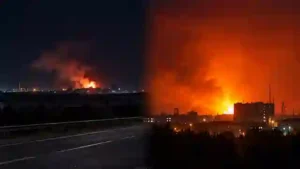
The demand for interceptors spiked right after Kyiv got hammered by back-to-back missile salvos. The Kyiv Post noted that Ukrainian officials immediately called for an emergency UN Security Council session to address widespread damage to power plants and civilian blocks.
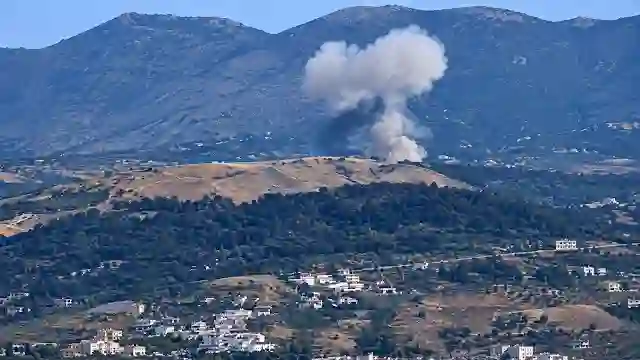
Black Sea Diplomacy and the Istanbul Summit
Getting grain and crude safely across southern waterways took center stage on the diplomatic calendar. Turkish paper Türkiye Today reported that President Zelenskyy landed in Istanbul to sit down with Turkish leader Recep Tayyip Erdogan. The two spent hours figuring out how to stop sea-drone hits against cargo vessels and keep quiet peace channels open.
Naval movement through the basin remains risky. Both forces continue trading sea-drone hits against patrol craft and harbor equipment, which drives up commercial shipping rates. Ankara continues using its control over the Bosphorus Strait to prevent extra warships from entering while keeping basic cargo routes open.
Meanwhile, regional security teams are on high alert for covert activity. Security officials in Poland arrested a 55-year-old Russian citizen accused of running surveillance for a foreign intelligence outfit after officers found thousands of photos showing vital railway tracks and transit junctions on his devices.
Russian Media Suppression and Internal Press Controls
Independent reporting within the Russian Federation confronted renewed state clampdowns. Broadcasters including the BBC reported that regulators forced the veteran investigative daily Novaya Gazeta to shut its doors for good.
The paper had been running for over thirty years under Nobel Peace Prize winner Dmitry Muratov as Moscow’s final independent newsroom. Reporters packing up their desks told colleagues that government regulators simply strangled the paper through constant legal threats to hide real war costs and troop losses from everyday citizens.
The shutdown leaves ordinary Russians with almost nowhere to turn for independent reporting on front-line realities.
Frontline Ceasefires and Oleshky Evacuations
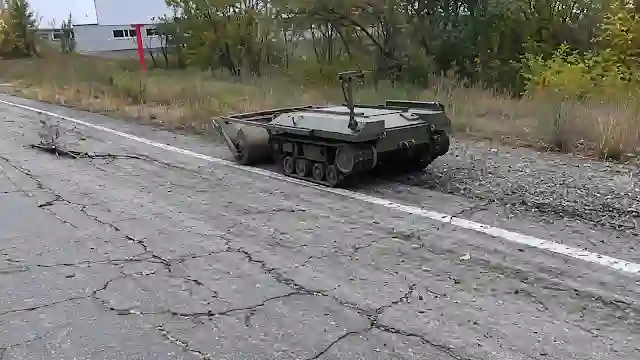
Small localized agreements offered brief relief for trapped families along flooded riverbanks. WION reported that local commanders agreed to a short humanitarian pause in battered Oleshky, set up with help from Melania Trump, letting rescue vans pull trapped civilians out of ruined streets.
Relief workers carried in boxes of canned food, bandages, and fuel jugs before helping elderly folks out to safety. But once the convoy cleared, heavy artillery fire picked right back up as both armies dug into freezing mud.
Frequently Asked Questions
Why did Washington ask European governments to dial back talk on Russia?
The White House stepped in out of concern that harsh speeches could make Moscow lash out at oil tankers or choke off remaining fuel exports.
What hardware is included in the new $2.1 billion air defense deal?
The contract covers advanced Patriot PAC-3 interceptors engineered to take down ballistic missiles, with European allies picking up the bill.
Why is Ukraine building up dedicated long-range attack teams?
Ukrainian commanders need dedicated units to strike oil refineries, supply depots, and rail hubs deep behind enemy lines every single day.