Yemen Frontline Shifts: Precision Strikes and Regional Power Plays
Yemen Frontline Shifts: Regional tensions flared up sharply across the Middle East this week as high-altitude satellite coordination collided with heavy airstrikes and political stalemates. Between revelations of space-based targeting against Gulf oil refineries, major military redeployments in northern Yemen, and dock strikes disrupting maritime freight, defense corridors are operating on high alert.
Major international newsrooms have laid bare the facts over the past twenty-four hours. Here is the full breakdown of how military tactics, diplomatic friction, and regional security realignments are playing out across the theater.
Russian Satellite Tracking and Saudi Energy Targets
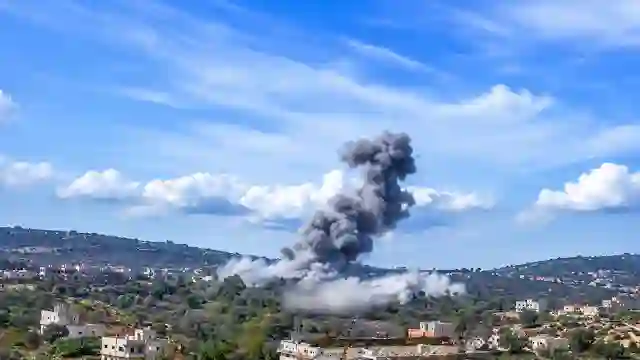
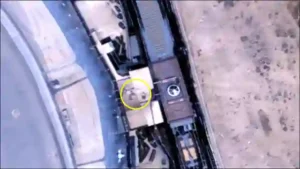
Cross-border strike operations against critical infrastructure reached a concerning technological turning point. An Associated Press report revealed that Russian orbital feeds are now directly guiding Houthi strike teams. Western defense officials confirmed that overhead surveillance feeds allow drone and cruise missile crews to strike specific targets across Saudi Arabia, pinpointing power plants, oil facilities, and sites around Riyadh. This space link gives local fighters accurate targeting data that routinely bypasses standard air defense shields. Because of this growing threat, Saudi officials flew straight to Washington to seek specialized electronic countermeasure gear and upgraded interceptor batteries to safeguard commercial refineries.
Coalition jets struck back with heavy air raids almost immediately. News wires from Al Mayadeen English noted that Saudi warplanes ran 66 bombing runs across six Yemeni provinces in a single day, triggering emergency warnings as blasts hit populated districts.
(Related Coverage: Check our recent analysis on Strait of Hormuz Clashes: Gulf Alerts impacting commercial maritime transit.)
Frontline Battles in Al-Jawf and Strict Disarmament Demands
Ground combat inside Yemen flared up violently along key northern transport routes. Official military spokespersons reported that internationally recognised Yemeni government forces recaptured vital terrain and strategic heights in the northeastern al-Jawf governorate. Government military representative Majed al-Nazili noted that allied battalions successfully held ground while repelling counter-assaults around Taiz.
Political reconciliation, however, remains distant. In an on-air interview with Al Arabiya English, Yemen’s Foreign Minister outlined non-negotiable conditions for international peace talks, declaring that the Houthi movement must completely surrender its heavy weapons before any formal negotiations can take place. The government warned that armed groups holding autonomous ballistic arsenals represent an ongoing threat to regional maritime shipping routes.
Tensions inside rebel-held territories extended to humanitarian organisations after armed patrols detained a United Nations field official, prompting the UN to issue urgent demands for unconditional release.
Damascus Seeks Entry into the Mecca Defense Alliance
Diplomatic realignments are expanding across the Arab peninsula. Reporting from The Cradle revealed that Syrian officials initiated preliminary discussions to join the emerging Mecca Defense Alliance. The security pact, spearheaded by Saudi Arabia alongside defense partners including Pakistan and Turkey, is designed to build a unified regional deterrence framework against asymmetric threats.
Security analysts point out that Damascus’s interest in the pact represents a significant diplomatic pivot. Bringing Syria into this defense group would pull Damascus closer to Gulf partners and reset regional security guarantees across the Levant. It also shows regional capitals trying to use mutual treaties to keep cross-border conflicts from blowing up out of control.
The diplomatic overtures reflect a broader effort by regional leaders to balance external pressure and contain escalating proxy clashes through collective security treaties.
Domestic Israeli Deadlock and Arab Coalition Influence
Political maneuvering inside Israel is approaching a critical junction following election gridlock. Reports published by the Hindustan Times highlighted statements from veteran Arab coalition leaders confirming that the Joint List is prepared to cast decisive parliamentary votes to remove Prime Minister Benjamin Netanyahu from power.
Arab party leaders laid out two simple conditions for their support:
- Backing From Outside: The Joint List is ready to vote alongside opposition lawmakers during no-confidence motions to take down the current governing majority.
- No Ministry Seats: Lawmakers made it clear they will not take cabinet posts or join any formal ruling coalition.
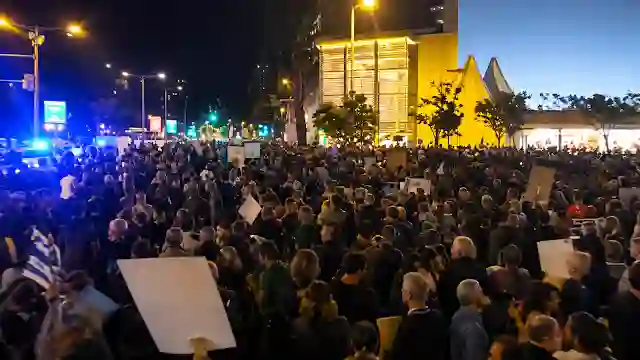
At the same time, thousands of protesters filled city streets, demanding an end to cabinet stalemates and calling for accountability on military matters.
Humanitarian Strains in Gaza, Hebron, and Port Blockades

Civilian populations across the Palestinian territories face worsening hardship under intense siege conditions. The Quds News Network reported a tragic incident in southern Gaza where two infants died in an accidental shelter fire that engulfed makeshift family tents amid harsh winter weather.
In the occupied West Bank, military restrictions have severely impacted the regional economy:
- Forced Evacuations: Municipal leaders in Hebron confirmed that a week of military lockouts forced 3,361 residents out of their neighborhoods, among them 1,425 children.
- Local Business Losses: Roadblocks and sealed commercial gates wiped out an estimated 10 to 12 million shekels, costing shopkeepers between $31.8 million and $38.2 million in trade.
Harbor workers around the world also joined the protest movement. Dock hands across 22 countries, including crews at Greece’s Port of Piraeus, walked off the job and refused to touch or load shipping containers carrying weapons for active combat fronts.
Frequently Asked Questions
How are Russian satellites assisting Houthi military strikes?
US intelligence sources found that Russian satellite operators are handing over real-time GPS coordinates to Houthi crews, letting their drones accurately hit Saudi energy hubs and oil tanks.
What condition did Yemen’s government set for peace talks?
Yemen’s Foreign Minister stated that Houthi forces must completely surrender their heavy weapons and ballistic arsenals before any formal peace negotiations can proceed.
Why did dockworkers go on strike in Greece and other nations?
Dock crews across 22 nations walked out to block military cargo, refusing to shift containers packed with munitions headed for Middle Eastern war zones.