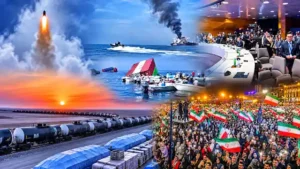
Middle East War Crude Oil Surge Hits $117
Middle East war crude oil surge: Istanbul Talks, Riyadh Summit Delays, and Air Defence Scramble
Things took a sharp turn for regional travel and diplomacy this week. What started as back-and-forth border hits has quickly spiralled into cancelled global conferences, hard travel warnings from Europe, and frantic defense moves behind closed doors.
Big Events Pushed Back as Flights Grounded
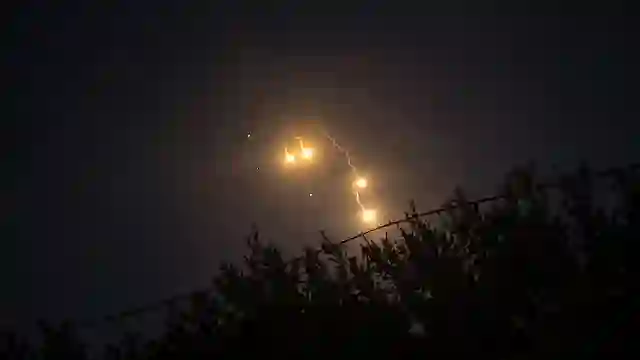
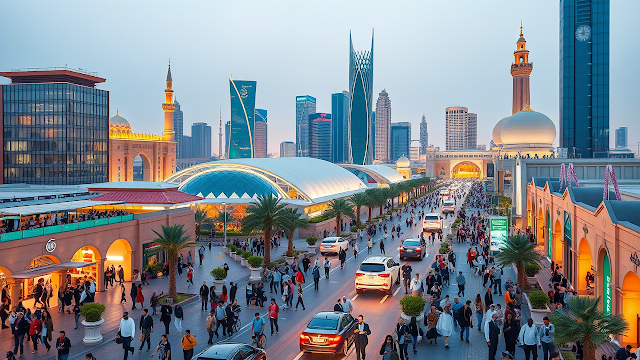
The business hit from these persistent air strikes is getting impossible to paper over. CBS News confirmed that Saudi officials just pushed the United Nations World Data Forum and the Saudi Statistical Forum all the way back to 2027. That comes right after earlier schedule delays hit the Future Investment Initiative, showing clearly that global executives and foreign diplomats are simply backing away from flying into targeted airspace.
Commercial carriers are also coming under pressure at an alarming pace. Al Jazeera reported that European foreign offices stepped in, with Italy formally telling its citizens to skip travel to Saudi Arabia and avoid using the kingdom’s airports. Major airlines have already pulled dozens of regional flights off the schedule through late October after drone hits caused panic near Eastern Province travel terminals.
Closed-Door Talks in Istanbul and Factory Expansions
With maritime corridors under fire and energy hubs taking hits, allied foreign ministers rushed to Istanbul for an emergency huddle. Diplomats flew in from Cairo, Riyadh, Islamabad, London, Berlin, and Paris to sit down with Turkish officials. The main worry on the table was escorting commercial ships through the Red Sea and finding real answers for low-flying drone raids.
Talks quickly turned to making their own hardware. New satellite passes showed heavy construction work expanding local missile and military hardware factories. Fresh satellite imagery over major oil logistics complexes, including Aramco operational facilities, revealed visible blast scoring and structural burns following recent long-range attacks. Regional planners want to push out their own air defence missiles and interceptors locally, mostly because Western supply chains are already running dangerously thin due to multiple global commitments.
Airstrikes East of Sanaa and Lebanon Tension
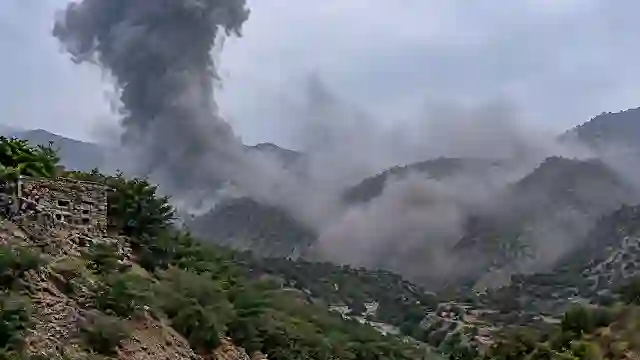
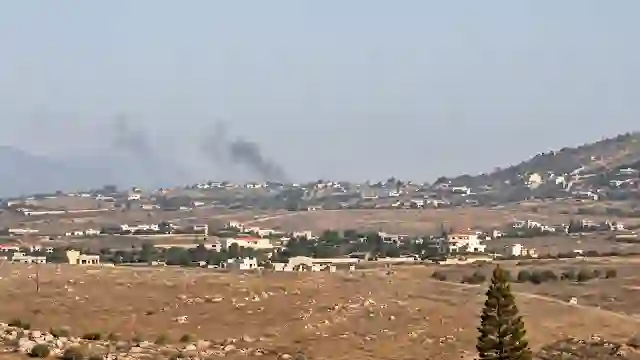
On the battlefront, neither side is slowing down. Al Jazeera noted that Yemeni army units launched wide sweep operations around Taiz, claiming to hit over a thousand insurgent launch spots. Yet the wave of attacks was far from over. Coalition jets flew retaliatory bombing runs east of Sanaa in the Nihm area, hitting logistics sites and leaving civilians dead, based on updates carried by Al Mayadeen.
Tensions are running just as high in diplomatic circles across the Levant. American envoys dropped hints during recent regional talks that UN peacekeeping troops in southern Lebanon need a complete reset if they cannot stop cross-border rocket teams.
West Bank Clashes and Widening Fronts
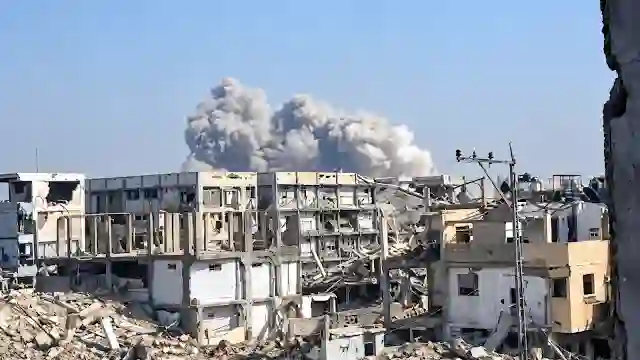
The occupied West Bank saw a similarly swift escalation in violence. Gunmen opened fire on an army post, leaving two Israeli soldiers dead and others badly hurt before troops shot the attackers down. Right after the shooting, heavy military diggers and combat trucks rolled straight into neighbourhood streets, tearing down boundary walls and blocking off regular traffic routes.
Between frozen business summits, nervous airlines, and running air defence factories day and night, the region is digging in for a long crisis.
Quick Facts and Answers
Why were the big Saudi UN summits pushed back to 2027?
Organisers called off both the UN World Data Forum and the Saudi Statistical Forum because drone hits near airport routes made it unsafe for international guests. Other major business summits in Riyadh were also moved back for the exact same reason.
What are European embassies telling travellers headed to Saudi Arabia?
Italy told its citizens point-blank to stay away from the kingdom and avoid landing at local airports. Major airlines have also scrapped their flights through the end of October after shrapnel from drone hits hit transit terminals.
What was the point of the sudden Istanbul diplomatic huddle?
Envoys from Egypt, Saudi Arabia, Pakistan, the UK, Germany, and France sat down with Turkish teams to tackle Red Sea shipping routes. Their main worry is finding cheap, quick ways to stop low-flying drone raids on cargo ships.
Why are Saudi weapons factories getting bigger right now?
New overhead satellite shots caught heavy expansion work at regional military compounds. Saudi planners want to build their own interceptor rockets on site instead of waiting for Western supplies that are already running low.
What went down in Yemen and southern Lebanon?
Coalition fighter jets flew bombing runs east of Sanaa in the Nihm area right after firefights flared up near Taiz. At the same time, American officials suggested pulling back or restructuring UN peacekeeper units stationed along Lebanon’s border.