Middle East War Crude Oil Surge Alert: Brent Hits $117
- Middle East War Crude Oil Surge: Oil Routes Choked, Embassy Clearances, and Missile Shield Scramble
- Embassies Pull Staff as Flight Corridors Shut Down
- Crude Prices Surge Past $117 as Tanker Routes Take Fire
- Broken Summits in Riyadh and Istanbul Security Meetings
- The Nuclear Factor and Frontline Discontent
- Battle Lines Shift Across Yemen and the Levant
- Quick Takeaways and Field Answers
Middle East War Crude Oil Surge: Oil Routes Choked, Embassy Clearances, and Missile Shield Scramble
The Persian Gulf and Red Sea have entered a more volatile phase this week, with developments extending beyond verbal threats and military posturing. What began with border skirmishes has spiralled into panic across crude oil shipping lanes, diplomatic staff evacuations, frozen global conferences, and open threats against civilian infrastructure.
Embassies Pull Staff as Flight Corridors Shut Down
The fallout hit Western missions on the ground right away. CBS News confirmed that the US State Department ordered non-essential embassy personnel and military families to pack up and leave Saudi Arabia immediately. The quiet drawdown follows persistent drone strikes that pushed regional air defenses to the breaking point.
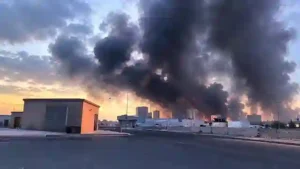
European capitals reacted without delay. As reported by Al Jazeera, the Italian government slapped down an urgent travel warning telling citizens to stay away from the kingdom and avoid landing at local airports. Commercial airlines pulled back just as hard; international carriers grounded flights through late October after shrapnel from drone hits tore into transit zones around Dammam.
Crude Prices Surge Past $117 as Tanker Routes Take Fire
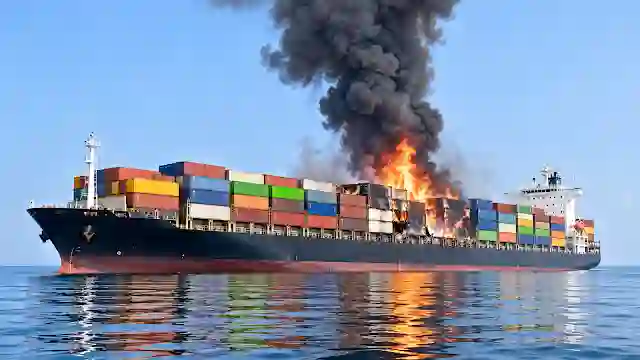
The energy sector was rocked by a sharp shock. According to The Wall Street Journal, Tehran put neighboring Gulf capitals on notice, saying point-blank that any fresh airstrikes would mean immediate hits on civilian airports, fuel pipes, and Western office blocks right across the region.
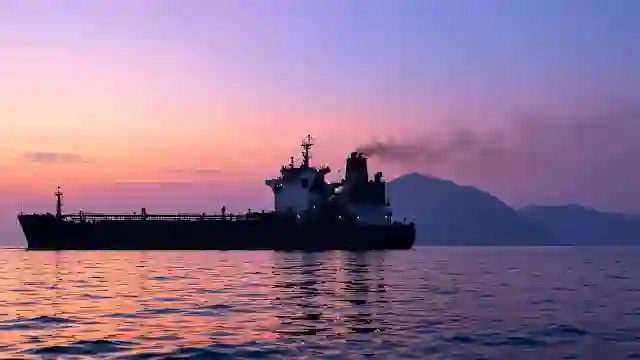
Oil markets freaked out within minutes. Brent crude blew past $117 a barrel because tanker insurance firms simply panicked over sea routes near Hormuz. Real trouble followed fast; Al Arabiya reported that UAE teams in Sharjah cordoned off Al-Hamriyah beach after a hit vessel leaked heavy oil across the water. To keep crude moving without crossing hot waters, Aramco cranked throughput on its 1,200-kilometre East-West pipeline up to 7 million barrels daily, pumping fuel straight towards Yanbu on the Red Sea coast. Even top gas producers are running scared; Bloomberg confirmed that Qatar locked down a massive long-term deal with US firms, buying up American LNG all the way through 2054.
Broken Summits in Riyadh and Istanbul Security Meetings
With the threat of airstrikes looming, diplomatic meetings across the Gulf have been cancelled or put on hold. CBS News reported that Saudi officials pushed both the United Nations World Data Forum and the Saudi Statistical Forum back to 2027. The latest postponement came after Riyadh’s flagship investment summit was delayed earlier, underscoring the reluctance of foreign business leaders and delegations to fly into areas facing potential military threats.
To stop the bleeding, foreign ministers from Egypt, Saudi Arabia, Pakistan, the UK, Germany, and France rushed to Istanbul to meet Turkish leaders. CBS News noted that French Foreign Minister Jean-Noël Barrot warned directly that a wider military clash between Washington and Tehran would leave zero winners and trigger devastating spikes in fuel prices. Turkish Foreign Minister Hakan Fidan backed that up on Al Mayadeen, insisting military intervention solves nothing. Behind closed doors, regional states have started heavy construction work expanding domestic missile and interceptor factories, trying to build their own hardware locally as Western stockpiles thin out.
The Nuclear Factor and Frontline Discontent
The talk on state channels has turned dangerous. Al Jazeera reported that Iranian lawmaker Mohammad-Saleh Jokar called on authorities to drop self-imposed limits and authorize nuclear weapons if American forces strike again. In Moscow, diplomats confirmed that Iranian President Masoud Pezeshkian is heading to Russia next week for urgent talks with Vladimir Putin, according to Reuters. Fearing strategic facilities could get targeted in the meantime, Russia began evacuating its own engineering staff from the Bushehr Nuclear Power Plant in southern Iran, based on updates carried by The Siasat Daily.
In Tehran, Mayor Alireza Zakani made it clear on The Cradle that all future talks with Washington are dead until the US honours its commitments under the Islamabad Memorandum. Iranian Foreign Minister Abbas Araghchi also aimed at Washington’s defense budget, publishing data showing the US military has fired over 600 interceptor missiles—costing taxpayers over $11 billion—just to shield Israeli airspace since late 2023.
Battle Lines Shift Across Yemen and the Levant
Combat zones are flaring up on multiple sides. Al Jazeera reported that Yemeni government troops carried out extensive sweep operations across Taiz, which was met by heavy coalition airstrikes east of Sanaa in the Nihm area, killing 12 people according to Al Mayadeen. In the West Bank, intense firefights near military positions left two Israeli soldiers dead before combat bulldozers flattened surrounding roads. Israeli military planners have now scrambled a massive multi-front defense exercise, though security leaks in Maariv acknowledged that air operations alone cannot eliminate deep underground defense networks.
Between soaring oil prices, emptied embassies, and factories churning out air defense rockets around the clock, nobody in the region is looking for an easy off-ramp.
Quick Takeaways and Field Answers
What’s Behind the US Military Pullout from Saudi Arabia?
Repeated drone attacks strained regional air defence networks, prompting orders for American teams to pull out. Washington wanted civilian staffers and military dependents out before any new round of cross-border strikes kicked off.
What sent Brent crude climbing all the way past $117?
Traders hit the panic button after direct threats landed against Gulf pipelines and fuel terminals. Things got worse fast when a struck tanker spilled oil right near Sharjah’s coastline, making shipping insurers hike transit rates overnight.
How is Saudi oil dodging the water routes?
Aramco opened up the taps on its East-West overland line, pushing daily volume toward 7 million barrels. That means oil tankers can load at Yanbu on the Red Sea without having to navigate the high-risk waters near Hormuz.
What forced that emergency sit-down in Istanbul?
Ministers from London, Paris, Berlin, Cairo, Riyadh, and Islamabad met Turkish counterparts to stop a wider blowout. Envoys from France and Turkey stressed that launching more military operations would only deepen the crisis, benefit no one, and push energy costs through the roof.
Why did Russian technicians leave Iran’s Bushehr reactor?
Moscow pulled its specialists out of the southern plant purely as a safety measure. The move came right as Iranian politicians openly debated nuclear deterrence and regional bases went on high alert.