- Air Corridors Under Fire: Terminal Blasts in Riyadh and the Shifting Gulf Security Balance
- Riyadh Airport Strikes and the Silent Sirens Controversy
- Commercial Airlines Cancel Flights to Key Saudi Hubs
- Diplomatic Mobilisation and Cairo’s Security Guarantee
- Ground Clashes in Taiz and Port Bombardment in Hodeidah
Air Corridors Under Fire: Terminal Blasts in Riyadh and the Shifting Gulf Security Balance
The Saudi Arabia Houthi conflict has taken an ugly turn, hitting normal passenger flights and fuel sites without much warning. Most people think Gulf air defences are bulletproof walls that wipe out incoming rockets in seconds. Out on the ground right now, that calm confidence has taken a severe beating.
After two days of drone threats and powerful missile strikes, planes remained stuck on the tarmac, retaliatory attacks intensified, and Western embassies faced growing security concerns. Once major air terminals get hit, regional flight paths freeze up almost immediately.
Riyadh Airport Strikes and the Silent Sirens Controversy
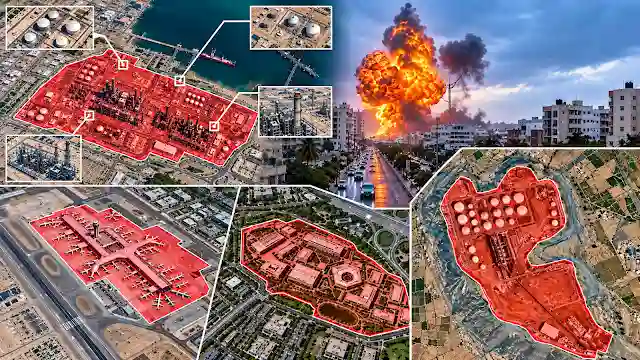
The sharpest escalation broke out directly across the Saudi capital. King Khalid International Airport in Riyadh faced major disruption to commercial flights following reports of incoming projectile strikes.
According to an investigative report by Reuters, the official Saudi warning systems stayed completely silent before the deadly airport blast. Usually, city sirens howl and mobile phones buzz with emergency alerts whenever an incoming strike is spotted. This time, travellers and desk staff got no warning. Reuters confirmed that thirteen people died right at the terminal, and dozens more ended up in intensive care units.
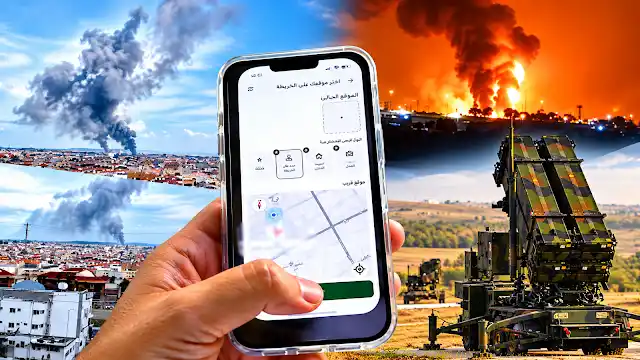
The missing warning siren left foreign workers and locals with plenty of tough questions. Military analysts say cheap suicide drones fly low through winding valley dips to dodge radar screens, giving ground batteries almost zero reaction time.
Commercial Airlines Cancel Flights to Key Saudi Hubs
International aviation authorities reacted quickly. Facing rising risks around domestic flight corridors, Indian carriers took immediate steps to protect passenger aircraft.
Indian carriers like IndiGo, Air India Express, and Akasa Air grounded flights into Saudi cities until 17 October, based on reports from NDTV World. The cancellation blocks easy travel into Riyadh, Jeddah, Dammam, and Madinah. Aviation safety boards are currently reviewing transit corridors to prevent commercial jets from crossing active air defence interception routes.
Diplomats in the West acted equally fast. Alerts from CBS News showed the UK Foreign Office and the US State Department telling their citizens to skip unnecessary trips to Riyadh and nearby border towns. The warnings directly cited suicide drone attacks near King Khalid International Airport and transport hubs.
Diplomatic Mobilisation and Cairo’s Security Guarantee
Crown Prince Mohammed bin Salman sat with senior cabinet members to look over recent air defence gaps, according to local briefings. State-run Al Arabiya said the Saudi Cabinet promised heavy military blowback against Houthi fighters for shelling public airports and oil sites.
Regional allies rallied behind the Kingdom almost immediately. Over in Cairo, Egyptian Foreign Minister Badr Abdelatty shared via Anadolu Agency that Egypt is fully prepared to provide whatever military help Saudi leaders request.
Turkish President Recep Tayyip Erdogan spoke with MBS over the phone, condemning the terminal hits and offering firm backing, according to Arab News. Over in Berlin, German Chancellor Friedrich Merz called out airport drone attacks publicly, urging talks before oil markets jump again.
Ground Clashes in Taiz and Port Bombardment in Hodeidah
Frontlines inside Yemen erupted into heavy fighting immediately afterward. Reports from Al Jazeera showed Yemeni army claims of killing or capturing roughly 1,200 Houthi fighters and wrecking 440 military lorries during clashes along internal frontlines.
However, the human cost on civilian communities continues to climb. Street-level shelling in Taiz left six locals dead and eighteen injured, Anadolu Agency reported, with medics treating hurt women and children in local wards.
Over near the Red Sea, Middle East Eye reported that coalition jets struck points near Hodeidah port, killing two people according to hospital staff. With fuel plants taking fire and warplanes flying daily runs, hopes for a peaceful truce look very bleak right now.
Assuming passenger air routes and crude depots will stay untouched while cross-border fighting flares up makes little sense. Unless border disputes and secret arms shipments are brought under control, civilian aircraft will keep steering clear and regional peace will remain fragile.
Common Queries
What took place at King Khalid International Airport during the attacks?
Reuters verified that inbound explosions struck passenger terminal areas in Riyadh, killing thirteen people after base sirens failed to warn people inside.
Which flight operators pulled out of Saudi Arabia?
NDTV World confirmed that Indian operators IndiGo, Air India Express, and Akasa Air suspended passenger trips into Riyadh, Jeddah, Dammam, and Madinah through 17 October.
How did regional allies respond to the attacks on Saudi infrastructure?
As detailed by Anadolu Agency and Arab News, Egypt pledged full security support to Riyadh, while Turkish President Erdogan and German leaders condemned the strikes during direct calls with Crown Prince Mohammed bin Salman.