Iran-US Conflict: Dollars, Hormuz & Negotiations
- Dollar Shipments to Iran, Currency Pressure and UK Energy Bills
- Strait of Hormuz Surveillance, Naval Standoff and Regional Security
- Chemical Weapons Claims, Nuclear Debates and UN AI Accusations
- Israeli Security Cabinet, US Public Opinion and Broader Alliances
- Frequently Asked Questions
- What did reports say about US dollar banknotes arriving in Iran?
- Why are British household energy bills projected to rise?
- How did Iran respond to accusations regarding chemical weapons?
- What did Iran’s ambassador to Italy say about negotiations and pressure?
Iran-US Conflict Update: Financial flows, energy shockwaves, and military warnings are colliding across the Middle East and beyond as tensions between Iran, the United States, and Israel remain high. Reports point to a mix of currency supply moves in Tehran, rising household power costs in Britain, security cabinet meetings in Israel, and intense diplomatic and military signaling across multiple fronts. Readers following ongoing international developments can explore more coverage at middle-east-updates.
Dollar Shipments to Iran, Currency Pressure and UK Energy Bills
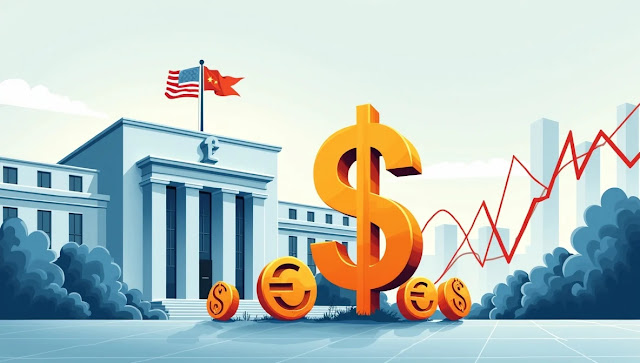
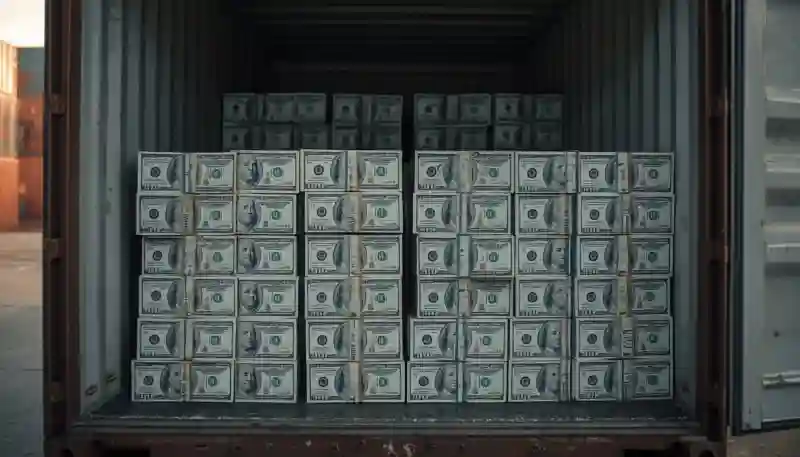
Economic pressure and currency shifts are drawing close attention alongside military developments. According to WANA and Iranian media outlets, a major shipment of US dollar banknotes entered Iran from a neighboring country as part of central bank efforts to boost foreign-currency supply and support the exchange market, with reports noting currency allocations rising from $2 billion to $3 billion. In the shared script and commentary, observers also speculate about how neighboring states or covert channels might handle cash transfers amid sanctions and regional risk, though independent verification of every diplomatic motive remains limited.
At the same time, Iranian President Masoud Pezeshkian acknowledged economic and sanctions-related difficulties during remarks in Razavi Khorasan Province while calling for national unity across all ethnic groups to defend the country. Outside the region, the fallout from Middle East disruptions is hitting household budgets as well. According to reporting by Insider Paper and AFP, British household energy bills are projected to jump by 26 percent starting in January amid wholesale energy market pressure tied to the conflict.
Strait of Hormuz Surveillance, Naval Standoff and Regional Security
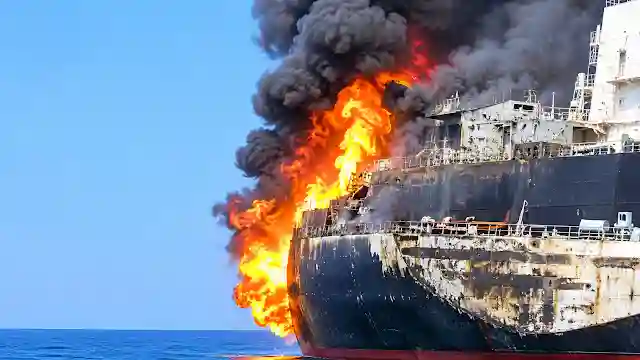
Maritime chokepoints and regional security remain central to the confrontation. According to reporting by Al Jazeera and Iran’s Fars news agency, Iran’s armed forces spokesman Mohammad Akraminia said Iran plans to tighten surveillance over the Strait of Hormuz and warned vessels attempting unauthorized transit against heightened risks as tanker attacks and naval friction continue.
Regional flashpoints are also shifting around neighboring states. According to reporting by Al Jazeera, US Central Command chief Admiral Brad Cooper praised Syrian security forces for confiscating weapons allegedly smuggled from Iran’s Islamic Revolutionary Guard Corps toward Lebanon. Meanwhile, statements from Iran’s Foreign Ministry condemned Israeli and US strikes in Lebanon and called for respect for international law and Lebanese sovereignty. Reports and shared commentary also point to heightened alerts, missile tests or drills, and clashes involving regional groups, requiring careful distinction between verified reports and unconfirmed claims.
Chemical Weapons Claims, Nuclear Debates and UN AI Accusations
Accusations over weapons programs and advanced military technology are adding another layer of friction. According to reporting by CBS News, Israeli Defense Minister Israel Katz accused Iran of developing chemical weapons and raised the prospect of preemptive action. Iranian Foreign Minister Abbas Araghchi rejected the accusation, saying Israel was trying to draw the United States into another war, while a diplomatic source reported by The Times of Israel said there was no clear intelligence showing imminent chemical weapons development.
Nuclear discussions are also appearing in international coverage. According to reporting by Ynet Global citing nuclear researchers and satellite imagery analysis, estimates suggest Israel holds around 90 suspected nuclear warheads alongside ongoing construction activity near Dimona, while Israel maintains its long-standing policy of nuclear ambiguity. Elsewhere, at the United Nations Security Council, Iran’s envoy Gholamhossein Darzi accused the United States of using artificial intelligence in attacks and urged UN governance over military AI use, according to reporting by Al Jazeera.
Israeli Security Cabinet, US Public Opinion and Broader Alliances
Political calculations inside both Israel and the United States continue to shape expectations around escalation and diplomacy. According to reporting by The Times of Israel, Prime Minister Benjamin Netanyahu planned to convene his security cabinet amid preparations tied to a potential military operation involving Iran and warnings of surprise attacks. In the United States, a survey by the University of Maryland and Ipsos reported by Al Jazeera found that 55 percent of Americans want the conflict with Iran to end immediately, highlighting domestic debate over war costs and funding.
Diplomacy has not completely stalled despite harsh rhetoric. According to reporting by Al Jazeera citing ISNA, Iran’s ambassador to Italy Ali Akbar Rezaei said Tehran remains committed to diplomacy and peace but will not bow to pressure or surrender. Beyond the immediate Middle East theater, reports also note Britain taking extra precautions around warplanes and bases against drone threats, according to CBS News; legal and sanctions pressure involving Huawei over technology and Iran trade, reported by Dainik Bhaskar; and reports citing sources on North Korean specialists assisting with missile launch systems inside underground sites reported by Ynet Global. Together, these moving pieces show a crisis where financial moves, energy costs, and military posturing are closely intertwined.
Frequently Asked Questions
What did reports say about US dollar banknotes arriving in Iran?
According to reporting by WANA and Iranian media outlets, a large shipment of US dollar banknotes arrived in Iran from a neighboring country to support foreign currency supply and manage the exchange market.
Why are British household energy bills projected to rise?
British household energy bills are set to jump 26% from January, Insider Paper and AFP report, as Middle East conflict drives energy market shocks.
How did Iran respond to accusations regarding chemical weapons?
According to reporting by CBS News, Iranian Foreign Minister Abbas Araghchi dismissed the claim and accused Israel of trying to push the United States into another war. At the same time, a diplomatic source reported by The Times of Israel said no clear intelligence indicated imminent chemical weapons development.
What did Iran’s ambassador to Italy say about negotiations and pressure?
According to reporting by Al Jazeera citing ISNA, Ambassador Ali Akbar Rezaei stated that Tehran supports diplomacy and peace efforts but will not surrender or yield to pressure.