Iran-US Conflict Update: Hormuz Tensions and Diplomacy

Strait of Hormuz Pressure, Blockade Standoff and Regional Fallout
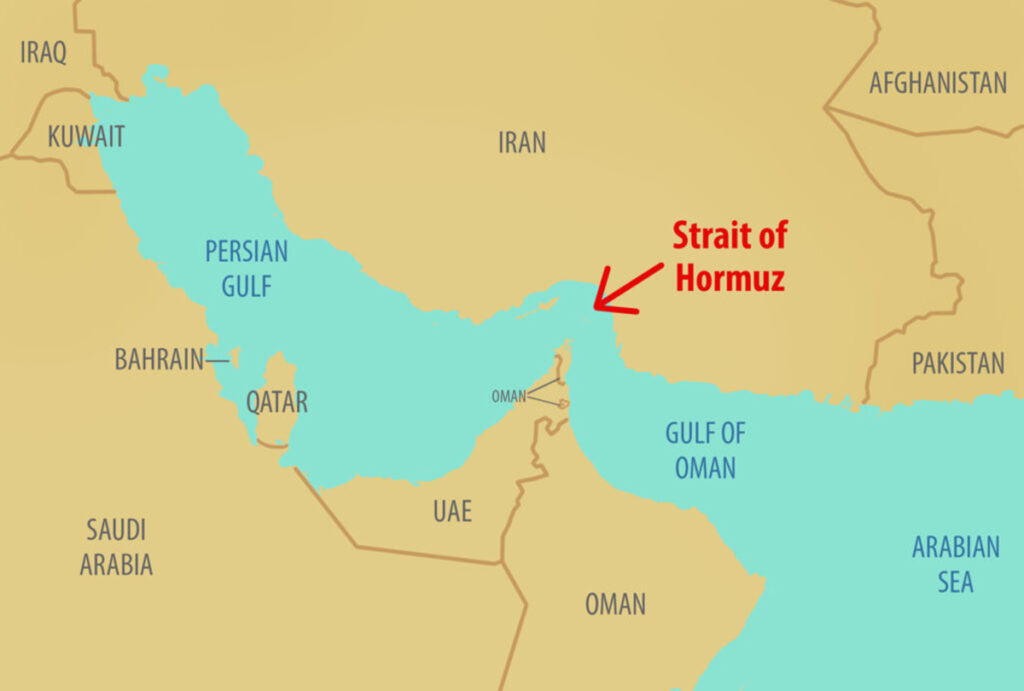
Look at the Strait of Hormuz first, because maritime traffic and energy flows sit at the center of this crisis. According to Al Jazeera reporting, tankers crossing the Strait of Hormuz have faced heightened risks amid the US naval blockade and escalating maritime tension, pushing oil traffic down 40 percent. Meanwhile, according to reporting by Telangana Today citing the Associated Press, Iranian officials stated that the Strait of Hormuz will remain closed until seven conditions are met.
To be fair, the broader Gulf region is feeling the economic and security strain of this maritime squeeze. According to reporting by The Wall Street Journal, Bahrain is facing heavy pressure tied to regional conflict and its close ties with the United States. At the same time, according to reporting by Al Jazeera, the US State Department called on American citizens in the Middle East to remain vigilant as security risks fluctuate across the region.
Iranian officials continue to push back hard against blockade pressure and military threats. According to reporting by CBS News, Major General Ali Abdollahi of Iran’s armed forces said US forces would remain within range of Iranian forces even if relocated to more distant areas in the region. Separate reporting by The Times of Israel, citing the Associated Press, noted warnings that Iran could shift the geographical scope of the conflict if provoked, while senior Iranian figures have emphasized that Tehran will not accept a blockade without pushing back.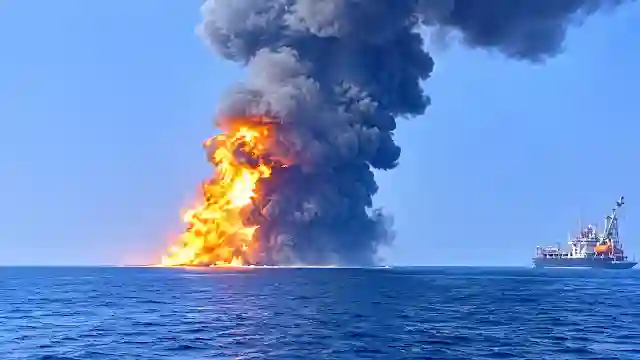
Negotiation Conditions, Diplomacy and Major Power Moves
While military rhetoric stays sharp, diplomatic channels and economic lifelines are running on parallel tracks. According to reporting by APA, Iranian President Masoud Pezeshkian stated that Iran is negotiating with the United States while insisting that Tehran will not surrender. However, according to reporting by Investing.com, Iranian officials have indicated that talks with Washington depend on meeting seven conditions.
Outside the region, major powers are actively engaging with both sides. According to reporting by Al Jazeera citing ISNA, Iranian Energy Minister Abbas Aliabadi traveled to China for talks with Chinese trade and financial officials, with Beijing serving as a key economic partner and buyer of Iranian oil. Meanwhile, according to reporting by Al Jazeera, Qatar’s Foreign Ministry stated that Qatari Prime Minister Sheikh Mohammed bin Abdulrahman Al Thani met with US Vice President JD Vance in Washington to discuss efforts aimed at de-escalating regional tensions, supporting freedom of navigation, and working toward regional stability.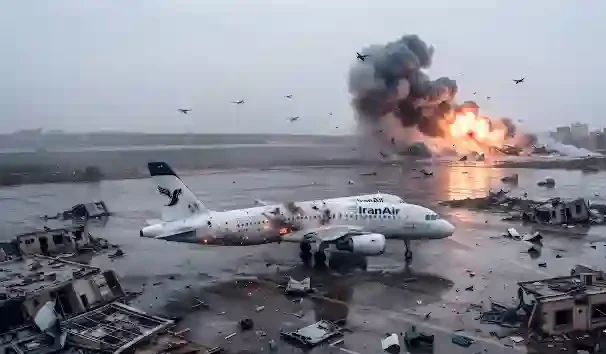
Debates Over Strikes, Leadership Targeting and Political Timing
In Washington and Jerusalem, internal discussions over military strategy and political timing remain closely watched. According to reporting by NBC News, officials within the Trump administration have debated whether targeting senior Iranian leaders could help end the conflict or instead harden resistance inside Iran, with no final decision announced. Separately, according to reporting by The Times of Israel, sources said Mossad chief Roman Gofman lobbied for fresh US-Israeli strikes on Iran during meetings in Washington.
Political debate over the war’s timeline and funding is also heating up inside the United States. According to reporting by Al Jazeera, President Donald Trump told the New York Post that the campaign against Iran is funded through January and warned congressional Democrats against trying to halt it prematurely. At the same time, according to reporting by Firstpost, US envoy Mike Huckabee stated that Trump is ready to resume strikes on Iran if diplomatic efforts fail.
To be fair, warnings over weapons claims and defensive readiness continue to shape the public narrative. According to reporting by CBS News, Israeli Defense Minister Israel Katz accused Iran of developing chemical weapons and warned of a possible preemptive strike, a claim Iranian officials have previously rejected as a recycled narrative. Meanwhile, according to reporting by The Wall Street Journal and Reuters, the Pentagon has held talks with automakers including General Motors and Ford regarding potential military drone production support.
Cybersecurity Breach, Sanctions Bounty and Spillover Effects
Beyond physical military planning, financial and digital fronts are also active. According to reporting by WION, the United States announced a 15 million dollar reward for information related to Iran’s IRGC shadow banking network as part of broader financial pressure. In another development reported alongside intelligence coverage, an unclassified open-source intelligence network linked to the CIA and ODNI experienced a cybersecurity breach. However, officials indicated classified systems were not compromised.
The standoff is even affecting broader global defense supply chains. According to reporting by the Financial Times, the Pentagon delayed approval for delivering around 60 Patriot air defense interceptors intended for Ukraine as strain on US stockpiles tied to the Iran conflict weighed on decisions. Taken together, falling Hormuz oil traffic, firm negotiation preconditions, high-level diplomacy, and ongoing strike debates show a conflict where every move carries immediate consequences across markets and alliances.
Frequently Asked Questions
Why has oil traffic in the Strait of Hormuz dropped recently?
According to reporting by Al Jazeera, oil traffic through the Strait of Hormuz has fallen by 40 percent amid heightened maritime risks, tanker attacks, and confrontation surrounding the US naval blockade.
What did Iranian President Masoud Pezeshkian say about talks with the United States?
According to reporting by APA, Pezeshkian said Iran is negotiating with the United States while making clear that Tehran will not surrender.
What reward did the US announce regarding Iran’s financial networks?
According to reporting by WION, the United States offered a reward of up to 15 million dollars for information on Iran’s IRGC shadow banking network.
How has the Iran conflict affected Patriot interceptor deliveries to Ukraine?
According to reporting by the Financial Times, approval for roughly 60 Patriot interceptors for Ukraine was delayed as concerns over US stockpiles amid the Iran conflict affected decisions.