Middle East Tensions Rise as Gulf Shipping and Energy Supplies Come Under Pressure
In this latest Middle East crisis update, tensions across the region are becoming increasingly difficult to predict. On 12 September 2026, much of the attention is centred on the Strait of Hormuz, Qatar’s energy supplies and the latest diplomatic activity in New Delhi. At the same time, concerns over cyber operations, LNG shipments and shipping routes are adding to the pressure.
The statements coming from Washington, Tel Aviv and Tehran have become increasingly strong. But what is happening around the Gulf tells a more complicated story. Energy companies, shipping operators and governments are all trying to prepare for the possibility that the situation could worsen.
Middle East Crisis: Qatar’s energy supplies face fresh uncertainty
The energy market has been particularly unsettled over the last two days.
US security officials are reportedly examining claims that foreign defence groups used commercial cloud services and publicly available AI tools to get around technology restrictions. The systems were allegedly used to support reconnaissance work. (Reuters)
There are also reports that Qatar has discussed buying LNG cargoes from American suppliers on the spot market. Qatar is one of the world’s biggest LNG exporters, so reports that it may need additional supplies have attracted attention. The discussions are reportedly linked to problems affecting regional processing and supply arrangements. (Financial Times)
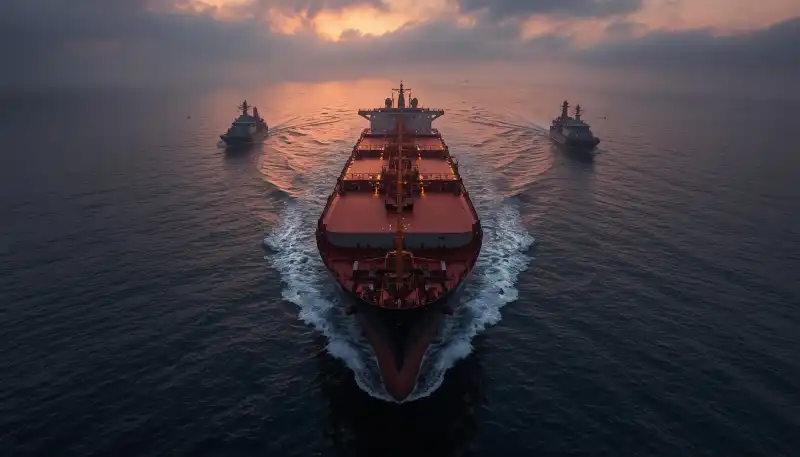
The shipping situation is another concern. Analysts say that a serious disruption around the Strait of Hormuz or the Gulf of Oman could make it much harder to maintain LNG deliveries to customers in Europe and Asia. Existing long-term contracts could also come under pressure. (Bloomberg)
Insurance costs are rising as well. Commercial insurers have expanded the areas they regard as high risk in the Persian Gulf, meaning operators of fuel carriers may now have to pay more to use some of these routes. (The Wall Street Journal)
For the wider energy market, even a relatively short disruption could therefore have consequences well outside the Gulf.
Diplomacy continues behind the scenes
Despite the military tensions, diplomatic contacts have not stopped.
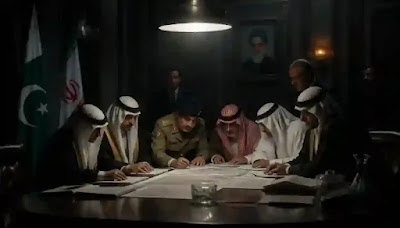
Officials from several Gulf countries have been holding informal discussions in Muscat, Oman. One of the main concerns is keeping commercial vessels moving safely through important coastal routes. (Al Jazeera)
Iranian officials have also spoken about damage assessments involving military logistics facilities in the region, including naval infrastructure in Bahrain. (Associated Press)
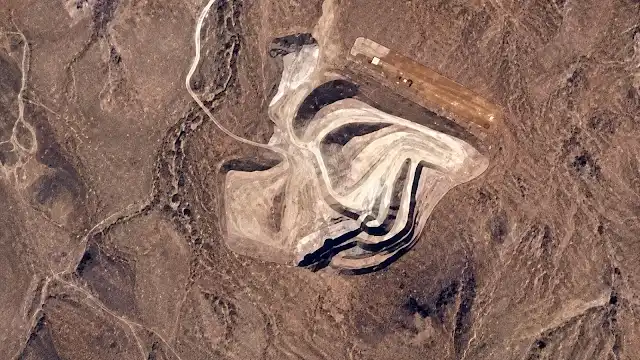
Iran’s nuclear programme remains another issue being closely watched. Iranian diplomatic officials have said that International Atomic Energy Agency inspectors are preparing for scheduled verification visits at the Bushehr civilian nuclear facility. (Reuters)
South Korea has also repeated its position on the Strait of Hormuz. Seoul does not currently intend to send naval forces to multinational maritime operations in the contested area. (The Korea Herald)
Modi and Pezeshkian discuss the Strait of Hormuz
The BRICS meeting in New Delhi has given regional governments another opportunity to talk while tensions remain high.
Indian Prime Minister Narendra Modi met Iranian President Masoud Pezeshkian during the gathering. India stressed the importance of keeping the Strait of Hormuz open to international shipping and called for dialogue rather than further escalation. (The Hindu)
Pezeshkian took a different tone at a business forum, warning that economic sanctions and continued military pressure could make the regional security situation even worse. (Press TV)
These discussions are taking place while military activity continues elsewhere.
In southern Lebanon, the Israel Defense Forces have carried out strikes and said that military positions will remain in place until the required border buffer areas are secured. (The Times of Israel)
Britain has also clarified its trade restrictions. According to the BBC, the measures concern certain goods produced in settlements in the West Bank, East Jerusalem and the Golan Heights. (BBC News)
Frequently Asked Questions
What did Narendra Modi discuss with Masoud Pezeshkian?
Modi and Pezeshkian discussed regional security and stability during their meeting in New Delhi. India also stressed the importance of keeping shipping through the Strait of Hormuz safe and unrestricted.
Why is Qatar reportedly looking to buy LNG?
Reports suggest that difficulties affecting regional energy processing have led Qatari companies to consider short-term LNG purchases from overseas suppliers. The aim would be to manage export commitments if local supplies are temporarily affected.
What is happening with IAEA inspections at Bushehr?
Iranian officials have said that IAEA inspectors are expected to make scheduled verification visits to the Bushehr civilian nuclear facility. The visits relate to the agency’s monitoring of Iran’s declared nuclear activities.
Is South Korea sending warships to the Strait of Hormuz?
No. South Korean officials have indicated that Seoul does not currently plan to send naval vessels to multinational patrol operations in the Strait of Hormuz.
Which areas are covered by the UK’s trade restrictions?
The restrictions cover certain commercial goods produced in settlements in the West Bank, East Jerusalem and the Golan Heights.
What happens next?
There is no single issue driving the crisis at the moment. Military activity is one part of it, but energy supplies, shipping insurance, technology restrictions and diplomacy are all becoming important at the same time.
The Strait of Hormuz remains the biggest concern for international energy markets. A major interruption there could affect fuel deliveries well beyond the Gulf.
For now, the talks involving India and Iran show that diplomatic channels are still open. Whether they can actually reduce tensions is another question.
Much will depend on what happens over the next few days. If shipping continues normally and governments keep talking, the pressure may remain manageable. But another military escalation around the Gulf could quickly change the picture for energy markets, commercial shipping and the wider region.