Iran-US Conflict: Kuwait, Hormuz & Gas
- Iran-US Conflict Update: Kuwait Incident, Strait of Hormuz Mines, Iran-Turkey Gas Deal, and Regional Tensions
- Kuwait Drone Incident, Diplomatic Denials and Competing Claims
- Strait of Hormuz Mines, Naval Control Claims and Energy Lifelines
- Washington, NATO, Israel and Shifting Political Signals
- Regional Media Scrutiny and Book Excerpts on Gulf Politics
- Frequently Asked Questions
- How did Iran respond to the drone incident in Kuwait that killed two Italian citizens?
- What was reported about the Iran-Turkey natural gas agreement?
- What did the IRGC Navy chief say about the Strait of Hormuz?
- What was highlighted in recent reporting involving Trump, NATO, and Israel?
Iran-US Conflict Update: Kuwait Incident, Strait of Hormuz Mines, Iran-Turkey Gas Deal, and Regional Tensions
Iran-US Conflict Update: Diplomatic exchanges, maritime warnings, energy agreements, and competing narratives are unfolding rapidly across the Middle East and beyond. Recent reports point to a suspicious drone strike in Kuwait that killed two Italian citizens, renewed warnings and sea mine incidents in the Strait of Hormuz, a natural gas agreement extension involving Iran and Turkey, cyberattack reports in Israel, and high-level discussions linking Washington, Brussels, and regional capitals. Readers following ongoing international developments can explore more coverage at https://marqzy.in/middle-east-updates/.
Kuwait Drone Incident, Diplomatic Denials and Competing Claims
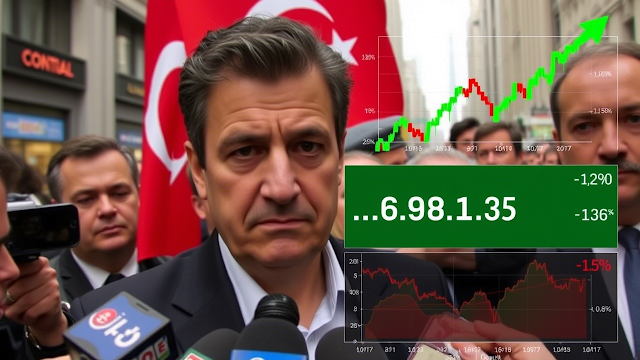
Attention has focused sharply on Kuwait after a drone strike hit a vital site and killed two Italian technicians while injuring others, drawing immediate diplomatic contact and conflicting commentary. According to reporting by News On Air and East Asia WorldView, Iran denied involvement in the Kuwait drone attack, with Iranian Foreign Minister Seyed Abbas Araghchi speaking to his Italian and Kuwaiti counterparts, expressing condolences, calling the incident suspicious, and offering cooperation to determine what happened. In social media commentary and the shared script, figures such as Seyed Mohammad Marandi and other commentators described the episode as a possible false-flag move or raised allegations involving Ukrainian or outside operatives and broader geopolitical motives, though those claims remain unverified and contested.
Regional security incidents have also appeared across neighboring areas. According to reporting by News On Air, operations at Saudi Arabia’s Jazan oil refinery were temporarily halted after an aerial projectile caused a fire, with a Nepalese worker killed and others injured. Meanwhile, statements and reports surrounding Lebanon, Syria, and Iraq highlight ongoing disputes over strikes, arms transfers, and armed groups. According to reporting by Al Jazeera, Iraqi armed groups backed by Iran have indicated readiness to retaliate against US assets in the region if Washington launches new attacks on Iran, while diplomatic contacts between Tehran, Baghdad, Qatar, and Pakistan continue.
Strait of Hormuz Mines, Naval Control Claims and Energy Lifelines
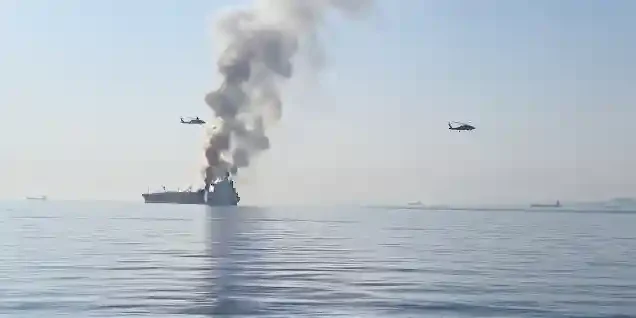
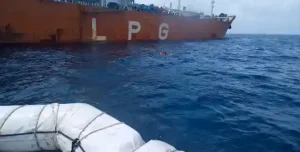
Maritime shipping through the Strait of Hormuz remains one of the most volatile flashpoints in the crisis. According to reporting by Al Jazeera and Tasnim News Agency, IRGC Navy Commander Ali Ozmaei stated that the Strait of Hormuz is under Iran’s complete control and warned that safe passage through the waterway depends entirely on respecting Iran’s legitimate sovereignty. Separate reporting by CBS News noted Iranian claims that two non-compliant oil tankers caught fire after hitting naval mines in the Strait of Hormuz, while another CBS News report confirmed that the body of a Jordanian sailor missing after an earlier vessel attack in the strait was found off the coast of the United Arab Emirates.
At the same time, energy trade and economic endurance are shaping decisions around Tehran. According to reporting by Ground News and regional energy outlets citing Turkish sources, Iran and Turkey renewed their long-term natural gas contract under which Tehran supplies 10 billion cubic meters of gas annually to Turkey, offering a major economic lifeline despite Western sanctions pressure. In the shared script and earlier updates, commentators have also highlighted large dollar shipments entering Iran to support currency supply, domestic infrastructure projects like the Mashhad metro line continuing alongside military readiness, and rising household energy costs in countries like Britain.
Washington, NATO, Israel and Shifting Political Signals
High-level diplomacy and domestic political debates in the United States and Israel are also influencing expectations around escalation. According to reporting by Anadolu Agency and international coverage, US President Donald Trump and NATO Secretary General Mark Rutte held talks discussing the Russia-Ukraine war, the conflict in Iran, and alliance defense spending. Reports in Israeli media, including The Jerusalem Post, have also pointed to White House efforts to arrange a meeting with Israeli political figure Gadi Eisenkot once a new government is formed.
At the same time, military and cyber warnings around Israel remain intense. According to reporting by Asia Business Daily, Trump has held off on launching an attack on Iran until Israel forms its new government, even as Al Jazeera reported an Israeli military spokesperson stating that Israel is ready to attack Iran independently without the United States. Separately, social media and regional reports pointed to a massive cyberattack targeting Israel’s electrical grid that caused power outages across several cities, while experts warned in Roya News coverage that Iran and Russia could cooperate on covert operations in Europe.
Regional Media Scrutiny and Book Excerpts on Gulf Politics
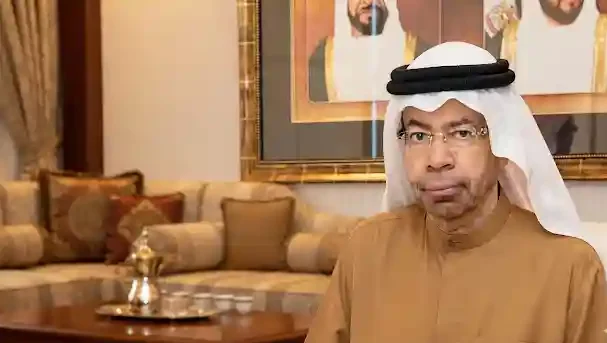
Alongside current diplomatic maneuvering, excerpts from investigative author Matthew Cole’s book, Princes and Thieves: Jared Kushner and Mohamed bin Zayed’s Secret Plot to Remake the Middle East, have resurfaced in regional commentary. The cited passages discuss behind-the-scenes Gulf diplomacy and revisit past human rights controversies in the United Arab Emirates, including accounts surrounding Emirati poet and writer Tarek Al-Sayegh, who was reportedly detained and died in custody after criticizing normalization policies in his writings. While these excerpts reflect historical reporting rather than events from this week, commentators have pointed to them to highlight long-running debates over dissent and regional alliances in the Gulf.
Across the broader diplomatic map, reports indicate ongoing outreach involving regional and international partners. According to reporting by Al Jazeera and regional outlets, Iranian Foreign Minister Abbas Araghchi held discussions with Pakistani Foreign Minister Mohammad Ishaq Dar regarding regional developments and mediation efforts by Qatar and Pakistan, while South Korea assured Tehran that it will not join any US military aggression in the region. Taken together, these developments show a conflict shaped simultaneously by maritime chokepoints, energy deals, cyber incidents, and competing political narratives.
Frequently Asked Questions
How did Iran respond to the drone incident in Kuwait that killed two Italian citizens?
According to reporting by News On Air and East Asia WorldView, Iran denied involvement in the attack, while Foreign Minister Seyed Abbas Araghchi expressed condolences to Italian and Kuwaiti officials, called the incident suspicious, and offered cooperation to investigate its cause.
What was reported about the Iran-Turkey natural gas agreement?
According to reporting by Ground News and regional energy coverage, Iran and Turkey renewed their contract for Tehran to supply 10 billion cubic meters of natural gas annually to Turkey despite sanctions pressure.
What did the IRGC Navy chief say about the Strait of Hormuz?
According to reporting by Al Jazeera and Tasnim News Agency, IRGC Navy Commander Ali Ozmaei said the Strait of Hormuz is under Iran’s complete control and safe passage depends on respecting Iran’s sovereignty.
What was highlighted in recent reporting involving Trump, NATO, and Israel?
According to reporting by Anadolu Agency, The Jerusalem Post, and Asia Business Daily, Trump discussed Iran and Ukraine with NATO Secretary General Mark Rutte, while the White House explored a future meeting with Gadi Eisenkot and held off on immediate military action pending Israel’s government formation.