Iran-US Conflict: Moscow’s Role in the 2026 Standoff
- Iran-US Conflict: Moscow’s Role—Arms Deals, Gulf Tanker Fires, and Shifting Nuclear Dynamics
- Moscow Rolls Out the Red Carpet for Tehran
- Energy Realities Shift as Nuclear Talk Heats Up
- Washington Debates Military Action Amid Domestic Blowback
- Danger Along the Strait of Hormuz and Global Trade Crackdowns
- Frequently Asked Questions
Iran-US Conflict: Moscow’s Role—Arms Deals, Gulf Tanker Fires, and Shifting Nuclear Dynamics
Things around the Persian Gulf have hit another dangerous rough patch this week. While a long list of Western capitals keeps trying to isolate Tehran, Moscow seems keen on playing by its own playbook. Between high-level visits in Russia, exploding sea mines near the Strait of Hormuz, and open political bickering inside Washington, the whole region feels like a powder keg waiting for a match. For ongoing regional context, readers can track our detailed archive. Here is the actual ground reality behind what just went down across the key flashpoints.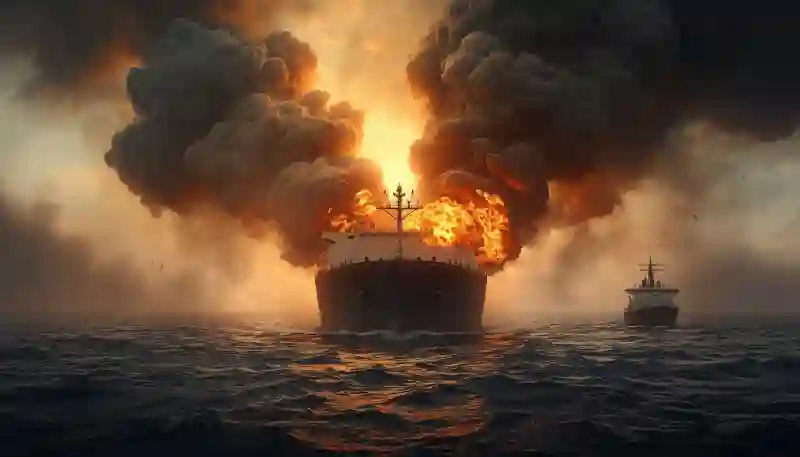
Moscow Rolls Out the Red Carpet for Tehran
Iranian defense and intelligence chiefs did not just make a quiet courtesy stop in Moscow; they sat down directly with Vladimir Putin. Official talks focused on regional security and long-term energy corridors, but the defense chatter tells a different story. Leaked defense industry papers cited by The Guardian show Russia signed off on supplying Iran with roughly 90 helicopter missile launchers. While deliveries have not been pinned to specific public dates, the military message itself was crystal clear to outside analysts.
On top of hardware, Iranian forces continue working closely with Russian satellite networks. They have been active in running electronic warfare gear, jamming commercial GPS coordinates, and blinding outside surveillance over their borders. For anyone monitoring the skies, it is obvious that the security handshake between Tehran and Moscow runs far deeper than routine trade diplomacy.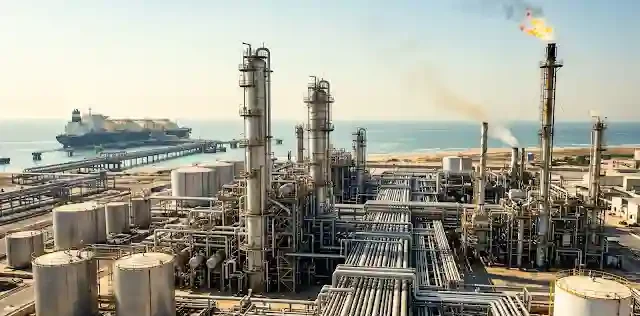
Energy Realities Shift as Nuclear Talk Heats Up
The constant drumbeat of conflict is quietly shaking up global fuel markets in unexpected ways. To read more about regional supply disruptions, check out our coverage. Take Qatar, for instance. Long known as a global LNG titan, Reuters pointed out that Qatar has been locking in massive long-term deals with American gas suppliers. Industry projections suggest Doha could end up becoming the largest buyer of US liquefied natural gas by 2033. That marks a significant strategic shift as Gulf producers hedge against shipping disruptions.
Meanwhile, inside Iran, public patience is wearing thin. Fresh public surveys and local chatter reveal that more Iranians than ever now openly support building an atomic weapon just to keep foreign strikes at bay. Even as clerics debate their past pledges, backchannel talks have not stopped completely. Mediators from Qatar have reportedly been running messages between Washington and Iranian officials, trying to push through concrete proposals before diplomatic doors slam shut.
Washington Debates Military Action Amid Domestic Blowback
Inside the Beltway, the political debate has turned chaotic. The Pentagon and regional commanders have reportedly drafted short, intensive strike plans, while CNN highlighted earlier defensive strikes near Qeshm Island aimed at neutralizing surface-to-air threats. Yet political leaders cannot agree on the long-term endgame. Vice President JD Vance has openly pushed back against military escalation, questioning foreign advice and warning that getting entangled in an expanded war would backfire directly on American voters.
Capitol Hill is seeing its own share of fireworks. Lawmakers like Thomas Massie have threatened to force impeachment votes against defense leaders if aggressive military operations proceed without Congressional approval. At the same time, newly elected lawmakers like Senator Abdul pointed out what regular drivers already see: persistent tension in the Gulf inflates fuel costs right at the local fuel pump. Surprisingly, amidst the war talk, the Associated Press reported that US and Iranian officials still managed quiet talks regarding the deportation of irregular migrants.
Danger Along the Strait of Hormuz and Global Trade Crackdowns
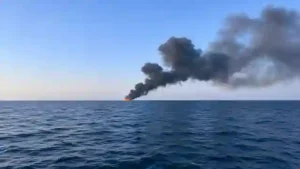
Out on the water, the maritime corridor is turning into a high-stakes hazard zone. Iranian naval authorities confirmed that two commercial tankers caught fire after hitting naval mines while navigating sensitive waters near the Strait of Hormuz. Senior Iranian commanders personally inspected coastal posts in speedboats, issuing strict warnings against unauthorized shipping routes. In neighboring Iraq, the Prime Minister told Washington that Iraqi airspace and territory must never be used as a launchpad for regional attacks.
To read more about global economic penalties, explore our analysis. Washington recently imposed sweeping restrictions on maritime networks, including actions against companies accused of facilitating covert trade for Iranian oil vessels. Meanwhile, international navies are stepping up their presence; South Korea announced plans to deploy naval forces to the Strait of Hormuz to safeguard civilian trade convoys from escalating security risks.
Frequently Asked Questions
Why did Moscow agree to send missile launchers to Iran?
Leaked documents reported by The Guardian confirm an agreement for 90 helicopter-mounted missile launchers, reflecting deeper military collaboration between Russia and Iran.
What caused recent oil tanker blazes near Hormuz?
Regional naval reports indicate two commercial vessels caught fire after striking naval mines inside restricted routes near the Strait of Hormuz.
Why is Qatar buying large volumes of American gas?
Industry data shared by Reuters shows Qatar is hedging against regional chokepoints by securing long-term US LNG contracts through 2033.