Middle East regional conflict: Indian Pilgrims Hit
Middle East regional conflict Indian pilgrims: Covert Intelligence Pacts, and the Truth Behind Arab Diplomacy
Nobody in the Gulf is pretending things are normal anymore. Whatever peace the region had managed to hold on to over recent days has now crumbled. What began as routine border arguments turned into armed drones slamming into airport lounges, urgent flights scrambling to pull people out, and politicians openly letting slip what they actually care about when cameras look away.
Pilgrims Stranded as Flight Schedules Fall Apart
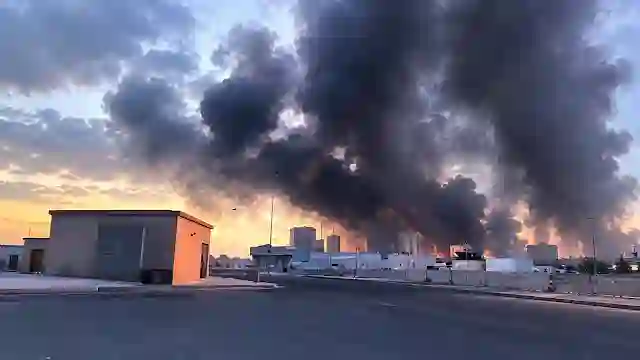
The immediate fallout hit ordinary families back home in India. As soon as siren alerts sounded and air corridors shut down, daily operations for carriers like IndiGo and Air India took a massive hit. Unexpected cancellations disrupted travel plans for thousands of Indian Umrah pilgrims, forcing them to wait in overcrowded departure halls across Saudi Arabia. Ticket counters turned chaotic, standard rebooking prices jumped through the roof, and people had to drag their luggage across regional highways just to find any terminal still letting planes take off.
Officials in New Delhi had to jump into damage control straight away. MEA spokesman Randhir Jaiswal confirmed that Indian diplomatic missions in Riyadh and Jeddah got on the phones directly with regional airlines and tour groups. Over this past week, they managed to put roughly 3,000 stranded pilgrims on available planes home, along with another 10,000 travellers who already had tickets in hand. Round-the-clock help desks and emergency lines were opened across Saudi consulates so anxious relatives back home could track their folks.
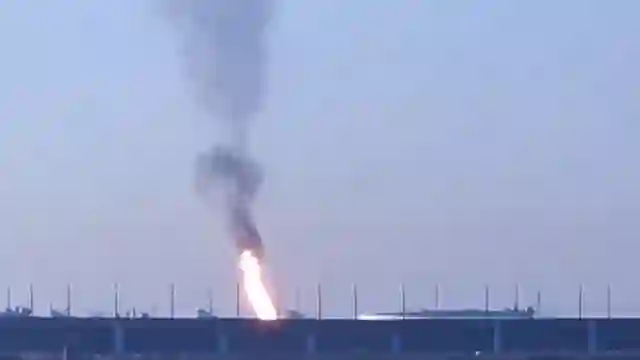
The worry got very real once strikes hit civilian gates. News confirmed by WION reported that an aerial drone hit King Fahd International Airport in Dammam, killing an Indian citizen on the spot and badly injuring three others. India’s external affairs office came out hard against the attack, saying openly that blowing up civilian infrastructure like airports is completely unacceptable under any rulebook.
Chaos on the Water and Coalitions Backing Out
Things didn’t look any calmer down along the southern end of the Red Sea. Military spokesman Yahya Saree went public claiming coalition shells struck an Indian yacht right off Zuqar Island, saying fourteen crew members took heavy shrapnel hits before their units pulled them out of the water. Neither authorities in New Delhi nor officials in Riyadh confirmed the incident took place, but just the report itself shows how sketchy commercial navigation has become around those waters.
Over in Tehran, commanders did everything they could to dodge direct blame. As reported on Al Jazeera, Iran’s Supreme National Security Council made it very clear that local armed movements run their own game. They insisted Tehran does not hand down marching orders for attacks around the Bab al-Mandeb strait.
Meanwhile, Cairo made a sudden step backwards. Egyptian Foreign Minister Badr Abdelatty went before reporters and pushed for a negotiated political truce between Riyadh and Sanaa, backing away from earlier loud promises about sending troops or fighter jets into a dusty foreign combat zone.
Backroom Intelligence and What Politicians Really Think
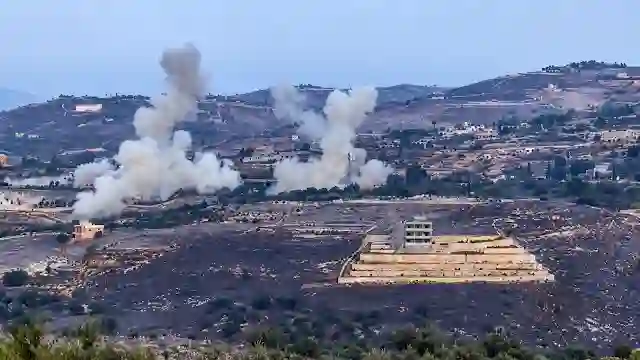
Away from the televised press briefings, the intelligence pipeline tells a radically different story. Fresh details published by The Jerusalem Post revealed Israeli military intelligence has been feeding satellite coordinates and surveillance targeting to help direct air operations against launch bunkers. On paper, these governments have had zero formal relations, but when local perimeters get threatened, operational data gets swapped behind closed doors without hesitation.
The political mask came off completely during a recent podcast sit-down with Benjamin Netanyahu. Asked about Arab capitals publicly refusing any normalisation deal without a real Palestinian state on the table, Netanyahu brushed it aside as pure theatre. He claimed public statements are just used to settle domestic protests, arguing that ruling leaders across the region are mostly preoccupied with keeping their own chairs safe rather than sorting out the Palestinian question.
That interview set off tempers elsewhere too, especially after Netanyahu claimed foreign internet networks were pushing antisemitic bot campaigns, which prompted a very blunt response from Moscow, where Russian diplomats stated they were utterly shocked by the allegation. While high-level officials swap secret intel and trade barbs on television, ordinary pilgrims, migrant workers, and daily commuters are the ones left ducking for cover on the ground.
Common Questions on the Ground
What caused so many Indian pilgrims to get stuck in Saudi Arabia?
Commercial airlines got hit by repeated siren warnings and sudden airspace restrictions across Saudi routes. Air India, IndiGo and other major airlines were forced to scale back or delay flights unexpectedly, leaving thousands of regular Umrah pilgrims stranded in overcrowded airports with little clarity about when they could travel or find any working route home.
How many travellers has India managed to bring home so far?
External affairs spokesman Randhir Jaiswal said diplomatic teams in Riyadh and Jeddah jumped into direct talks with carriers and local agents. They managed to move around 3,000 stranded pilgrims back to India on available planes over the past week, on top of coordinating travel for another 10,000 people who already had bookings.
Did any Indian citizens lose their lives in the airport strikes?
Yes. An aerial drone hit King Fahd International Airport in Dammam, killing one Indian worker and injuring three others on site. New Delhi slammed the incident immediately, calling attacks on passenger hubs totally unacceptable.
Is Egypt actually sending soldiers to fight in Yemen?
No, Cairo drew the line very clearly. Egyptian Foreign Minister Badr Abdelatty went public calling for a negotiated political deal between Riyadh and Sanaa instead, ruling out any offensive military push into Yemeni territory.
What did Netanyahu claim during his podcast interview?
Netanyahu argued that public talk from Arab leaders demanding a separate Palestinian state is just theatre meant to calm down domestic crowds. Behind closed doors, he claimed, regional governments care far more about protecting their own seats and holding on to power.