Middle East Regional Conflict Escalates: Bases Shift
Middle East Flashpoint: Sirik Hits, Quiet Base Evacuations, and Regional Lines Drawn
As the Middle East regional conflict intensifies, anyone looking across the Gulf right now can tell the quiet phase of this standoff is completely over. What started as localized border scuffles has broken wide open into a multi-front mess involving critical energy terminals, commercial flight paths, and sudden military moves across half a dozen nations.
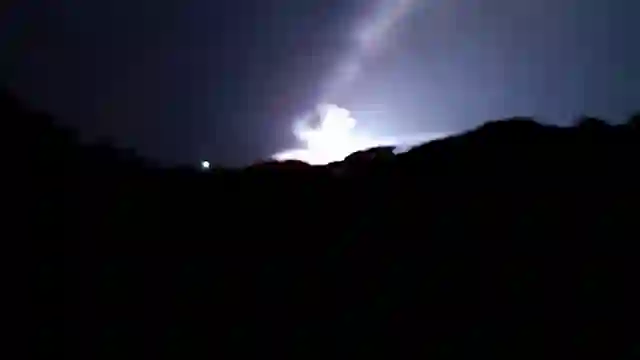
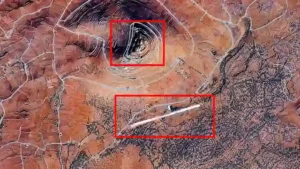
Tensions first erupted into open conflict in southern Iran. Loud blasts rocked through the coastal district of Sirik right along the Hormozgan coastline, shaking homes and catching local patrols off guard. Straight up, Sirik isn’t just empty sand. It serves as a major hub for anti-ship missile stations and heavy radar eyes watching maritime traffic through key straits. Tehran kept quiet and declined to issue huge public statements, but to be fair, nobody on the ground thinks those explosions happened by pure accident.
Right as those blasts hit, Western defense networks made immediate moves. According to reporting by NBC News, the United States directed the urgent evacuation and quiet pullback of non-essential diplomats and military staff from vulnerable regional posts. Precautionary relocations quickly spread across operational sites in Jordan and Qatar as well. Plainly speaking, Washington saw the writing on the wall and wanted extra boots out of the blast radius before any incoming counter-fire started landing.
British Typhoons Land as Dammam and Oil Hubs Take Direct Hits
Across the water, the United Kingdom stepped straight into the mix. As detailed by Al Jazeera, Royal Air Force Typhoon fighter jets were deployed directly to Saudi Arabian air bases to shore up the kingdom’s air defense grid. London has had military ties with Riyadh for generations, but bringing fast combat jets right now has only one real purpose: hunting down suicide drones and fast-moving cruise missiles before they smash into industrial plants.
The threat was proven real almost immediately. According to an official statement released by Saudi Arabia’s General Authority of Civil Aviation, a drone strike hit King Fahd International Airport in Dammam. The impact killed one resident, injured multiple individuals, and smashed through airport structures before emergency crews locked down the site.
At the same time, air defense batteries scrambled to stop projectiles heading straight for Aramco facilities near Shaybah. While air defense missiles intercepted the incoming hardware, heavy burning wreckage crashed right onto a ground operations facility, according to coverage by The Hindu. Two workers, a Saudi citizen and a Filipino national, died at the scene, with several others suffering serious injuries.
Allies Offer Defence but Refuse to Touch Yemen
Look, Riyadh’s diplomatic partners talk a very big game about Islamic unity, but ground reality paints an entirely different picture.
Pakistan has soldiers stationed on Saudi soil under past security arrangements, but leaders in Islamabad made their boundaries clear right away: their troops will guard Saudi soil, but they will never participate in offensive air raids or ground pushes into Yemen.
Egypt took the exact same exit door. Despite Cairo sending an official letter from President Abdel Fattah el-Sisi straight to Crown Prince Mohammed bin Salman, the actual military policy remained unchanged. The Egyptian government stated openly that shielding Saudi territory is fine, but Egyptian jets or soldiers will not join offensive campaigns in Yemen under any circumstances. Iranian Foreign Minister Abbas Araghchi picked up on this right away, noting to Iraqi state media that any foreign intervention inside Yemen would only drag everyone into a much deeper trap.
Meanwhile, in Ankara, Turkish politicians debated measures related to long-term regional treaties, including the ten-year Mecca defense pact. But just like Pakistan and Egypt, Turkey is leaning toward intelligence sharing, hardware deals, and joint manufacturing rather than throwing its troops into a live desert shooting war. To be fair, everyone is willing to stand by the door, but nobody wants to step inside the ring.
Non-Stop Strikes on Yemen and Open Threats from Tehran
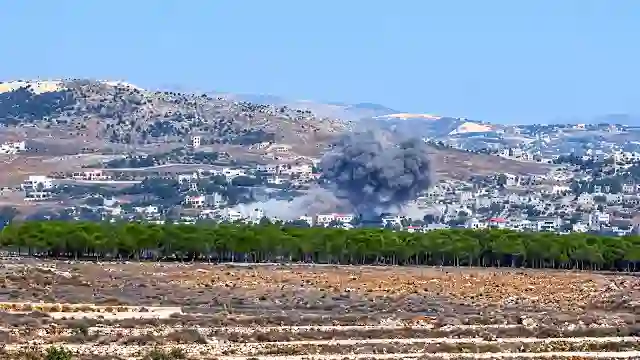
Across the border, the bombing tempo inside Yemen has reached brutal levels. Houthi sources claimed they took sixty-two air raids within twenty-four hours, pointing to thousands of airstrikes hitting their strongholds since regional clashes broke out. Strikes tore through vital communication hubs and telecom towers across Saada. Tragic civilian reports also emerged from the Taiz coastal front, where airstrikes hit a seaside spot, leaving nine fishermen dead. Yemeni government units countered with dozens of strikes against reinforced positions.
At the same time, Tehran dropped all polite diplomatic language. IRGC spokesman Hossein Mohebi went on record warning that if any neighboring state lets foreign forces use its bases or airspace to target Iran, Iranian armed forces will immediately cross the borders with direct military operations on the ground, backed by intense asymmetric strikes.
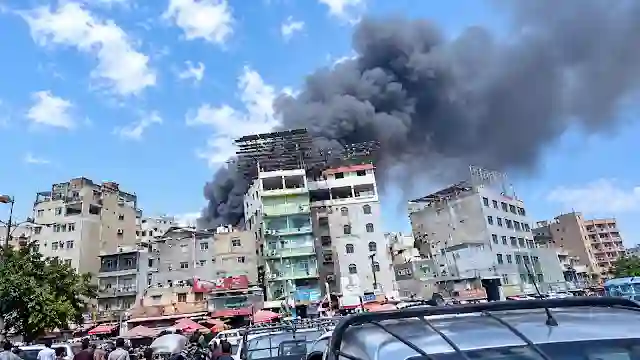
Add in relentless daily bombardments flattening neighborhoods across southern Lebanon and continuous strikes devastating civilian lives in Gaza, and the entire Middle East is now sitting on an active powder keg. As embassies clear out and jets patrol border regions, nations are strengthening their defences against a looming conflict that could escalate at any moment.
Common Reader Questions
Why did the United States start pulling diplomats and personnel out of the Gulf?
Rising security risks and direct threat assessments pushed Washington to act. Following reported detonations in southern Iran and escalating missile exchanges, non-essential personnel were relocated from forward Gulf posts, Jordan, and Qatar to keep them out of range of retaliatory strikes.
Did the recent drone strikes cause real casualties inside Saudi Arabia?
Yes. Official reports confirmed a fatal strike on King Fahd International Airport in Dammam that took one life. Additionally, falling interceptor debris near Aramco facilities in Shaybah killed two workers and left others injured.
Why are Pakistan and Egypt refusing to fight Houthis inside Yemen?
Both countries drew a firm line between territorial defense and cross-border offense. While both nations agreed to help shield Saudi borders from outside attacks, neither wants their military dragged into an unpredictable, high-cost offensive war on Yemeni soil.
How did Iran react to regional military build-ups?
Tehran issued a blunt warning through the IRGC. Military leadership declared that any nation offering its territory, runways, or airspace for attacks on Iran will face direct ground incursions and retaliatory strikes on its own soil.