The Gulf’s Traitor? Oman’s Naval Shift and the Iron Dome in the UAE
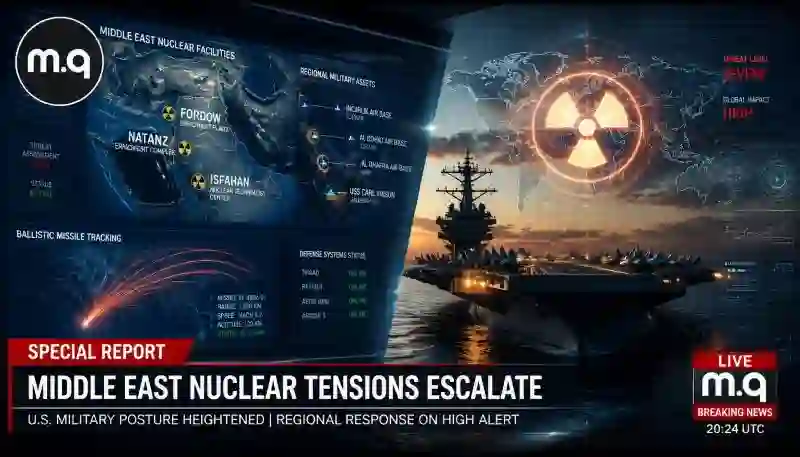
The entire geopolitical landscape of the Middle East was just set on fire behind closed doors, and the real power play is moving at a blinding speed. We are looking at a permanent realignment of global authority where the old illusions of regional unity have completely shattered. The biggest mask just fell off in the Gulf, and it is a proper psychological thriller. For a long time, there was a massive public narrative about Islamic solidarity and regional cooperation, but the reality on the ground—backed by cold, hard operational evidence—shows a completely different picture.
The Secret Israeli Deployment in the United Arab Emirates
Look at the absolute bombshell regarding the United Arab Emirates first. In a massive development that has completely exposed the depth of secret military coordination, an official live-blog brief from July 5 explicitly confirmed that Israel deployed operational Iron Dome missile batteries straight to the UAE. This deployment happened directly during the war. Today, Israel has finally accepted and openly stated this in writing.
For the average citizen in the region, the official rhetoric was always about neutrality and trade, but the military reality was one of deep integration with Tel Aviv. Israel deployed these systems for its own defense and for the defense of its friend, the UAE. This completely exposes the reality of the country you might look at as a brotherly nation. The written evidence is right in front of everyone, and you can check the official sources yourself.
The Financial Core of the Alliance
The truth is that the UAE has essentially functioned as a frontline operational partner for the West and Israel, prioritizing economic interests above all else. Why has Dubai become such a massive business hub? Because to them, it does not matter who is an enemy of Islam or what is considered halal or haram. They are entirely focused on the money, treating their connections with Israel like a blank check while acting like a subservient partner, all while the leadership thinks they are being treated like brothers.
This betrayal is not an isolated incident. Even Saudi Arabia previously exposed how the UAE follows in the exact footsteps of Israel. You only have to look back at the historical conflicts in Sudan, where massacres were taking place. While Saudi Arabia did good work there, the UAE actively weaponized and funded terrorists to take over Yemen. When the UAE started that chaos in Yemen right after Sudan, Saudi Arabia had to step up, support the legitimate Yemeni government, and push those UAE-backed proxy forces back. Razagraphy straight up tells you who did good work, and in that specific instance, Saudi Arabia exposed that the UAE was operating entirely under the guidance of external handlers.
Oman’s Naval Shift: Opening the Strait to Western Warships
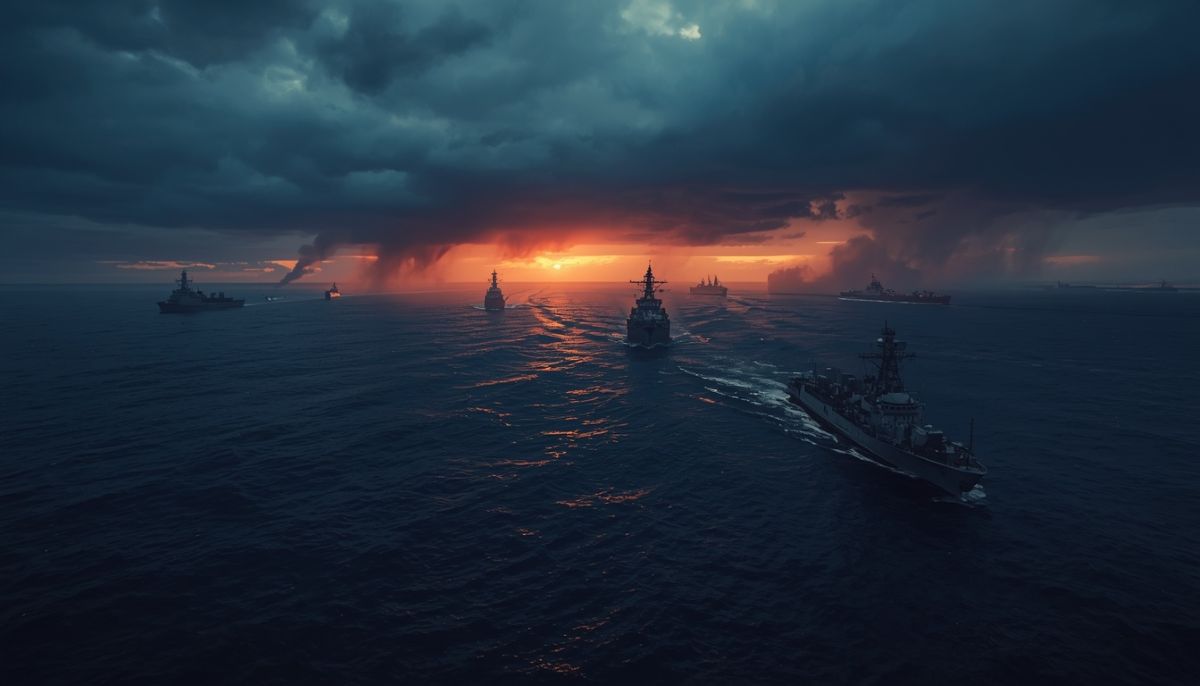
But while the UAE was locking down its skies with Israeli hardware, Oman executed an even bigger geopolitical shift out on the water. For years, the strategic balance in the region relied on nations maintaining an independent stance over their maritime zones. However, that era is officially over. In a stunning naval realignment officially reported on July 6, 2026, CNBC verified that the United Kingdom and France have signed an immediate security pact with Oman to ensure the safety of navigation within its territorial waters.
According to the official key points, Oman has agreed to work directly with the UK and France to secure the Gulf nation’s waters. France has already deployed its mine countermeasures directly into the Middle East corridor. This naval intervention is situated on the southeastern coast of the Arabian Peninsula, right opposite Iranian shores across the strait. While the United States has staunchly opposed any independent talks in the Strait of Hormuz, Oman has actively handed over its maritime security coordination to these Western powers.
The Partitioning of the Hormuz Transit Lanes
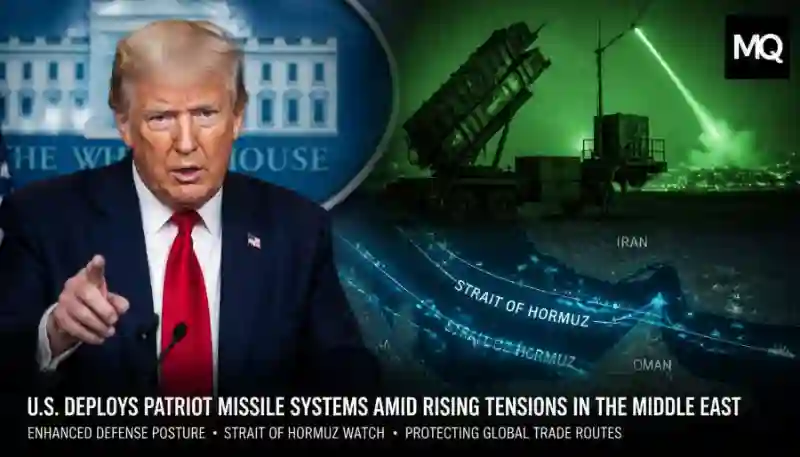
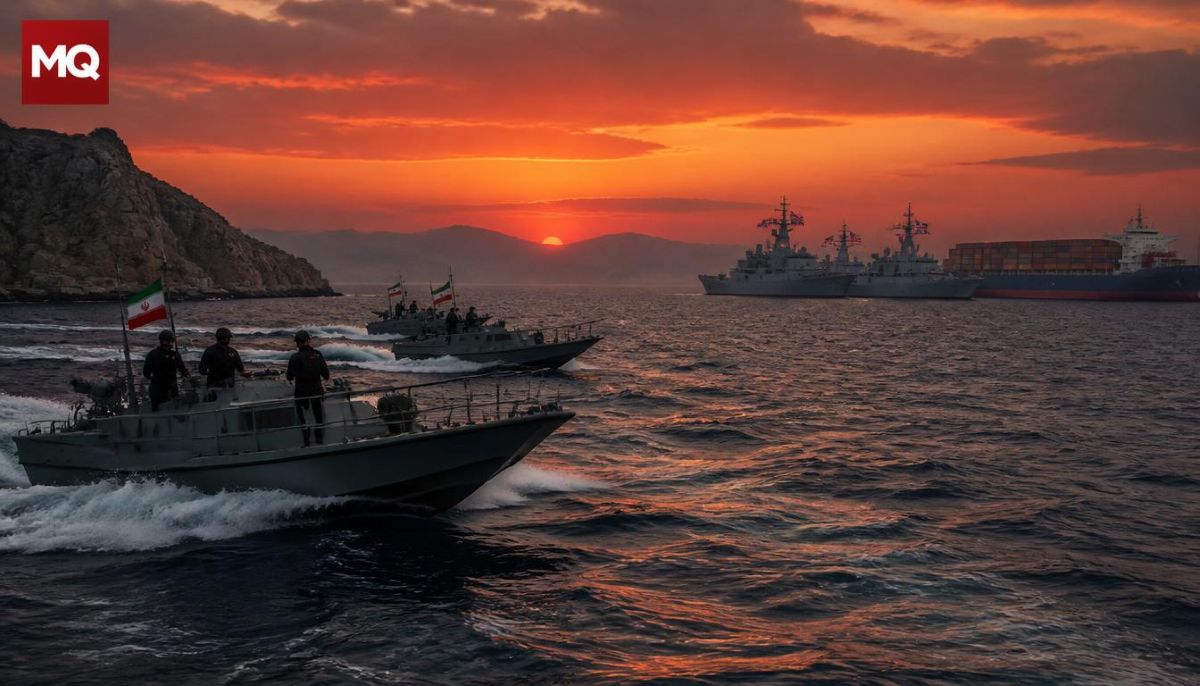
This is a massive strategic turn. The maps show exactly how the shipping routes are divided between Iran and Oman. While Iran has deployed fast speedboats to lock down its approved transit paths and force global tankers to use regulated Iranian routes, Oman has completely flipped. By inviting the British and French navies into their 100-kilometer coastal zone, Oman has opened the door for Western warships to establish a parallel security corridor. This allows international oil tankers to panic-sail away from Iranian oversight, relying entirely on Western fleets for maritime protection.
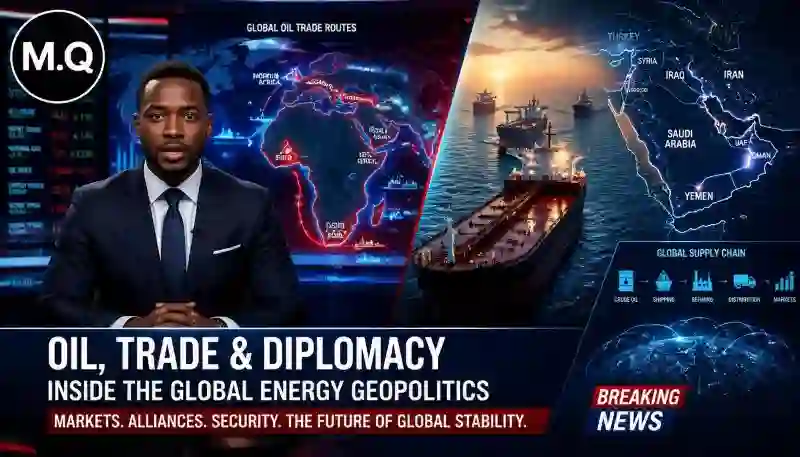
The old global structure didn’t just crack; it completely shattered. We are looking at a terrifying new alignment. On one side of the Gulf, you have the UAE utilizing Israeli air defense networks to secure its assets during active hostilities. On the other side, Oman has effectively opened the door for British and French warships to guard the territorial waters right next to the world’s most critical energy chokepoint.
A Divided Middle East: The New Corporate Alignment
This isn’t just a regular diplomatic agreement; it is a tactical pivot straight into the arms of the Western military architecture. The Gulf states have essentially picked their side, and they have picked the side that guarantees the protection of their commercial shipping lines at the cost of regional sovereignty. To them, religion and regional solidarity are completely secondary to the bottom line of the Dubai and Abu Dhabi business sectors.
At the same time, look at how other regional dynamics are failing. In Pakistan, Prime Minister Shehbaz Sharif formally addressed the media, acknowledging that executing a truce mediation between Washington and Tehran was incredibly difficult. Yet, while these complex negotiations are being pushed, the ground reality remains highly volatile.
The reality is that these nations have become business-first states. While Iran is facing massive transitions and internal palace pressure, its regional neighbors are busy signing defensive pacts with the West. The region is now effectively partitioned. One half is under the active protection of Western and Israeli military hardware, and the other is bracing for an inevitable, long-term conflict.
We are witnessing the birth of a terrifying new reality in the Middle East. The facade of regional unity is dead and buried. What is your take on this massive shift? Is the Gulf officially under total Western and Israeli security management now, or has Oman just triggered a dangerous new phase of maritime conflict that will eventually force their hand? Let us talk in the comments.
Frequently Asked Questions
What is the new deal between Oman, the UK, and France?
Oman basically went ahead and cut a quick maritime safety deal with both the British and French teams to look after ship movements inside its waters. Because of this, the French navy immediately sent over its mine-clearing gear to the southeastern edge of the Arabian Peninsula. This sets up a backup shipping route right opposite where Iran keeps its eyes.
Is it true that Israel put Iron Dome systems in the UAE?
Yes, this is completely out in the open now. Written logs show that Israel actually brought operational Iron Dome units straight into the UAE while the conflict was heating up. The whole idea was to shield top-tier business zones and local setups. It is a massive change because Israeli military defense gear is now running on the ground inside a Gulf country.
Why did Saudi Arabia and the UAE clash over Yemen in the past?
It all links back to what happened after the Sudan mess. The UAE started backing and sending weapons to certain proxy groups just to take over key spots in Yemen. The Saudis completely disliked this plan. Instead of staying quiet, Saudi Arabia stood by the real Yemeni government and pushed those UAE-funded groups away to secure their borders and stop their neighbor from expanding too far.
How are the ships moving through the Strait of Hormuz right now?
The whole passage is split down the middle by two very different setups. Iran uses its fast speedboats to closely track its specific routes, forcing international tankers to follow regulated Iranian waters. Meanwhile, this new Western agreement allows British and French naval warships to patrol a 100-kilometer stretch near the Omani coast. This gives global merchant ships a totally different lane to move freely without stopping at Iranian checkposts.
What did Pakistan’s PM say about the secret US-Iran talks?
Pakistan’s Prime Minister openly said that trying to arrange meetings and build a temporary truce between Washington and Tehran behind closed doors has been a super tough job. Even though these deep backchannel talks are going on right now, the actual situation across these crucial Middle East oil routes is still incredibly unstable.