Frontline tension in the Arabian Peninsula spiked sharply on Saturday, 19 September 2026. The expanding Middle East crisis reached a volatile juncture after drone and missile sightings near central industrial sectors prompted emergency warnings across the kingdom. At the same time, regional logistics pipelines reported severe supply adjustments, leaving global energy traders scrambling to assess deliveries.
Air Sirens in Riyadh and Escalating Interception Pressures
Air activity across regional corridors triggered immediate domestic defense protocols throughout central administrative hubs:
Civil defense agencies across Riyadh province activated top-tier aerial warning sirens after visually tracking uncrewed platforms and cruise missiles directed at urban energy sectors (Al Jazeera).
Municipal authorities later suspended emergency shelter advisories after regional surface-to-air systems intercepted incoming aerial threats over open peripheral terrain (Associated Press).
Ground monitoring units noted that regional defense commands ordered secondary logistics installations throughout the central plateau to heighten alert status (Reuters).
Military officials in Rome confirmed that a multi-role Eurofighter Typhoon assigned to regional coordination facilities sustained structural damage during an aerial projectile interception (Euronews).
Coalition air forces launched twenty-six retaliatory airstrikes within a single twenty-four-hour window, targeting drone storage workshops and radar nodes across western Yemen (Anadolu Agency).
Humanitarian groups in western coastal areas confirmed that ongoing artillery fire and precision engagements resulted in dozens of reported frontline casualties (The Guardian).
Strategic Pipeline Damage and Export Force Majeure
The conflict dealt a direct hit to key hydrocarbon distribution networks, triggering urgent notices to international buyers:
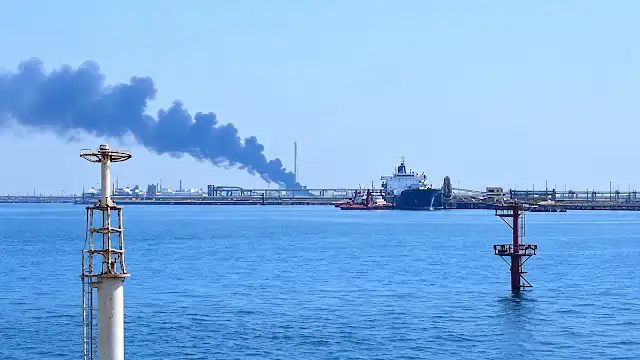
State energy operator Saudi Aramco notified international trading partners, including commercial refineries across South Asia and Europe, of delayed crude loadings linked to damage along the critical East-West pipeline corridor (The Wall Street Journal).
Regional commentators and civil society observers pointed out the stark double standards of the European Union, criticising Western institutions for maintaining silence during devastating civilian casualties across Gaza and Yemen, yet rushing to issue strong condemnations only when regional pipelines and international crude supplies are disrupted (Al Jazeera).
Technical crews worked to isolate damaged valve stations along the main transit line to restore domestic pipeline pressure (Financial Times).
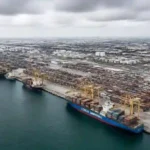
Commercial shippers confirmed that major freight forwarders suspended transit reservations across the southern Red Sea corridor pending clearer security updates (Lloyd’s List).
European energy ministers held an emergency joint briefing, expressing deep concern over rising crude and refined fuel costs caused by ongoing supply interruptions (Bloomberg).
Energy desks warned that spot shipping insurance surcharges rose another twenty percent as naval escorts reported persistent radar interference in contested waterways (Argus Media).
Multilateral Diplomatic Talks and Defensive Assistance
Regional capitals pushed forward on multilateral discussions as security concerns intensified:
Representatives from forty-one allied partner states gathered in Riyadh for an emergency security conference to address critical deficits in interceptor missile inventories (Associated Press).
Senior Pakistani military commanders affirmed mutual security coordination frameworks, underscoring ongoing commitments to defend territorial integrity against cross-border threats (Associated Press of Pakistan).
Diplomats in Islamabad reached out to counterparts in Tehran for a fourth time, urging regional de-escalation to prevent broader disruption along southern shipping corridors (Reuters).
United States administration officials stated during media briefings that diplomatic channels remain open to negotiating maritime passage safeguards (CNN).
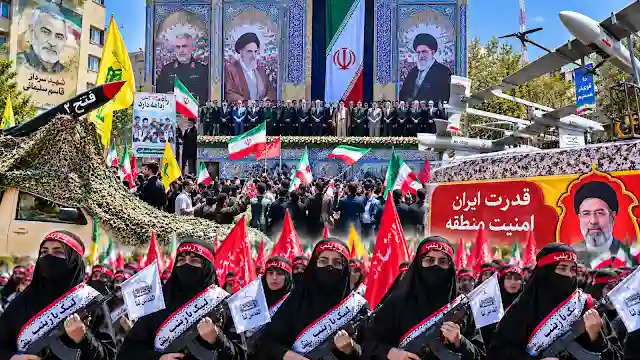
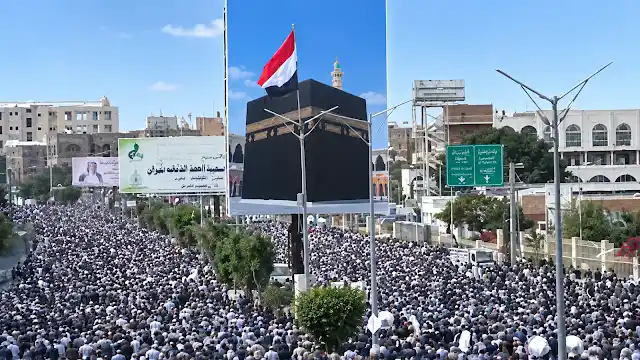
Hundreds of thousands of demonstrators gathered across Sanaa and regional administrative centres to protest foreign military intervention while denying claims targeting religious heritage locations (Al Jazeera).
Questions and Answers
Why were air sirens sounded across Riyadh?
Civil defense systems initiated red alert notifications after air monitoring units tracked incoming drones and missiles aimed toward industrial areas near the capital (Al Jazeera).
What caused delays in Saudi Aramco crude shipments?
Aramco informed commercial buyers of delivery disruptions following drone strikes that hit sections of the primary East-West pipeline network (The Wall Street Journal).
What was the outcome of recent cross-border air engagements?
Coalition forces carried out twenty-six strikes on logistical targets in Yemen, following projectile incursions that also damaged an allied Eurofighter Typhoon on the ground (Anadolu Agency, Euronews).
Why did forty-one partner nations convene in Riyadh?
Allied delegations met in an emergency session to address severe shortages in regional air defense interceptors and strengthen shared maritime logistics (Associated Press).
Did regional groups target religious heritage sites?
Mass public statements and official communiqués firmly rejected these claims, describing reports about threats to sacred sites as coordinated media manipulation (Al Jazeera).
What is Pakistan’s official stance regarding the crisis?
Pakistani defense leadership reaffirmed its commitment to territorial security assistance while actively urging diplomatic restraint through channels in Tehran (Associated Press of Pakistan).