Middle East Crisis: Iran Ceasefire Terms
Iran Raises the Pressure as Middle East Crisis Spreads
The situation across the Middle East is becoming harder to contain. Washington and Tehran are still far apart, and there is little sign that either side is ready to make the first move toward de-escalation.
The fighting and political fallout now stretch across several fronts. The Persian Gulf remains tense, southern Lebanon is still active, Yemen continues to factor into the wider confrontation, and the dispute between Israel and Britain has added another diplomatic layer to an already complicated crisis.
For now, even a temporary ceasefire looks difficult.
Tehran Wants Major Concessions Before a Ceasefire
Iran is not approaching a possible ceasefire as a simple pause in fighting. Its military leadership has attached a long list of demands to any agreement.
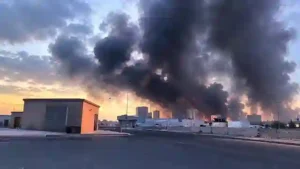
The IRGC has also issued a particularly strong warning about retaliation. Under the reported policy, an attack on two Iranian sites could lead to strikes against 20 targets belonging to the opposing side. In practical terms, that would mean a much broader response to future attacks.
Tehran’s five reported conditions are:
- US military threats must end.
- Israeli forces must leave southern Lebanon completely.
- Economic restrictions on Yemen must be removed.
- Around $24 billion in frozen Iranian assets must be released.
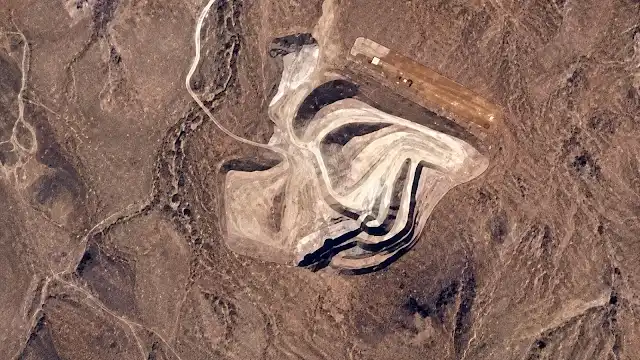
- Foreign governments must stay out of Iran’s missile programme and civilian nuclear activities.
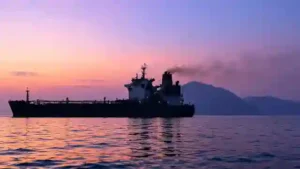
The situation around the Gulf is adding another complication. Iranian authorities have announced restrictions affecting shipping routes between the Strait of Hormuz and the Gulf of Oman. Vessels entering areas covered by those restrictions without approval could face long-term bans.
That has made an already nervous shipping industry even more cautious. US naval patrols remain active, but several commercial operators are avoiding the most sensitive waters. Insurance costs have consequently climbed sharply.
Defending Against Iranian Missiles Is Costing Millions
A less visible side to the conflict is the cost of stopping the missiles.
Patriot air-defence systems have been used repeatedly against Iranian ballistic missiles. Interceptors can cost several million dollars apiece. When several missiles arrive together, defenders may have to launch multiple interceptors within seconds.
The result is a simple but expensive equation: a major Iranian missile attack can force the opposing side to spend hundreds of millions of dollars on defensive ammunition.
Military planners are also moving vulnerable equipment away from some forward positions. Reports from Jordan have described damaged aircraft and other equipment being transported from forward facilities as forces adjust their deployments.
The effects are being felt outside the immediate war zone too.
In South Korea, civic groups have protested against possible naval participation in Gulf coalition patrols. Their concern is that sending additional military assets into the region could increase the danger to commercial vessels.
Iran is facing problems at home as well. Petrol queues have reportedly appeared in several cities after the government changed fuel allocations. The measures are intended to conserve domestic supplies while refinery and distribution problems continue.
Israel-Britain Dispute Takes a Serious Turn
The crisis has also damaged Israel’s relationship with Britain.
Israel has ordered the UK to close its Consulate General in East Jerusalem within 30 days, according to reports. The decision follows restrictions imposed by Britain, France and Canada on imports connected with Israeli settlements in the West Bank.
Tensions did not stop there. Israeli authorities have reportedly prevented 12 British lawmakers from entering the country and told British liaison personnel involved in regional coordination to leave.
Britain has defended its position.
Foreign Secretary Ed Miliband criticised the consulate decision while maintaining that the government’s settlement-related trade measures were necessary. London argues that continued settlement expansion is making the prospect of a negotiated two-state settlement increasingly difficult.
The dispute is particularly significant because Britain has traditionally maintained close diplomatic and security ties with Israel.
Gaza and Lebanon Remain Unstable
Away from the diplomatic arguments, the fighting continues.
Rescue and medical teams in Gaza have reported more civilian casualties after fresh strikes hit residential areas. UN officials have once again called for independent investigations into possible violations of international law.
Southern Lebanon remains another flashpoint. Cross-border attacks and Israeli airstrikes have continued, with civilian buildings among the structures damaged.
Diplomatic efforts have so far failed to separate the different fronts. What happens in Gaza can affect Lebanon, while developments involving Iran, Yemen or the Gulf can quickly change calculations elsewhere.
That interconnected nature of the conflict is what makes the current situation particularly difficult to control.
FAQs
What does Iran want before agreeing to a ceasefire?
The reported demands include an end to US military threats, an Israeli withdrawal from southern Lebanon, the lifting of restrictions on Yemen, the release of roughly $24 billion in frozen Iranian assets, and freedom from foreign restrictions on Iran’s missile and civilian nuclear programmes.
Why is Israel asking Britain to close its East Jerusalem consulate?
The reported decision came after Britain, France and Canada introduced restrictions involving products linked to Israeli settlements in the West Bank.
How expensive are Patriot interceptors?
A Patriot interceptor can cost several million dollars. Against a large missile attack, the cost of defensive operations can therefore rise extremely quickly.
Are ships still using the Strait of Hormuz?
Commercial traffic has not returned to normal. Security warnings and expensive insurance have encouraged some shipping companies to avoid or reduce operations through the most sensitive areas.
What is Iran’s reported 20-to-1 retaliation policy?
The IRGC has reportedly warned that if two Iranian sites are attacked, it could respond by striking 20 opposing targets. The threat is intended to deter further attacks while signalling that future retaliation could be much broader.