Washington and Tehran: New War Risks
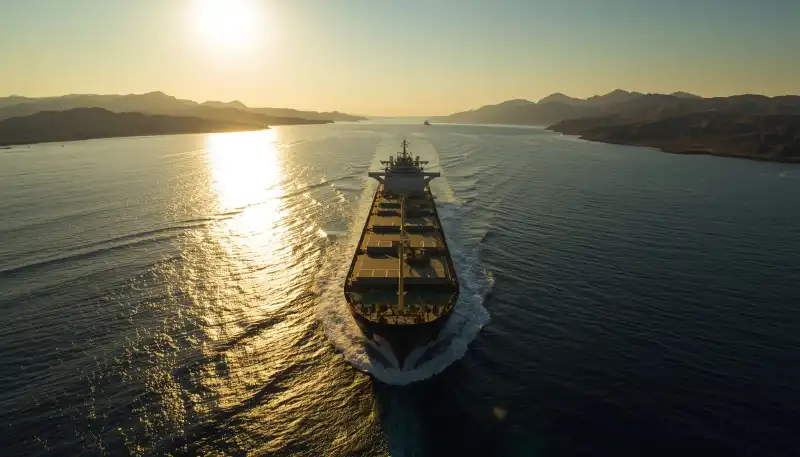
It is officially six months into the confrontation between Washington and Tehran as of 26 August 2026, and you can tell the ripple effects are stretching far beyond the Persian Gulf. What began with local missile and drone strikes has turned into a grinding economic war. Back-channel diplomacy is breaking down, fresh sanctions are landing on shipping firms across Asia, and severe supply disruptions are hitting key markets worldwide.
Pakistani Back-Channel Talks Break Down as Washington Expands Bounty List
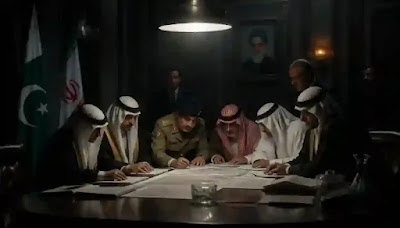
Efforts from regional neighbours to calm tensions around the Strait of Hormuz hit a dead end this week. Pakistan’s Army Chief Field Marshal Asim Munir and Interior Minister Mohsin Naqvi travelled to Tehran with a Washington-backed proposal in hand. The terms suggested that the US would ease economic sanctions and release frozen assets if Iran agreed to reopen commercial shipping routes in Hormuz and halt attacks by regional proxy groups.
Iranian officials rejected the offer, stating that Washington must stick to earlier agreements before any new framework is considered. Shortly after returning, Naqvi met US Chargé d’Affaires Natalie Baker in Islamabad to brief her on the discussions, according to reporting by The Nation.
Alongside the failed talks, Washington stepped up direct pressure on Iranian command structures:
- The US State Department issued reward notices offering up to $10 million for information on five senior IRGC commanders: Ahmad Vahidi, Ali Abdollahi, drone commander Sa’id Aghajani, cyber warfare chief Hamidreza Lashgarian, and intelligence head Majid Khademi.
- In the Levant, The New York Times reported that Washington is getting ready to send evacuated diplomatic staff back to regional embassies, beginning with Beirut.
- Meanwhile, The Wall Street Journal noted that senior intelligence and defence figures had earlier cautioned that heavy military strikes could trigger an uncontrolled escalation across the wider region.
Secondary Sanctions Hit Indian Firms While Muscat Talks Maritime Corridors
The economic fallout continues to spread across Asian maritime trade:
- Broadcaster WION reported that the US Treasury placed secondary sanctions on four Indian commercial shipping and petrochemical firms under US Operation Economic Outcast Sanctions for moving Iranian crude oil.
- In contrast to the standoff, Al Jazeera reported that Iranian Foreign Minister Abbas Araghchi met Omani Foreign Minister Badr Albusaidi in Tehran to discuss establishing a temporary navigation route and running joint mine-clearing operations in the Strait of Hormuz.
- US Treasury Secretary Scott Bessent maintained that trade interdictions are draining Iranian industrial revenue, while officials in Tehran pointed out mounting energy and fuel inflation across Western economies.
- In Israel, defence publications highlighted early concepts exploring potential orbital and space-based platforms to counter incoming ballistic missile barrages.
Domestic Economic Fallout: $63 Billion US Farm Squeeze and Reconstruction
The prolonged conflict is creating serious economic strain on both sides:
- An investigation by the Financial Times, cited by SBS News, showed that six months of shipping snarls, surging diesel prices, and fertilizer shortages have cost American grain farmers roughly $63 billion, marking their deepest financial crisis in forty years.
- Inside Iran, civil engineering teams are continuing repair work on road bridges and highway interchanges damaged in previous airstrikes.
- Iranian President Masoud Pezeshkian attended the commissioning of new domestic solar power plants designed to keep local electrical grids stable under ongoing sanctions.
- IRGC commanders inspecting border outposts ordered frontline units to stay on permanent alert against incoming air and missile threats.
Frequently Asked Questions
What happened during the Pakistani mediation talks in Tehran? Pakistani officials brought a US-backed proposal offering sanctions relief in exchange for opening the Strait of Hormuz, but Iranian officials turned it down flat.
Why did the US Treasury sanction four Indian companies? WION reported that four Indian firms were penalised under Operation Economic Outcast for allegedly helping move Iranian oil and petrochemical cargoes.
What did Iran and Oman discuss regarding Hormuz? Al Jazeera confirmed that both foreign ministers discussed creating a temporary safe shipping corridor and cooperating on clearing naval mines from the strait.
Why are American grain farmers facing such huge financial losses? According to reporting in the Financial Times, six months of regional conflict has driven up fuel and fertilizer costs, hitting US grain farmers with roughly $63 billion in losses.
Who was targeted in the latest US reward notices? The US government rolled out bounties of up to $10 million for details on five top IRGC commanders running drone, cyber, and intelligence wings.