Middle East war update: Iran Captures US Drone
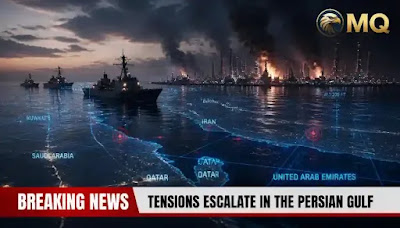
Anyone watching the Persian Gulf right now can see the naval standoff took a wild turn on 9 September 2026. Looking at this latest Middle East war update, what was supposed to be a surgical pressure campaign by Washington is turning into an absolute tactical embarrassment. Between captured autonomous American underwater drones, massive European energy alarms, fresh aviation bans, and quiet back-channel diplomacy, the entire geopolitical chessboard is shaking.
Captured US Sub-Surface Drone, Reverse-Engineering Fears, and Red Sea Friction
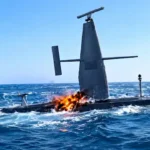
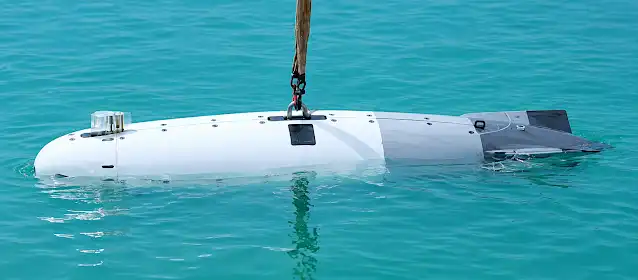
Naval skirmishes in the Gulf took a dramatic turn when Iranian security forces intercepted one of the Pentagon’s most classified autonomous underwater assets:
Tehran showcased an intact, captured American military autonomous underwater vehicle, widely identified as an advanced Anduril prototype, prompting adviser Seyed Mohammad Marandi to declare that Russian and Chinese engineers will eagerly study its sub-surface guidance systems (Defence Security Asia). While American officials claimed the vessel suffered a technical malfunction before capture, aerospace analysts warn that reverse-engineering its sensor suites and propulsion components could wipe out Western tactical advantages across Persian Gulf waters (Reuters).
Addressing naval tensions from a military ceremony, Israeli Navy commanders issued direct public warnings to regional rivals, declaring that Israel will not tolerate threats to its maritime freedom of action across both the Mediterranean and Red Seas (The Times of Israel). In Yemen, Houthi forces launched heavy cross-border drone and missile strikes targeting critical installations in Saudi Arabia, leaving over 70 people wounded and drawing sharp diplomatic protests from Gulf capitals (Al Jazeera).
Despite joint security agreements signed under the Mecca pact, both Turkey and Pakistan restricted their formal responses to diplomatic statements, urging regional mediation rather than joining military strikes (Anadolu Agency).
European Gas Reserves Plummet to 53% as US Treasury Hits Iranian Aviation
The ripple effects of the Gulf energy blockade are slamming European utilities just as autumn sets in:
Official industrial monitoring confirmed that German underground natural gas caverns have fallen to a critical 53% capacity—the lowest recorded level in fifteen years—triggering immediate winter rationing warnings (Reuters). Escalating its financial siege, the US Department of the Treasury slapped sweeping new secondary sanctions across Iran’s commercial aviation sector, formally blacklisting more than 25 transport aircraft and maintenance entities (Reuters). Diplomatic channels confirmed that Tehran received a revised peace framework proposal from Washington through regional intermediaries and formally returned its written position (RT).
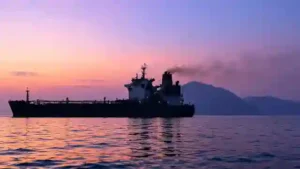
IRGC deputy commanders reaffirmed that Iran’s armed forces maintain absolute tactical control over naval movements throughout the Strait of Hormuz, rejecting Western claims that commercial traffic has returned to normal (Press TV). South Korea’s Ministry of National Defence dispatched an emergency fact-finding maritime delegation to assess local transit safety in the Strait of Hormuz following strikes on multiple oil tankers (CBS News).
Diplomatic Ruptures, West Bank Sanctions, and Frontline Civilian Carnage
Beyond maritime corridors, diplomatic alliances are fracturing under the weight of escalating violence:
The British Foreign Office implemented targeted sanctions against extremist Israeli administrative entities and commercial outposts operating across illegal West Bank settlements, openly condemning systematic civilian displacement (BBC News). The diplomatic move triggered sharp blowback from American envoys in Tel Aviv, even as allied European nations, including France, Spain, and Canada, moved to mirror restrictions against settlement programmes (The Guardian).
United Nations human rights investigators reiterated that unchecked air raids across southern Lebanon and Syrian border zones risk meeting the formal legal threshold for international war crimes (Associated Press). In Gaza, civilian search teams recovered dozens more bodies from collapsed residential zones, bringing total documented fatalities above 73,000 as medical infrastructure remains completely overwhelmed (Al Jazeera). Across Tehran and regional Iranian hubs like Isfahan, local drivers faced persistent fuel station queues as state energy authorities worked to manage domestic fuel rationing amid intense refinery export curbs (The New York Times).
Frequently Asked Questions
What underwater drone did Iran capture from the US?
Iran captured an advanced American autonomous underwater vehicle (AUV), raising major concerns that Iranian, Russian, or Chinese specialists could reverse-engineer its sensor suites and navigation components.
Why is Germany facing a winter gas shortage?
German natural gas storage reserves plummeted to 53% capacity—their lowest level in fifteen years—due to prolonged Middle East shipping bottlenecks and tight global energy markets.
What are the new US aviation sanctions against Iran?
The US Treasury blacklisted over 25 commercial aircraft and aviation supply firms connected to Iran to tighten economic restrictions on regional logistics.
Why did South Korea dispatch an assessment team to Hormuz?
Seoul sent an official fact-finding mission to evaluate security risks in the Strait of Hormuz after multiple commercial oil tankers were struck during naval exchanges.
Why did Britain impose sanctions on Israeli settlement entities?
The UK government enacted sanctions targeting organisations linked to illegal West Bank settlements in protest against human rights violations and the displacement of Palestinian communities.