US Iran Tensions: Hormuz Dispute, Base Warnings, and Diplomatic Impasse
Diplomatic cables dated 27 September 2026 show tensions across the Persian Gulf shifting quickly as maritime trade and backchannel conversations made international headlines. Reports confirmed Washington stepped back from an initial seven-day proposal regarding ship navigation near the Strait of Hormuz, noting that several core maritime conditions remain open (The Wall Street Journal). Across coastal terminals and major capitals, working officials continue watching strategic transit routes closely while local families face ongoing changes in daily fuel prices and household expenses.
Ceasefire Proposals, Base Warnings, and Airspace Measures
Key regional movements gathered pace following official briefings:
- Washington rejected a proposed seven-day framework regarding the Strait of Hormuz, with reports indicating a posture expecting extended pressure campaigns following upcoming legislative elections (The Wall Street Journal).
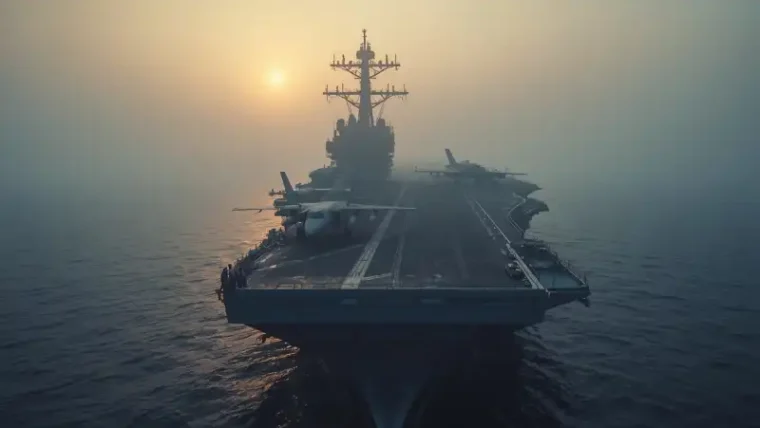
- Iran’s central military command issued formal notices stating foreign deployment centres and regional facilities would face targeting if actions were launched against sovereign territory (Al Jazeera).
- American treasury officials conducted regional visits urging partner nations to restrict banking connections and review commercial aviation landing permissions (The Wall Street Journal).
- Iran’s Supreme National Security Council denied intentions to launch direct military retaliation over flight restrictions, noting diplomatic and legal countermeasures remain active (Tehran Times).
- German authorities approved emergency fuel tax adjustments to shield domestic industry and consumers from global crude price volatility (Reuters).
- Iran’s defense ministry pointed to reinforced subterranean security sites, observing that deep structural fortifications alter external operational assessments (Press TV).
These defensive steps closely mirror the shipping disruptions tracked earlier during the Strait of Hormuz crisis, where transit bottlenecks impacted global freight pricing.
Leadership Succession and High-Level Consultations
Things got tense in Tehran this week after security moves hit several government districts. Diplomats started talking about it right away. Over at the UN General Assembly, Russia’s foreign minister Sergey Lavrov brought it up. He said the incidents that reached areas near former Supreme Leader Ali Khamenei and the surrounding municipal zones went against long-standing international rules. Al Jazeera carried his comments.
Iranian media painted a different picture. They reported that Supreme Leader Ayatollah Mojtaba Khamenei was still running things without any break from protected underground sites. Both Tehran Times and Al Jazeera ran those reports.
On the ground, local sources said a few clinics and hospitals close to the affected spots took some light secondary damage. Traffic had to be pushed through nearby streets as a result. Al Jazeera noted that too.
President Masoud Pezeshkian went on state television and insisted the administrative side of government was working as usual. He mentioned he had just wrapped up a long, seven-hour strategy meeting with Supreme Leader Mojtaba Khamenei. Meanwhile, envoys from Oman and Algeria kept quiet talks going. Their focus stayed on keeping civilian transport routes open, looking at how similar corridors were handled during the Saudi-Yemen fighting.
Multilateral Negotiations, Energy Markets, and Trade Realities
Outside active deployment sectors, multilateral monitors and economic agencies tracked systemic consequences:
- The White House urged Chinese leadership to expand domestic petroleum refining and energy contributions to help balance constrained global crude benchmarks (CBS News).
- Iranian state leadership stated during international interviews that external powers are attempting to divide regional neighbours to control critical trade wealth (Al Jazeera).
- Iranian Foreign Minister Abbas Araghchi extended official consultations in New York through Wednesday to engage with United Nations delegations (The Times of Israel).
- Regional commercial carriers altered transport routes, with surface trucking corridors through neighboring borders activated to maintain essential supply deliveries.
- Official statements reaffirmed that defensive doctrines adhere to strict national guidance prohibiting non-conventional weapons development.
- Energy analysts monitored refined petroleum flows, noting that sustained maritime standoffs keep shipping insurance rates at historic highs.
Readers tracking these diplomatic shifts can explore the detailed overview of the Iran war crisis to examine how maritime rules and trade restrictions reshape commerce.
Frequently Asked Questions
What framework was proposed regarding the Strait of Hormuz?
Dispatches indicated discussions around a seven-day operational plan to restore maritime transit, though Washington declined the initial proposal (The Wall Street Journal).
What warnings were issued regarding regional bases?
Iranian military commands stated that foreign deployment centres in the region would be considered targets if defensive perimeters were breached (Al Jazeera).
What did international envoys state regarding leadership strikes?
Russian representatives at the UNGA criticized operations near leadership compounds, while state media confirmed Supreme Leader Mojtaba Khamenei continues leading administrative duties (Al Jazeera, Tehran Times).
Why did Germany approve fuel tax adjustments?
German lawmakers implemented temporary fuel tax discounts to protect consumers and transport firms from global oil price increases (Reuters).
How long are diplomatic teams meeting in New York?
Iranian diplomatic representatives confirmed extended schedules through Wednesday to continue discussions surrounding Gulf security (The Times of Israel).