- Iran War Crisis: No Nuclear Concessions, Gulf Sanctions Push, and US Casualty Tally Updates
- Nuclear Deadlocks, Gulf Sanctions Pressure, and Chinese Intelligence Briefings
- Maritime Transit Options, Chinese Oil Declines, and Trade Corridors
- EU Energy Supply Alerts, Pentagon Casualty Revisions, and Domestic Pressures
Iran War Crisis: No Nuclear Concessions, Gulf Sanctions Push, and US Casualty Tally Updates
Verified diplomatic dispatches from 26 September 2026 make one reality clear across global capitals. While international delegates conclude high-stakes sessions at the United Nations General Assembly in New York, Tehran has drawn a hard line regarding its sovereign atomic research. Senior Iranian officials formally confirmed that no nuclear concessions will be granted, even if regional agreements resolve the ongoing maritime standoff across the Strait of Hormuz (Reuters). Between Gulf monarchies urging Washington to maintain economic blockades, fresh intelligence disclosures, and rising fuel anxieties in Europe, this Iran war crisis continues to rewrite international trade norms. When geopolitical pressure mounts and primary shipping lanes stay contested, working households worldwide face mounting daily costs.
Nuclear Deadlocks, Gulf Sanctions Pressure, and Chinese Intelligence Briefings
Diplomatic and intelligence disclosures expanded rapidly across major capitals over the past forty-eight hours:
- Senior Iranian officials announced that Tehran will make zero nuclear concessions, maintaining that atomic research remains separate from maritime transit deals (Reuters).
- Diplomatic memos revealed Gulf producers are actively pressing Washington to maintain sanctions enforcement rather than granting swift economic accommodations (The Wall Street Journal).
- Intelligence assessments reported that specialized Chinese data networks provided positioning feeds assisting regional targeting against overseas military positions (CNN).
- Turkish President Recep Tayyip Erdogan addressed international media, stating that hostile regional rhetoric undermines collective security and misrepresents Ankara’s diplomatic position (Daily News).
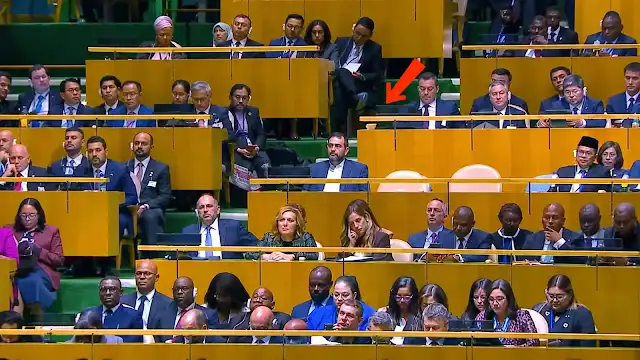
- The United States Ambassador to the UN expressed disappointment over widespread diplomatic walkouts during official assembly addresses (US Mission Dispatches).
- Iranian Foreign Minister Abbas Araghchi held bilateral meetings with regional counterparts to review security frameworks along shared borders (Al Jazeera).
This delicate diplomatic maneuvering links directly back to our continuous coverage of the Strait of Hormuz crisis, where transit terms and sovereign claims sparked intense friction behind closed doors.
Maritime Transit Options, Chinese Oil Declines, and Trade Corridors
Away from conference halls, trade agencies and energy monitors logged significant shifts in commercial traffic and cross-border transport:
Iranian diplomatic delegates floated a structured seven-day operational timetable for restoring passage through Hormuz, provided core economic terms are accepted (Tehran Times).
Trade analysts confirmed Chinese imports of regional crude dropped to multi-year lows under the impact of tightened maritime tracking (Bloomberg).
Independent strategic journals observed that established power balances across the Middle East are experiencing a lasting operational realignment (The Atlantic).
Border transport ministries highlighted accelerated construction on regional railway connections aimed at linking overland freight networks (Islamic Republic News Agency).
Regional aviation hubs faced scheduling adjustments after transport authorities enforced strict compliance checks on cross-border charter routes (Aviation Week).
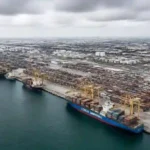
Maritime transport insurers kept protective voyage surcharges elevated across northern Arabian waters due to ongoing risk advisories (Lloyd’s List).
These complex frontline dynamics mirror developments highlighted in our detailed report on the Saudi-Yemen war, where vital energy corridors and logistics nodes faced severe pressure before local repairs began.
EU Energy Supply Alerts, Pentagon Casualty Revisions, and Domestic Pressures
Outside confrontation zones, domestic fuel policies and military personnel audits emerged across Western institutions:
European Union energy commissioners warned member states of an impending supply and price crisis linked to prolonged Middle Eastern instability (CBS News).
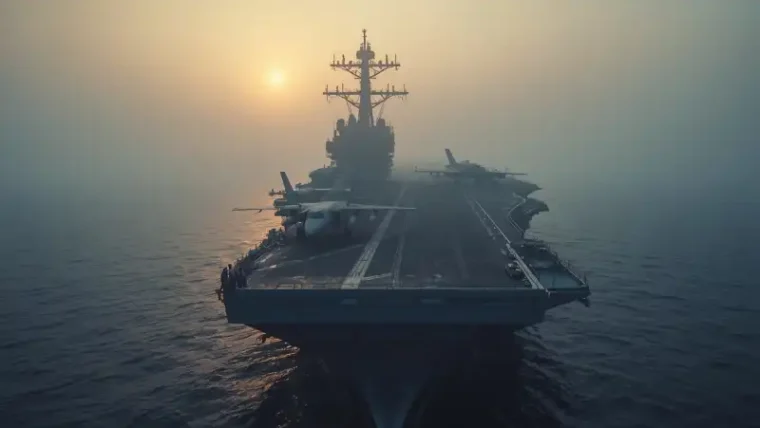
Pentagon personnel records quietly updated official records, confirming that twenty-nine sailors and eight Marines were added to military casualty rolls (The Washington Post).
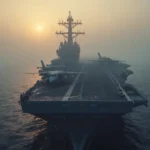
Naval hospital staff continued specialized care for crew members affected by service strain aboard active aircraft carrier strike groups (Associated Press).
Fuel distributors across northern Europe prepared contingency reserves to protect households against winter heating spikes (Financial Times).
White House trade aides continued reviewing domestic fuel allocation options to offset volatile transport expenses ahead of winter (Bloomberg).
Energy economists warned that prolonged supply restrictions will push benchmark crude prices well past historical baseline averages (Oilprice).
Readers examining wider strategic developments can also check our background analysis of the Ukraine-Russia war, which tracked how regional energy networks and global tariffs impact international market stability.
Frequently Asked Questions
What is Iran’s latest stance on its nuclear program?
Tehran stated it will make no nuclear concessions, confirming that atomic research will continue even if maritime agreements open the Strait of Hormuz (Reuters).
Why are Gulf countries urging Washington to maintain sanctions?
Diplomatic dispatches indicate Gulf producers want the US administration to keep economic pressure on Tehran rather than easing terms (The Wall Street Journal).
What did intelligence reports say about Chinese support?
Security assessments indicated Chinese technical groups provided positioning data that aided regional targeting operations (CNN).
How did European officials react to energy market disruptions?
The EU energy chief warned member nations of an impending energy price crisis and urged coordinated measures to manage fuel demand (CBS News).
What updates emerged regarding US military casualties?
Pentagon database updates added thirty-seven personnel—including sailors and Marines—to official records from regional operations (The Washington Post).