Gulf Energy Watch: Rising Military Friction and Shifting Regional Stand-offs
The Iran military operation Middle East crisis has spilled out into the open, hitting civilian freight lines and household petrol bills across the globe. Most observers assumed backchannel talks would keep regional trade routes stable. Looking at things today, troop movements and heated words are rattling markets from Gulf docks right up to Western cities.
A solid week of leaked plans, warship alerts, and fresh border units has put world leaders on edge. The moment vital naval choke points turn into defensive barricades, global supply chains feel the impact almost immediately.
Secret Phone Calls and Israeli Strike Proposals
Diplomatic friction intensified following reports regarding strategic coordination between Israeli and American leadership. International media disclosures revealed that Israeli Prime Minister Benjamin Netanyahu discussed launching a broad military campaign targeting Iranian assets with Donald Trump ahead of national polling dates.
According to security reporting published by The Wall Street Journal, Israeli officials raised red flags over Tehran’s rapid nuclear progress, urging pre-emptive action to dismantle fortified testing complexes. While the Israeli Prime Minister’s Office declined to verify specific private pledges, defence officials noted that coordination remains remarkably close.
Tehran responded by reinforcing its primary defensive positions. The Wall Street Journal confirmed that Iranian engineering corps have begun fortifying subterranean nuclear facilities, improving surface-to-air missile belts, and preparing regional readiness plans in expectation of outside strikes.
Trump’s Assessment on Beijing, Moscow, and Tehran Ties
Addressing public speculation regarding foreign military assistance, Donald Trump posted an extensive statement across his Truth Social network, downplaying the scale of Eastern military cooperation.
Trump wrote:
”I see so many comments from the Radical Left Morons and Lunatics that China and Russia are helping the ‘wonderful’ Islamic Republic of Iran. If they are, it’s at a very low level, but I don’t believe they are at all. With so much at risk, they would have every reason to avoid such a move, and we would hear about it in no time. Thank you for giving this matter your time and consideration. President DONALD J. TRUMP”
These comments show how keen Washington is to calm nerves at home while keeping a firm hand on Eurasian shipping.
Standoffs in the Strait of Hormuz
Tensions are sharpest along international shipping corridors. In an official declaration, the Commander-in-Chief of Iran’s Islamic Revolutionary Guard Corps (IRGC), Major General Ahmad Vahidi, stated firmly that external military coalitions hold zero legal authority to project power or police passage through the Strait of Hormuz and the wider Persian Gulf.
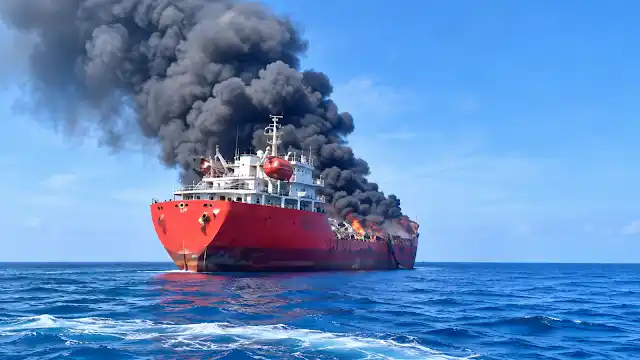
Commercial movements are already seeing direct disruption. According to military intelligence alerts broadcast by CBS News, Iranian naval patrol boats have targeted commercial vessels conducting ship-to-ship oil transfers near the Strait of Hormuz. Analysts from international maritime institutes observed that targeting ship-to-ship transfers aims to choke alternative export bypasses used to transport crude without official docking clearances.
Despite ongoing US military blockades and sanctions, Iranian trade bodies claim continued energy flows. As reported by Al Jazeera, the Hormozgan Ports and Maritime Organisation confirmed the export of over five million tonnes of petroleum products from the Shahid Rajaee port facility during the first half of the operating year.
Domestic Impact on American Households and Diplomatic Rows
The economic fallout of the conflict has travelled well beyond regional waters. A detailed financial analysis released by CNN Business, quoting estimates from Moody’s Analytics, revealed that sustained military operations against Iran are currently costing American households roughly $2,000 each in elevated fuel expenses, shipping surcharges, and general inflation.
On the diplomatic front, things grew tense when Iranian envoys called in Britain’s Hugo Shorter over remarks by UK Prime Minister Andy Burnham tying Tehran to an RAF Fairford plot. Iranian officials dismissed the British claims as baseless, demanding an end to hostile rhetoric.
Concurrently, regional frontlines in southern Lebanon remain precarious. Reports from Ynet Global and The Jerusalem Post showed that the Israeli military demolished underground tunnel complexes on the Ali Taher Ridge, warning Tehran directly against widening regional proxy actions. On top of that, Euro-Med Monitor reported that about 13% of Gaza’s citizens have been killed, wounded, or detained amid unresolved regional hostilities.
Counting on fuel prices or regional borders to settle down without open, honest peace talks simply won’t work. Until primary border flashpoints and naval security frameworks are settled transparently, global freight costs will climb, and regional stability will hang on edge.
Common Queries
What came out of the leaked talks between Netanyahu and Trump?
Reports in the media and The Wall Street Journal showed that Prime Minister Netanyahu discussed potential pre-emptive strikes against Iranian nuclear positions directly with Donald Trump.
Why are commercial vessels facing disruption in the Strait of Hormuz?
According to CBS News, Iranian patrol units have begun intercepting vessels conducting ship-to-ship oil transfers to restrict unmonitored crude shipments through the strait.
How is the Middle East conflict affecting American household finances?
CNN Business reported Moody’s estimates showing that energy price increases and freight disruptions linked to the conflict are costing average US families approximately $2,000 each.