- Shifting Fortresses: Inside the Saudi Crown Prince Bunker Security and the Riyadh Airport Aftermath
- Bunkers, Palaces, and Days Out of Public View
- What the Riyadh Airport Strike Left Behind
- Air Defence Reality: Why Radars Missed the Inbound Threat
- Phone Blackouts and Arrests of Foreign Witnesses
- Frustration with Allies and Shifting Defence Plans
- Frequently Asked Questions
Shifting Fortresses: Inside the Saudi Crown Prince Bunker Security and the Riyadh Airport Aftermath
Palace photo ops make it look like top rulers never face real risk. Polished marble, motorcades, and big handshakes look totally solid on screen. Across the Gulf right now, that calm image is coming apart.
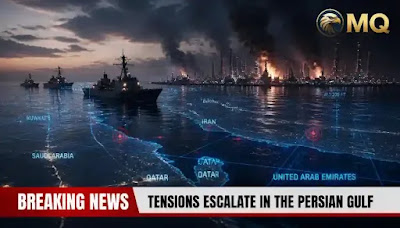
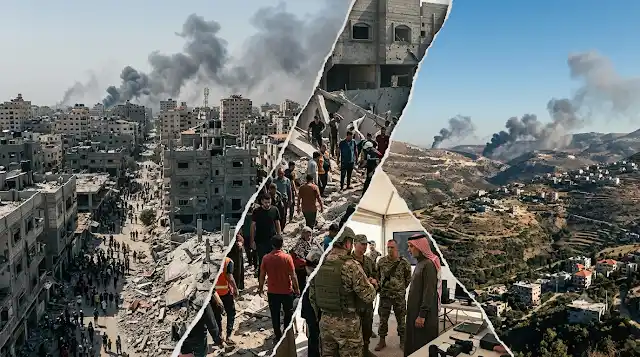
A close look at recent Saudi Crown Prince bunker security measures shows how tense things have become. Terminal hits around Riyadh changed daily security routines fast, forcing top brass to rethink what modern air warfare actually looks like.
Bunkers, Palaces, and Days Out of Public View
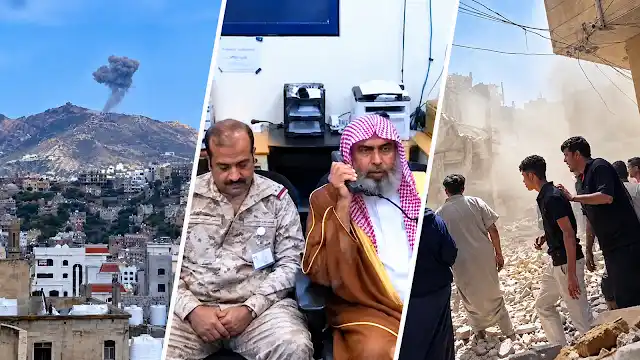
The Independent reported that Crown Prince Mohammed bin Salman has been moving between heavily guarded palaces with deep underground bunkers. He has stayed away from official public stops for almost a week. People last saw the 41-year-old leader on camera when he dropped by a blood donation clinic.
Only a tight circle of close bodyguards and vetted commanders get near him now. Switching between fortified rooms shows real worry over pinpoint drones. When drones and ballistic missiles can cross borders and strike capital infrastructure, staying in standard executive suites becomes far too risky.
Readers tracking wider regional escalation can check our report on the [Fragile Truce: Documenting the Gaza Ceasefire Civilian Toll and Regional Realities].
What the Riyadh Airport Strike Left Behind
The trigger for this massive security review was a direct hit on commercial aviation. Official records from the Saudi General Authority of Civil Aviation (GACA) confirmed that King Khalid International Airport in Riyadh was struck on Sunday, 11 October 2026. GACA put out a note confirming a Pakistani expat died on site, with eleven other workers hurt and sent to local clinics.
Fresh updates in The Independent pointed to roughly 13 deaths and 300 wounded across recent strikes in the country. Runway and concourse damage forced Al Arabiya English to report that King Khalid International Airport will stay shut until 17 October for engineering checks. That closure hit trade schedules hard and rattled local travel plans.
Air Defence Reality: Why Radars Missed the Inbound Threat
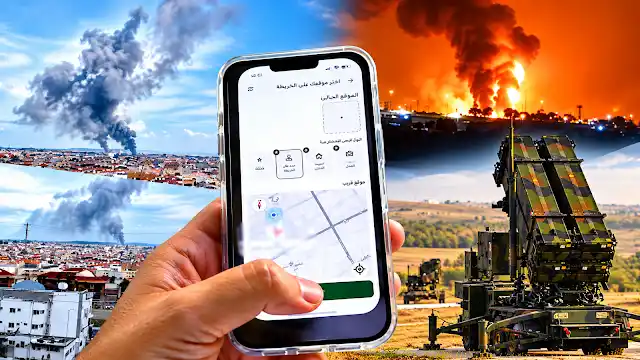
Look, Saudi Arabia has poured billions into top-tier American radar and Patriot surface-to-air batteries. So people naturally asked how a commercial runway in the capital took a hit. Internal investigations are now underway to figure out why interceptors failed to shield the perimeter.
Straight up, the official admission that followed was unusually blunt. An advisor to the Crown Prince speaking to JFEED noted that expecting total missile defence over the kingdom is simply unrealistic. Even Israel, with its tiny borders and stacked interceptor networks, misses rockets sometimes, he noted. Trying to cover a huge desert country against swarms of cheap drones followed by fast missiles pushes batteries past their limits.
Things have gotten so strained that authorities are turning to public reporting apps, asking ordinary citizens to upload live photos and spot low-flying drones to back up official radars.
Phone Blackouts and Arrests of Foreign Witnesses
Inside the country, the government has clamped down hard on photos and footage of hit sites. The US Embassy in Riyadh confirmed through The Times of Israel and AFP that American expats were picked up for filming smoke plumes and damage spots.
Officers made it plain that putting bomb blast clips or crater photos on social apps brings immediate arrest. Officials say clips online cause public panic, and they also hand targeting feedback right back to missile crews.
Frustration with Allies and Shifting Defence Plans
Behind the scenes, relationships with Western capitals feel pretty strained. Donald Trump remarked that the Houthis were “misbehaving very badly” and hinted at possible joint action, but Washington has hesitated to commit full forces. In response, Houthi leaders warned through AFP that direct American intervention would trigger a swift, painful counter-strike across the region.
Meanwhile, i24 News reported that Israeli Prime Minister Benjamin Netanyahu reached out to discuss potential joint strikes against targets in Yemen. But Riyadh remains wary of formal Israeli cooperation, knowing full well that public backlash over Gaza makes open military ties toxic across Arab streets.
To keep oil flowing despite Red Sea threats, Saudi Energy Minister announced through Al Arabiya English that plans are moving fast to expand the kingdom’s pipeline oil export capacity from 6 million up to 10 million barrels per day. By pumping crude directly across land to western ports, Riyadh hopes to bypass coastal waters entirely.
At the end of the day, running a major modern state from fortified bunkers is no permanent fix. Bunkers offer temporary cover, but real stability only comes when regional leaders address the root political battles instead of trading air raids.
Frequently Asked Questions
Why is Crown Prince Mohammed bin Salman using palace bunkers?
When will King Khalid Airport start normal operations?
Al Arabiya English shared that passenger flights will remain halted until 17 October so repair teams can finish runway fixes.
Can Saudi air defences stop all incoming missiles?
No. Royal advisors admitted on record to JFEED that 100% interception is impossible given the country’s vast land size and the complex swarms used in recent attacks.