Iran Conflict Standoff: Threats and Hormuz Diplomacy
Iran Conflict Standoff: Retaliation Threats and Hormuz Diplomacy
Iran conflict standoff: Military orders out of Tehran took a sharp turn this week as talk of massive counter-strikes collided with backchannel mediation in the Gulf. Between threats of unrestricted missile strikes across regional targets, ten separate proposals inside Iran’s parliament to abandon the nuclear treaty, and 144 commercial ships rerouted around the Strait of Hormuz, maritime and defense corridors are operating on razor-thin margins.
Here is what went down across Middle Eastern military desks and diplomatic corridors over the past twenty-four hours.
Supreme Leader Orders Unrestricted Response in Iran Conflict Standoff
Commands across Iran’s armed forces shifted to top alert status following orders from the Supreme Leader. Axios reported that Iran’s leadership told military chiefs to unleash an immediate, maximum response against any foreign strike, making sure officers understand there are no geographical limits or target boundaries on counter-attacks. Military strategists in Tehran pointed out that hostile bases, radars, and regional facilities will face incoming barrages right after any attack starts.
At the same time, Iranian lawmakers took direct aim at global non-proliferation rules. Broadcaster Al Jazeera confirmed that the speaker of Iran’s parliament received ten different proposals demanding an immediate exit from the Treaty on the Non-Proliferation of Nuclear Weapons (NPT). Lawmakers warned that if foreign forces strike domestic energy or military sites, Tehran will cancel international inspection rules altogether.
To underline this aggressive posture, state-linked media channels circulated wide target maps covering eight regional nations—including Israel, Jordan, Kuwait, Bahrain, Qatar, Saudi Arabia, the UAE, and Oman—marking key airports, power grids, subsea cables, and tech facilities for retaliatory fire.
(Related Coverage: Check our recent analysis on Strait of Hormuz Clashes: Gulf Alerts impacting commercial maritime transit.)
Hormuz Tanker Diversions and Qatar Mediation Talks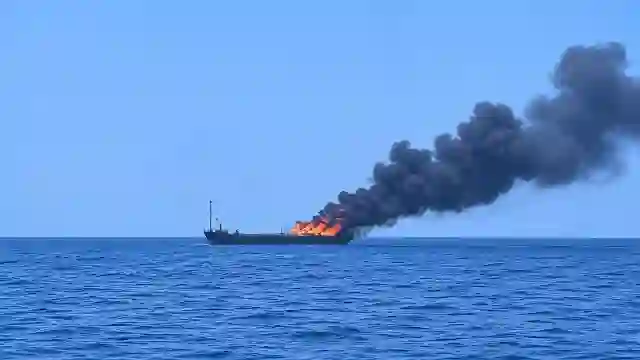
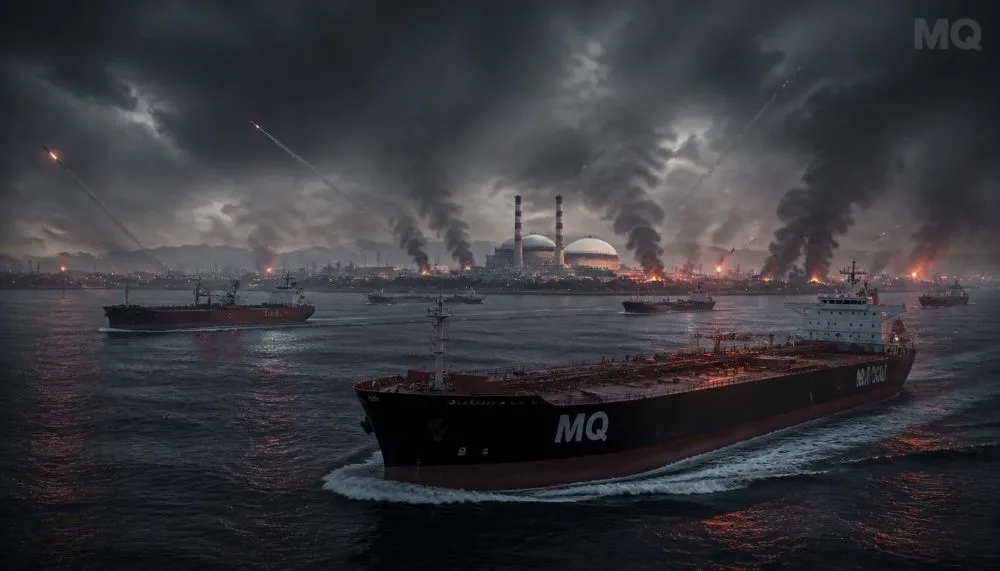
The standoff along commercial shipping choke points is creating massive headaches for maritime trade. Over in the Strait of Hormuz, US Central Command confirmed that mine threats and warship face-offs have already forced 144 civilian cargo hulls to turn around or take detour routes over the past fortnight, CBS News reported. Running armed escorts through these narrow straits has turned into a grinding, open-ended chore for global navies.
Yet, quiet diplomatic efforts are trying to avert total closure. The Times of Israel cited regional reports stating that an American diplomatic team is preparing to join direct talks with Iranian envoys in Doha following a breakthrough in indirect mediation.
Qatari diplomats in Doha are working around the clock to iron out specific relief milestones, according to Dawn:
- Two-Day Opening Timeline: Negotiators from Qatar want both sides to implement the maritime reopening package within forty-eight hours flat.
- Sanction Waivers and Frozen Funds: Iranian officials insist that Western banks unfreeze state currency accounts and cancel oil penalties before merchant tankers pass through untouched.
Gulf neighbors want calm above all else. Middle East Monitor reported that Saudi Arabia directly asked the Trump team to give diplomacy room to breathe, warning that fresh missile strikes will trash oil refineries and processing plants right across the peninsula.
European Gas Strains and Economic Red Lines
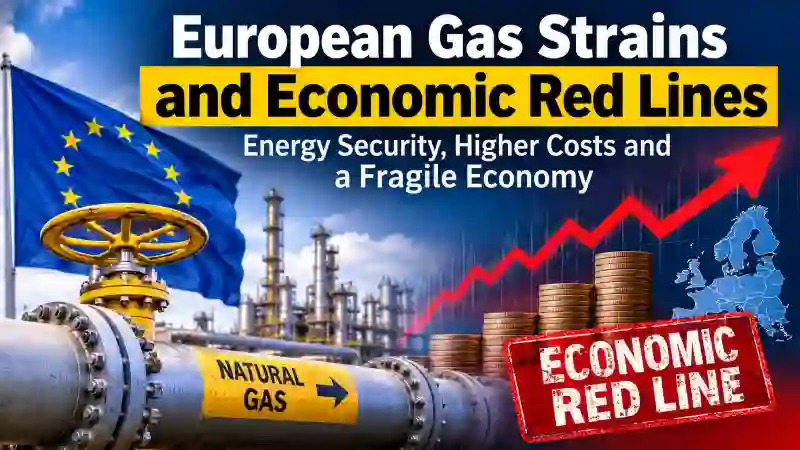
Economic pain from the Middle Eastern standoff is spreading rapidly into European energy markets. Coverage by Clash Report highlighted comments from German Chancellor Friedrich Merz, who warned that energy price spikes linked to the conflict have already inflicted financial losses exceeding 100 billion euros across Europe.
Iranian Foreign Minister Abbas Araghchi responded bluntly to the German statements, posting that financial losses mean nothing compared to the military response awaiting Western nations that assist in attacks on Iranian sovereignty, declaring that past red lines are gone.
The supply crunch is hitting German domestic reserves hard. Broadcaster Al Jazeera reported that the German gas storage association INES issued formal warnings after national gas caverns fell to 61.35 percent capacity ahead of winter, falling well short of Berlin’s official 80 percent target. Industry leaders warned that without stable LNG deliveries, major manufacturing sectors face winter rationing.
Intelligence Sanctions and Israeli Readiness
Diplomatic fallout spilled into intelligence channels as well. Tehran expanded its retaliatory blacklists by branding the British Royal Navy, Royal Air Force, and MI6 as terrorist organizations, claiming London assisted previous strikes against Iranian bases.
Frontline readiness in the Levant is just as tense. Turkish wire Anadolu Agency reported that Israeli air wings wrapped up operational exercises for deep strikes across Iranian territory, waiting only on word from Washington before putting flight plans into motion.
With naval escorts patrolling the Gulf and both sides warning of immediate counter-strikes, regional security hangs on whether the talks in Doha can produce a functional compromise before military timetables run out.
Frequently Asked Questions
What did Iran’s Supreme Leader order regarding potential US attacks?
Iran’s leadership told military commanders to hit back immediately with maximum force across regional targets without asking for prior sign-offs if enemy bombs hit Iranian soil.
Why is the Iranian parliament discussing leaving the NPT?
Members of parliament filed ten separate legislative proposals to pull out of the NPT, aiming to drop international nuclear monitoring after ongoing foreign strike threats.
How many ships have been rerouted in the Strait of Hormuz?
US Central Command confirmed that heightened security risks and military confrontations have forced the diversion of 144 commercial vessels away from the strait.