Global Security in Flux: Hormuz Mine Strikes and Iran War
Global Security in Flux: Persian Gulf tensions took a sharp turn for the worse this week after direct war warnings, tanker mine explosions, and urgent leader-level phone calls edged the region toward open combat. While indirect talks dragged into a third straight day in Doha, rising tanker mine blasts, fleet repositioning, and Tehran’s warnings of borderless retaliation show that regional peace efforts are hanging by a thread.
Diplomatic desks, military monitors, and international maritime bodies spent the last 24 hours tracking rapid shifts across the Gulf. Here is how the latest talks, tanker mine blasts, and combat preparations played out on the ground.
Global Security in Flux: Direct White House Calls and the Doha Backchannel
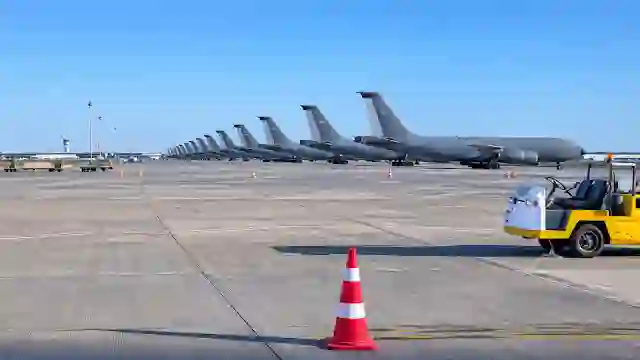
Leader-level war discussions heated up as military preparations took priority. Reports confirmed that Donald Trump got on a blunt phone call with Israeli Prime Minister Benjamin Netanyahu to review their next battlefield moves against Iran. Israeli military chiefs pressed hard for swift airstrikes, but officials inside Washington spent the call arguing over whether to try one last round of talks or launch a coordinated bombing campaign right away.
Meanwhile, indirect diplomacy kept running in Qatar. Al Arabiya English reported that Iranian negotiators sat down for a third day of mediation in Doha to stop a wider US-Iran shooting war. Envoys are trying to swap economic sanctions relief for safe sea passages, but sources close to the table say talks are barely moving while combat units gear up outside.
Inside the White House, sharp disagreements broke out over regional war strategy. The Atlantic reported deep frustration among national security aides, with officials already passing blame over who will take the fall if air operations spiral into an endless regional war.
(Related Coverage: Check our ongoing analysis on Strait of Hormuz Clashes: Gulf Alerts impacting commercial maritime transit.)
Hormuz Tanker Mine Detonations and Maritime Disruptions
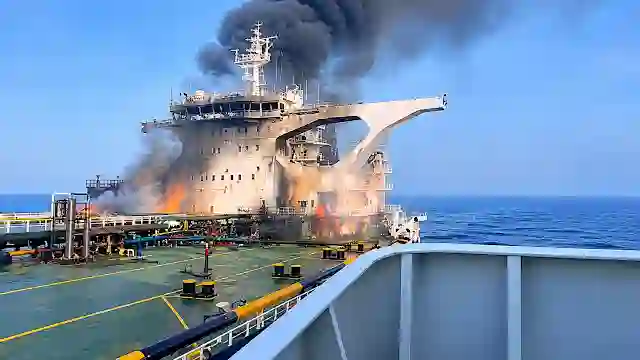
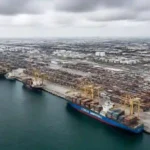
The tanker conflict reached critical levels inside the world’s busiest oil transit chokepoint. Al Jazeera reported that the Islamic Revolutionary Guard Corps (IRGC) verified that two commercial tankers hit naval mines while moving through the Strait of Hormuz. Iranian commanders said the ships tried slipping through unauthorized routes with tracking transponders turned off, leaving one supertanker burning in open water.
Commercial maritime data shows how bad shipping disruptions have become:
- Sharp Attack Surge: IMO records show commercial ship strikes hit 31 incidents through October, making it the most violent month of the tanker war.
- Severe Sea Freight Strain: Sea mines and targeted runs forced cargo fleets to bypass the Gulf entirely for long journeys around Africa, sending freight insurance through the roof.
- Indian Ocean Pirate Danger: Outside the Gulf, the Associated Press reported that Somali pirates boarded and seized an Iranian fishing vessel off the African coast, adding another shipping hazard near the mouth of the Red Sea.
Clandestine Supply Networks and Base Damage Assessments
Fresh intelligence on missile production networks surfaced alongside damage reviews of earlier strikes. An investigation by the China-Global South Project found that Iran built a $2 billion covert pipeline through Chinese shell firms to bring in solid rocket fuel chemicals and drone parts. These covert shipments let Iranian arms plants keep churning out attack drones and rockets despite round-the-clock sanctions.
Satellite imagery also confirmed the brutal reality of previous missile waves. A visual report by The Wall Street Journal showed that Iranian precision missile strikes tore through US facilities across the region, inflicting billions of dollars in structural damage at sites like Jordan’s Muwaffaq Salti Air Base.
The huge repair costs sparked immediate budget fights between Washington and host nations over who has to pay for the flattened installations.
Regional Retaliation Fears and Unrestricted Strike Warnings
Fears of runaway escalation have Gulf capitals on edge. Bloomberg reported that Gulf governments are begging for a diplomatic off-ramp, terrified that fresh American airstrikes will provoke Iranian missile salvos against local power grids, ports, and sea desalination facilities.
Tehran’s defense establishment stepped up its deterrence warnings:
- Zero Geographic Limits: IRGC spokesman Hossein Mohebi said military planners mapped out dozens of new regional targets, warning that Iran’s next response will ignore all national borders.
- Protracted Conflict Alert: Iranian military officers told Al Arabiya that a new shooting war will not stay short, cautioning that combat will drag on across multiple regional borders.
- Deep Missile Stockpiles: Israeli intelligence reports published by Israel National News estimate that Iran holds roughly 1,700 ballistic missiles that can hit Israel, along with a stockpile of more than 80,000 attack drones.
- Supply-Chain Sabotage Risks: Regional commanders are bracing for electronic sabotage operations, fearing Mossad could trigger pager-style explosive traps inside imported communication hardware.
Frequently Asked Questions
What triggered the latest tanker explosions in Hormuz?
IRGC commanders stated that two commercial tankers struck naval mines after sneaking into unauthorized shipping lanes with their transponders switched off, sparking a major fire on a supertanker.
What did the satellite investigation reveal about US base damage?
Satellite reviews from The Wall Street Journal showed that Iranian ballistic missiles caused billions in damage to regional installations, wrecking aircraft shelters and living quarters at bases like Muwaffaq Salti.
How many long-range strike weapons does Iran currently hold?
Israeli intelligence estimates that Iran has roughly 1,700 ballistic missiles capable of reaching Israel, supported by an inventory of over 80,000 attack drones.
What did envoys focus on during the third day of Doha talks?
Qatari mediators focused on preventing direct US-Iran airstrikes, trading sanctions relief for reopening commercial shipping lanes in the Gulf.