Iran Nuclear Strike Warning: Hormuz Standoff & Arab Alerts
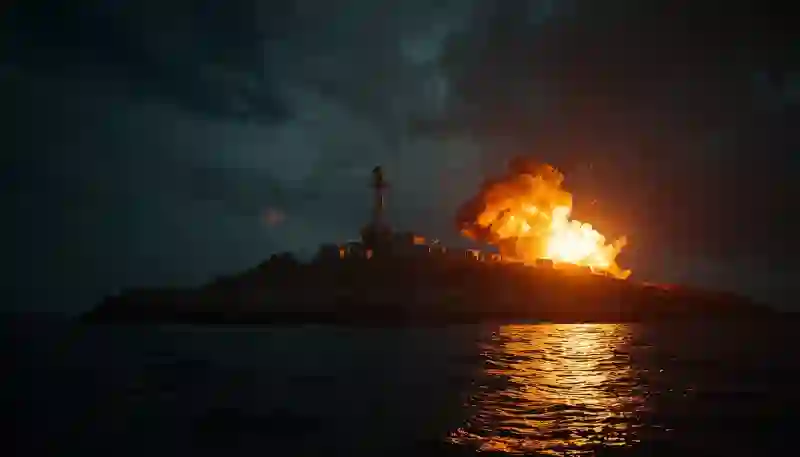
Iran Nuclear Strike Warning: Persian Gulf tensions took another dangerous turn this week. Between fresh threats against regional power plants, direct American air raids near the coast, and backchannel messages flying between capitals, nobody is backing down. Arab governments are now warning Tehran straight out: hit our fuel facilities, and your own domestic sites will pay the price. At the same time, direct strikes on Qeshm Island and hurried proposals to get oil tankers moving again show just how thin everyone’s patience has worn.
Diplomatic desks and military monitors spent the last day tracking fast-moving events across regional capitals. Here is how the latest airstrikes, secret talks, and infrastructure threats played out.
Arab Infrastructure Ultimatum and US Strikes on Qeshm Island
Regional posturing reached a boiling point over private diplomatic wires. Reporting from Ynet Global and The Wall Street Journal confirmed that several Arab capitals sent sharp warnings to Tehran through neutral mediators. The message was blunt: if Iranian units or their regional proxies launch attacks against commercial refineries, power grids, or water stations on Arab land, local militaries will hit back directly inside Iranian borders.
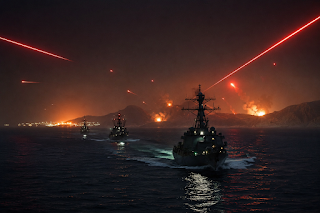
While Gulf states worked to protect their own oil operations, shooting broke out along the coastline. An exclusive investigation from The Wall Street Journal revealed that American forces carried out pinpoint strikes against Iranian facilities on Qeshm Island, right inside the Strait of Hormuz. The strikes hit coastal surveillance posts and speedboat docks, landing even as political figures in Washington told the press that broader combat risks were minimal.
Inside the White House, opinions on what to do next remain split. While strikes hit the island outposts, Donald Trump took to an interview with Israel’s Channel 12 to argue that his real goal is economic pressure rather than getting bogged down in another grinding regional ground war. Trump pointed out that heavy sanctions and maritime crackdowns are choking off cash flow in Tehran, insisting that financial pain will eventually drag Iranian officials to the negotiating table.
(Related Coverage: Read our detailed breakdown on Strait of Hormuz Clashes: Gulf Alerts impacting commercial maritime transit.)
Iran Puts Forward 48-Hour Hormuz Plan Amid Talks
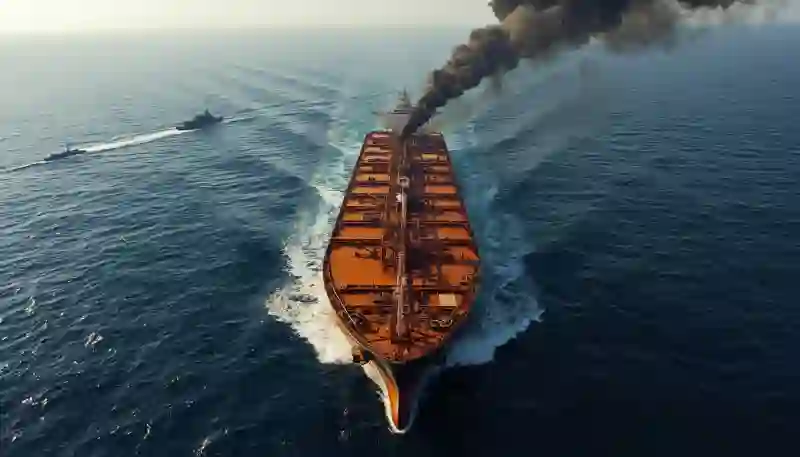
Diplomatic haggling picked up speed as the naval impasse began to squeeze global commerce. Dispatches from Gulf News reported that Iranian Foreign Minister Abbas Araghchi laid out a conditional “2-day plan” to get cargo ships sailing freely through the Strait of Hormuz again. The idea is simple: Iranian authorities would clear the shipping lanes and drop naval restrictions within 48 hours, but only if Washington and its partners deliver genuine sanctions relief and solid maritime guarantees.
The mandate to strike a bargain came straight from the top. Bloomberg confirmed that President Masoud Pezeshkian secured official clearance from the Supreme Leader’s office to steer both direct and indirect war negotiations. That stamp of approval lets Iranian envoys talk terms in Doha without worrying about hardline politicians blocking them at home.
Even so, officials in Tehran made it clear that some assets are strictly off the table. Spokesmen stressed that Iran has no plans to ship its stockpiles of enriched uranium out to third countries as part of any truce deal. Foreign ministry figures also shrugged off the upcoming US midterm elections, arguing that American pressure stays roughly the same no matter which party sits in Washington.
China-Oman Mediation Push and Security Warnings from Moscow
International players jumped in to try and keep the sea lanes from shutting down completely. Broadcaster Al Jazeera reported that China and Oman put out a 20-point joint declaration following high-level visits in Beijing, urging both Washington and Tehran to dust off the old Islamabad MoU framework. Chinese officials confirmed they are sending Special Envoy Zhai Jun across Iran, Saudi Arabia, and Oman to calm the waters.
At the same time, Moscow kept the phones busy with regional security chiefs:
- High-Level Hotline Calls: Tehran Times reported that the head of Iran’s Supreme National Security Council got on a detailed call with Vladimir Putin to run through the latest military moves in West Asia.
- Foreign Ministry Alerts: Anadolu Agency noted that Russian spokeswoman Maria Zakharova warned against planned military drives targeting Iran, saying further strikes would unleash pure chaos across the region.
- Domestic Energy Squeeze: CBS News reported that officials in Tehran warned citizens about winter natural gas shortages, citing war damage and broken supply logistics.
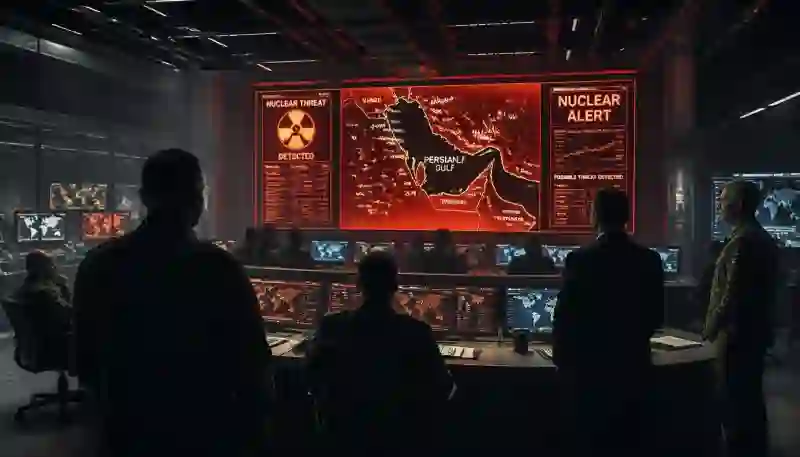
Drone Clashes, Street Drills, and Economic Pressures
Civil and military preparations picked up pace across Iranian cities. Reporting from India Today revealed that authorities set up public defense training sites across Tehran, including at Tajrish Square, teaching civilians basic weapons handling and shelter drills in case American air raids continue.
Friction along the coast produced several more flashpoints:
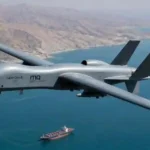
- Drone Interceptions: Iranian air defenses said they brought down American surveillance drones operating near coastal islands.
- Ghost Tanker Runs: Fox News reported that Iranian tankers slipped right past naval surveillance patrols, delivering half a million barrels of LPG straight into Chinese ports.
- Precautionary Steps in Riyadh: The Arab Weekly reported that schools across Riyadh and Diriyah shifted over to online classes as a safety move against cross-border drone strikes.
- Local Arrests: Iranian security teams raided suspected internal rings, seizing hidden arms before they could be used to spark street unrest.
The market fallout hit drivers immediately. Fuel trackers showed domestic US petrol prices jumping between $4.27 and $4.53 a gallon following the tanker troubles, piling domestic political heat onto the White House to sort out the sea lanes fast.
Frequently Asked Questions
Why did Arab nations issue warnings over Iranian infrastructure?
Mediators confirmed that several Gulf states warned Tehran directly that any attacks damaging local power stations or oil hubs would trigger direct strikes inside Iran.
What was hit during the US raids on Qeshm Island?
Pinpoint strikes targeted Iranian coastal radar stations and boat facilities on Qeshm Island to stop interference with shipping.
What is Iran’s 48-hour plan for the Strait of Hormuz?
Iranian diplomats offered to lift all sea restrictions within two days, provided the US delivers on agreed sanctions relief and navigation rules.
Why did China and Oman step into the dispute?
Both nations pushed to bring back the Islamabad MoU terms and sent out diplomatic envoys to keep international crude routes open.