- Iran Conflict Escalates: Strikes on Data Hubs, Strait of Hormuz Tankers, and Nuclear Sites
- Direct Hits on Infrastructure and Data Hubs
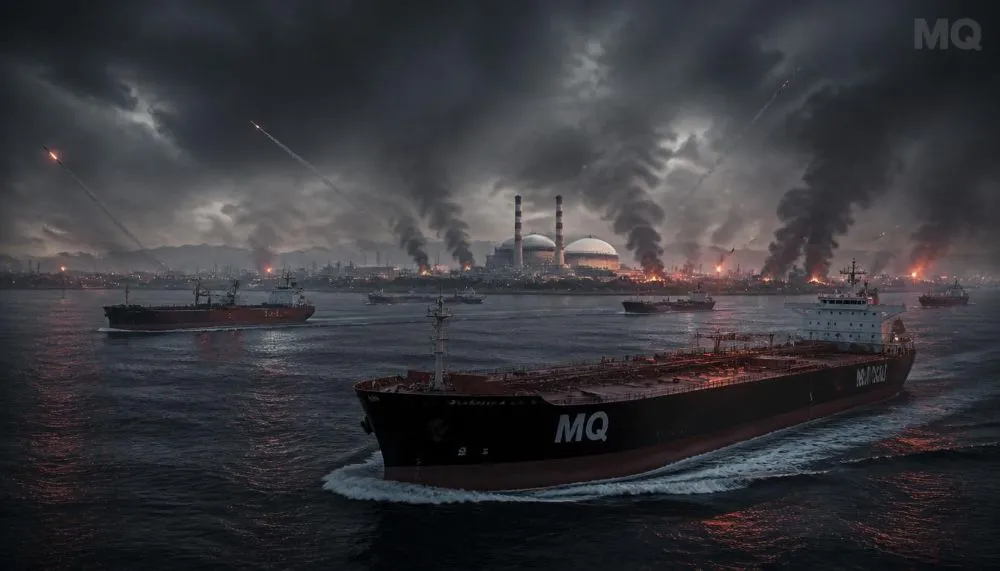
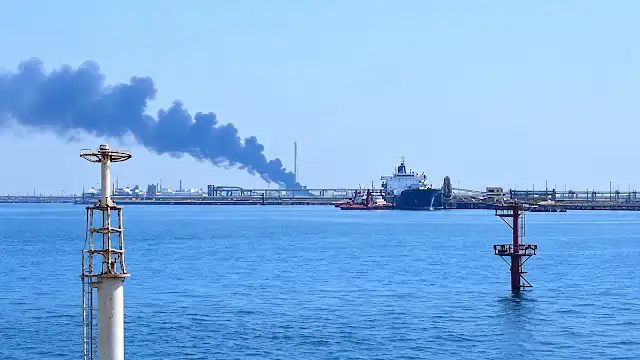
- Strait of Hormuz and Tanker Incidents
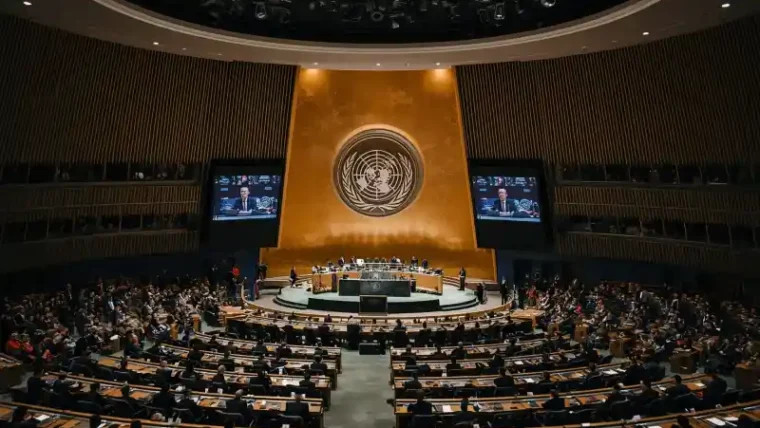
- UN Petitions and Regional Backlash
- Economic Implications for Global Markets
- What happened to Amazon’s facility in Bahrain?
- What led Kuwait to summon the Iranian ambassador over the Strait of Hormuz tanker attack?
- Is the UN getting involved in the nuclear site attacks?
- How are neighboring countries like Qatar responding?
Iran Conflict Escalates: Strikes on Data Hubs, Strait of Hormuz Tankers, and Nuclear Sites
If you’ve been keeping half an eye on the news feeds over the last 24 hours, you’ll know the situation involving Iran, the US, and regional Gulf states has hit a proper critical breaking point. We aren’t just looking at minor military posturing anymore. We’re seeing direct hits on digital infrastructure, commercial oil tankers caught in the crossfire along vital shipping corridors, and formal letters hitting the desks over at the UN Security Council.
Honestly, the regional security picture is shifting far too fast for diplomats to get a firm grip on things. To properly grasp how serious this confrontation is getting for energy prices, tech operations, and global trade, you have to look closely at what major international news outlets are tracking across the Middle East right now.
Direct Hits on Infrastructure and Data Hubs
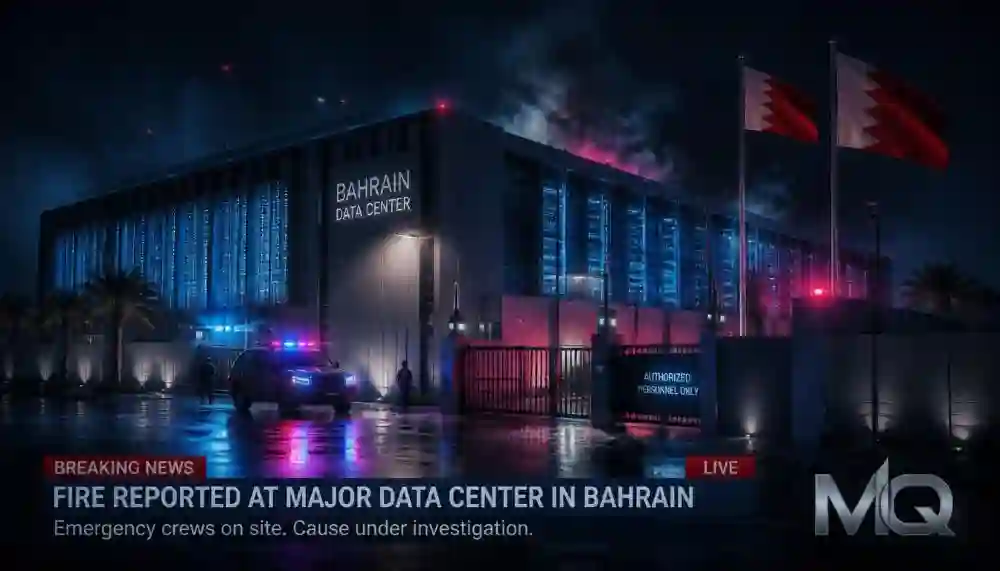
Checking out the latest pieces running on Euronews, the IRGC has taken credit for launching cruise missiles at Amazon’s core server setup in Bahrain. This operation signals a troubling turn toward targeting big commercial tech facilities spread across the Gulf region.
+———————————————————————–+
| KEY CONFLICT DEVELOPMENTS & STRIKES |
+———————————————————————–+
| 1. Data Hub Target | IRGC claims cruise missile strike in Bahrain |
| 2. Tanker Attacks | Kuwait summons envoy over Strait of Hormuz hit |
| 3. Nuclear Facility | Tehran petitions UN following Darkhovin attack |
| 4. Regional Demands | Qatar seeks compensation for infrastructure hits|
+———————————————————————–+
Straight up, public utilities across neighboring states are feeling the direct impact of this back-and-forth as well. Official government updates released over in Kuwait confirm that multiple power generation units and water desalination plants took severe damage following consecutive days of heavy strikes. That caused widespread power outages and triggered emergency repair teams to step in immediately.
When tech hubs and water systems take hits, the nature of regional warfare changes completely. It moves away from military bases and straight into everyday civil operations.
Strait of Hormuz and Tanker Incidents
Sea traffic through the Persian Gulf is facing huge disruptions right now. As reporting over at Anadolu Agency points out, diplomatic officials in Kuwait called in the Iranian ambassador for a formal meeting. That step was taken right after an oil tanker came under fire in the Strait of Hormuz, leaving several sailors injured.
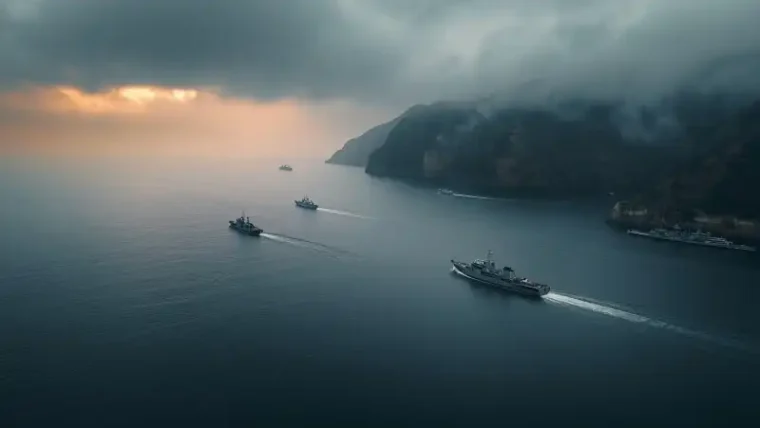
Over on Fox News, broadcasts highlighted that military leadership in Washington is weighing an expansion of active combat options. CENTCOM forces launched fresh air operations aimed at degrading Iranian naval capabilities near Hormuz to keep commercial sea lanes open for international traffic.
Meanwhile, ongoing coverage on CNN notes that US forces launched another round of targeted strikes hitting military assets scattered across Iran.
This whole situation creates massive friction for sea trade. Merchant captains are reluctant to sail through without naval protection, causing freight rates to climb and slowing down key energy shipments bound for foreign markets.
UN Petitions and Regional Backlash
The diplomatic fallout from these military operations is spreading across international institutions at top speed:
- Darkhovin Nuclear Site: Reports published by Al Mayadeen reveal that Tehran submitted an urgent letter to the UN Security Council following a US air operation targeting the Darkhovin nuclear facility.
- Qatari Compensation Demands: Coverage over at Al Jazeera showed that Qatar sent formal letters to both the UN Security Council and the UN Secretary-General, demanding financial compensation for damages caused by Iranian strikes on a Qatari tanker and domestic infrastructure.
- Rising Casualties: Official confirmation of U.S. military casualties following recent engagements presents a significant barrier to near-term diplomatic ceasefire negotiations.
Mind you, this isn’t just a localized military duel anymore. When energy tankers take fire and data hubs go down, the economic ripple effects knock on doors right across the globe.
Economic Implications for Global Markets
To be fair, the wider world cannot simply look away from what is unfolding around the Persian Gulf. Global trade analysts cited across major networks point out that any prolonged threat to the Strait of Hormuz puts roughly twenty percent of the world’s daily petroleum supply at immediate risk.
When shipping lines start factoring in massive war-risk insurance spikes and operational delays, consumer goods and fuel prices at the pump go up everywhere.
Furthermore, attacks on cloud server infrastructure present unprecedented operational vulnerabilities for technology enterprises operating in the Middle East. Dealing with service downtime, supply chain friction, and tighter security measures means companies will end up spending far more to keep digital networks running safely.
FAQ: Quick Breakdown of the Regional Conflict
What happened to Amazon’s facility in Bahrain?
Reporting over on Euronews shows the IRGC claimed a direct cruise missile attack on Amazon’s Bahrain data hub, marking an intentional expansion toward commercial technology targets.
What led Kuwait to summon the Iranian ambassador over the Strait of Hormuz tanker attack?
As reported by Anadolu Agency, Kuwait summoned Iran’s ambassador following a Strait of Hormuz tanker attack that injured several crew members.
Is the UN getting involved in the nuclear site attacks?
Yes. Based on updates from Al Mayadeen, Iranian leadership lodged an official protest with the UN Security Council after US operations hit the Darkhovin nuclear plant.
How are neighboring countries like Qatar responding?
As covered by Al Jazeera, Qatari authorities filed a petition with the UN demanding formal financial recovery for damages to their ships and territory caused by Iranian strikes.