Iran Standoff, CENTCOM Airstrikes, and the Threat to the Strait of Hormuz
It’s funny how quickly a casual conversation can turn heavy. Yesterday afternoon, over lukewarm coffee and half-eaten pastries, a friend and I found ourselves picking apart the latest news out of the Middle East. By the time we parted ways, I had this lingering knot in my stomach that refused to go away. Scrolling through updates later that night only made it worse. Every new development in the US-Iran standoff makes it feel as though the region is edging closer to a collision that many fear but few seem able to prevent. Nobody seems interested in tapping the brakes. Instead, US strikes inside Iran, maritime security alerts, and escalating rhetoric from both governments are driving the crisis to a more dangerous level, with both sides continuing to exchange harsh public criticism as the standoff intensifies. The Persian Gulf? The circumstances suggest a significant risk of a disastrous outcome.
Escalation at the Border and the US Air Campaign
Rewind a bit, and you can trace this mess back to a pretty clear trigger point. Things went sideways after drone strikes and retaliatory attacks landed on US positions near the Jordan-Syria border. First came word about Tower 22 taking damage. Then, almost immediately, reports started trickling in about American bases in Erbil and Kuwait jacking up their alert status. Anyone paying attention could feel the shift—the atmosphere got noticeably heavier.
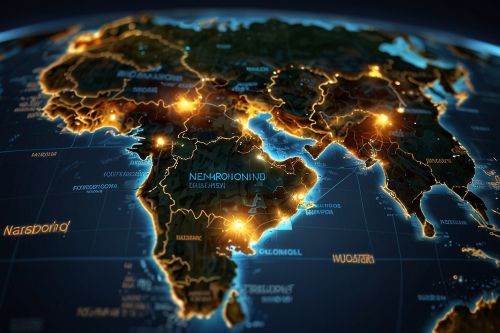
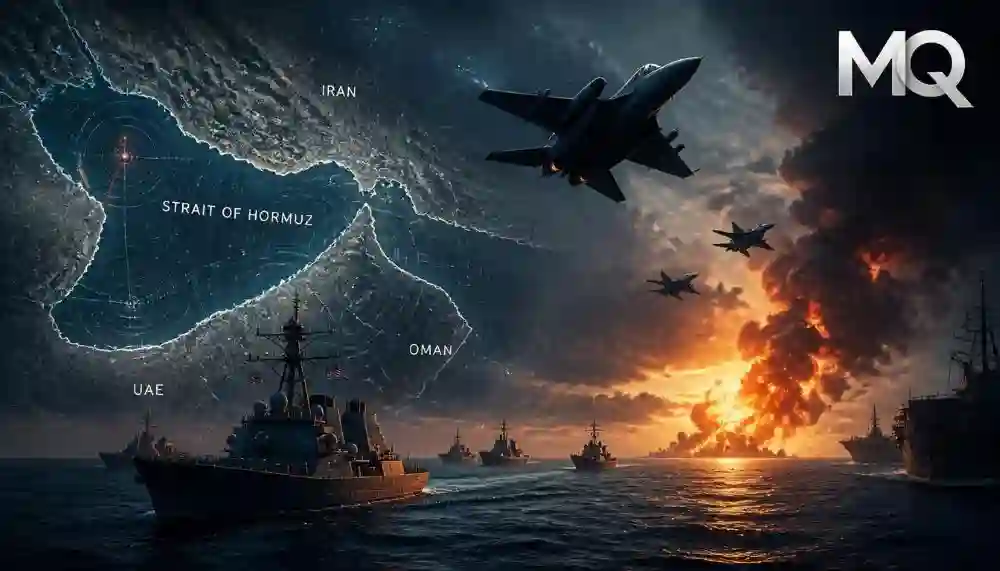
US Central Command, for what it’s worth, didn’t hesitate. With the President’s approval, they rolled out an aggressive aerial campaign covering significant chunks of southern and central Iran. We’re not talking about a few token strikes here and there. Naval fighter jets and long-range bombers conducted coordinated raids on coastal defence positions near Sirik, Qeshm Island, and the main naval hub at Bandar Abbas. They also went after sites around Isfahan, Chabahar, Konarak, and—this is the part that really makes you sit up straight—areas uncomfortably close to the Bushehr nuclear facility. That’s not exactly small potatoes.
Military Targets and Pentagon Response
Military briefings described the operation as a targeted effort to degrade Iranian anti-ship missile batteries, radar installations, and drone launch sites that were reportedly threatening commercial shipping and US military assets in the region. In the early stages of the clashes, approximately one hundred US service members were left with concussions and various other minor injuries. Pentagon press secretary Sean Parnell took pains to point out that virtually all of them received prompt treatment and returned to duty while the broader campaign continued without any major disruptions.
Tehran’s Resistance and the Strategic Value of Hormuz
Tehran’s response has been anything but conciliatory. If anyone out there was holding their breath waiting for Iranian leadership to fold, they’re going to be waiting a long time. Foreign Ministry officials have been pretty straightforward—they’re not closing the door on diplomacy, but any talks have to happen on terms that respect Iranian sovereignty and territorial integrity. When you look at it from their side of the fence, that’s not exactly an outrageous demand.
What really caught my attention, though, was the way Iranian defence officials have been talking about those years of Western sanctions. Instead of portraying them as debilitating, they’ve basically framed them as a blessing in disguise—a forced experiment in self-reliance. Denied access to foreign arms suppliers, their engineers had to figure things out on their own. No imported air defence systems? They designed and built their own. No foreign missile technology? They developed domestic alternatives. No off-the-shelf drones? They created their own manufacturing infrastructure. It’s a bold narrative, and there’s probably more truth to it than many Western analysts would care to admit.
Chokepoint Risks in the Strait
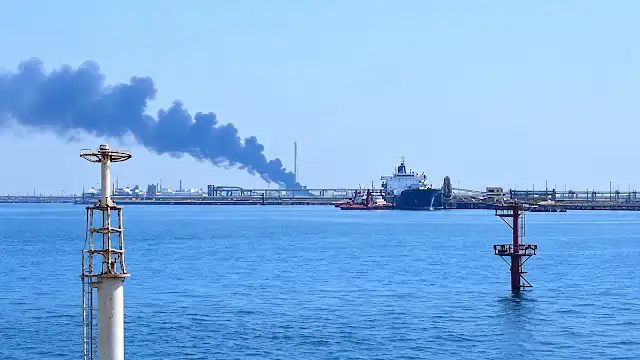
Now let’s talk about the elephant in the room—or rather, the narrow strip of water in the room. The Strait of Hormuz remains Iran’s heaviest-hitting bargaining chip. This skinny channel moves about twenty percent of the world’s daily oil supply. Let that sink in for a second. Twenty percent. Iranian authorities have stated, in no uncertain terms, that if any external power tries to use the strait against Iranian national security interests, they’ll slam it shut. No negotiation, no warning, just closure. When word came through about a tanker taking damage near Limah off the Omani coast, the UK Maritime Trade Operations quickly pushed out warnings urging commercial vessels to proceed with maximum caution. Hard to argue with that advice under the circumstances.
Global Fallout, Flight Cancellations, and Public Opinion
Across the Atlantic, European countries haven’t exactly been sheltered from the fallout. Diplomatic relationships between Tehran and several EU nations—particularly France—have gotten noticeably frostier. The detention of French citizens in Iranian custody only poured more gasoline on that particular fire.
Sky Chaos and Logistical Strain
Then there’s the chaos in the skies. With regional air defence networks sitting at elevated readiness, commercial airlines got spooked about the possibility of their jets being mistakenly identified as hostile. Air France didn’t mess around—they pulled all scheduled flights to Dubai, Riyadh, and Beirut almost overnight. The aftermath? Stranded travellers, freight companies scrambling to reroute cargo, and a logistical mess all around. Absolute bedlam.
Back in the United States, ordinary people are getting nervous. Having conversations with folks back home, there’s this undercurrent of dread about American troops getting pulled into yet another long Middle Eastern slog. Even with the airstrikes still making headlines, polls keep showing that most voters would much rather see diplomats hash out a deal than watch soldiers get dragged through another exhausting ground campaign. Can’t say I blame them.
What People Are Asking About the US-Iran Situation
I’ve been getting a bunch of messages from readers lately, all circling the same basic questions — how did things spiral, and where are they headed? To clarify the situation, here are some straightforward answers.
So why exactly did US CENTCOM hit targets inside Iran?
According to Pentagon briefings, the mission was about neutralizing specific threats — think anti-ship missiles, coastal radar installations, and drone launch sites. Their reasoning? These assets were seen as direct hazards to both cargo ships passing through and American military personnel stationed nearby.
What makes the Strait of Hormuz such a flashpoint?
Honestly, it’s the oil. Roughly one-fifth of the planet’s daily crude supply funnels through that slim corridor. Mess with that passage, even a little, and you can watch gas prices climb before the news even finishes reporting it.
Why the sudden flight cancellations to Dubai and Riyadh?
Once air-defense systems lit up and missiles were in the air, airlines weren’t about to gamble with passenger safety. Carriers like Air France pulled the plug on their routes rather than risk a commercial jet getting caught in the crossfire or misidentified by jumpy radar operators.
Where does Iran stand right now?
Publicly, Tehran insists it’s not walking away from negotiation tables — but it’s drawing a hard line on sovereignty. Behind the scenes, their defense brass has reiterated that they won’t hesitate to activate coastal defense systems if they feel their territorial waters are being pressed.