- Iran vs USA War Day 15: Why Trump Paused Strikes, Omani Secret Talks, and the Hormuz Crisis
- What Actually Stopped the Bombing Run?
- Secret Meetings in Tehran as Oman Steps In
- Extreme Contingencies and Mysterious Local Blasts
- Ship Attacks and Seaborne Rescue in the Strait
- War Accounting: How Iranian Oil Kept Flowing
Iran vs USA War Day 15: Why Trump Paused Strikes, Omani Secret Talks, and the Hormuz Crisis
Day 15 of the Middle East conflict delivered a sudden shift that caught military observers around the globe off guard. Following the heavy escalations on Day 13 and Day 14, Washington abruptly halted its flight missions over the weekend. US President Donald Trump decided against greenlighting a broader campaign across Iranian territory.
This pause didn’t stem from sudden goodwill. Real-time tactical limits brought directly to White House officials forced a quick pivot in planning.
What Actually Stopped the Bombing Run?
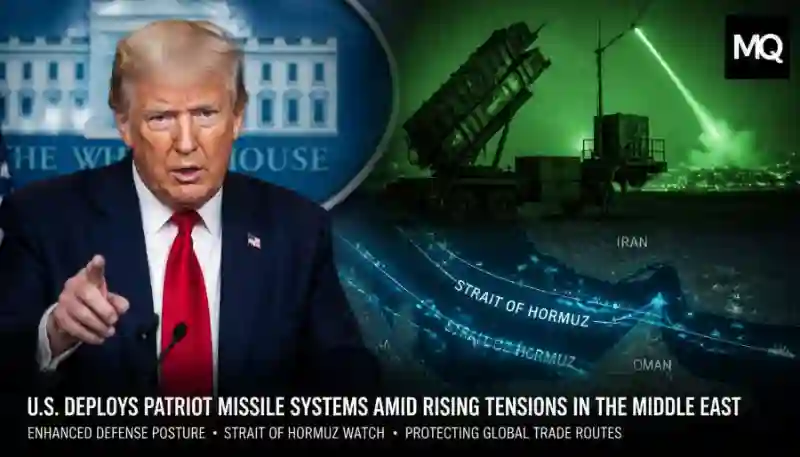
Two weeks of relentless missile exchanges and drone interceptions stretched Western military inventory thin across the Middle East. Top Pentagon brass warned political leaders that expanding the air campaign meant taking a massive gamble on remaining air defenses. Stockpiles of Patriot antimissile interceptors fell to uncomfortable levels.
According to reporting by The New York Times, General Dan Caine, Chairman of the US Joint Chiefs of Staff, privately briefed leadership on the numbers. He noted that while large-scale combat operations remained feasible, they would place severe strain on interceptor allocations meant for US Central Command. Internal figures show the Pentagon used over 1,200 Patriot interceptor missiles, each priced near $4 million.
Military strategists interviewed by The Hill and The Atlantic highlight a basic risk: running an intense air campaign without a steady supply of interceptors leaves American bases, regional allies, and oil infrastructure completely open to incoming ballistic strikes.
Secret Meetings in Tehran as Oman Steps In
While warplanes remained grounded over the weekend, diplomats raced against the clock to secure a breakthrough. As confirmed by CBS News, Omani diplomats flew straight into Tehran for emergency sessions focused on maritime safety and easing naval tension near the Strait of Hormuz.
Defense units in Israel stood ready for a massive wave of US strikes between Friday and Saturday, according to coverage from Ynet Global. Yet as Qatar and Oman urged both sides toward compromise, Washington chose to test whether backchannel mediation could yield results before upcoming diplomatic meetings in DC.
Reports from Al Jazeera confirm that while diplomatic notes keep moving back and forth between Washington and Tehran through intermediary channels, deep distrust continues to stall any firm deal.
Extreme Contingencies and Mysterious Local Blasts
A break in airstrikes hasn’t slowed down behind-the-scenes planning. An exclusive investigation by the New York Post revealed that US military strategists mapped out aggressive ground scenarios. One proposal included a high-risk raid aimed at securing enriched uranium directly from heavily guarded underground nuclear sites—an operation military insiders label as one of the most daring concepts on paper.
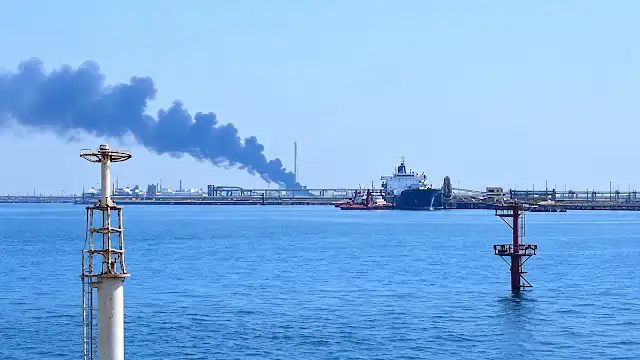
At the same time, mystery surrounds explosions reported near Iran’s coastal hub of Bandar Abbas. Local outlets reported heavy detonations, but senior American military spokespersons cited by N12 News issued immediate denials, insisting US forces did not strike the port.
Diplomatically, Iranian Foreign Ministry representatives fired back at European officials. They argued that EU statements focus heavily on human rights concerns while quietly providing technical and logistics support to military efforts targeting Iranian infrastructure.
Ship Attacks and Seaborne Rescue in the Strait
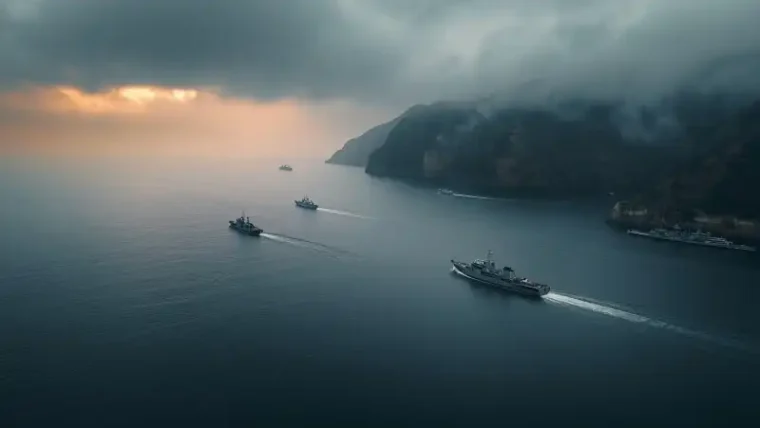
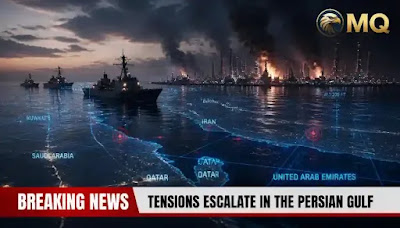
The core economic battleground remains locked around the Strait of Hormuz, a maritime corridor handling almost 20% of the world’s daily petroleum supply. Any long-term bottleneck here risks driving worldwide energy prices into severe inflation.
A recent high-seas incident reported by Al Jazeera showed just how volatile the corridor remains. A Mozambique-flagged merchant ship named DISHA broadcast an urgent distress call after taking fire near Iranian territorial waters. Iranian maritime rescue teams deployed immediately, pulling all 28 Indian crew members to safety. Iranian Ambassador to India Mohammad Fathali later issued a public note warning against outside naval presence, arguing that additional foreign warships in the strait create more instability rather than securing commercial trade lanes.
War Accounting: How Iranian Oil Kept Flowing
Despite heavy international sanctions and active combat zones, Tehran’s energy trade didn’t grind to a halt. Financial reporting by The Times of Israel revealed Iranian Oil Minister Mohsen Paknejad claimed $11 billion in crude oil revenue during active combat, along with another $6.5 billion earned during temporary truce windows.
By tapping into massive offshore stored crude reserves and relying on off-market shipping corridors, Tehran managed to cover a huge chunk of its yearly oil budget despite constant threats to maritime routes. Meanwhile, rumors swirling across social media about full diplomatic evacuations turned out to be false. Official updates verified that the German Embassy in Tehran remains open and operational.
What Lies Ahead for the Conflict?
The crisis sits at an unpredictable turning point. Diplomats from Oman and Qatar are pushing against the clock to establish a working ceasefire framework that keeps shipping lanes open in the Strait of Hormuz. On the flip side, heavy military assets—including long-range B-2 and B-52 strategic bombers—stay stationed nearby on high alert.
Regional economies are straining, and air defense stocks are running thin, leaving the next few days to prove whether backchannel diplomacy can preserve the fragile quiet or if full-scale military operations will reignite.Essential Conflict Breakdown and Fact Checks
The Primary Reason Behind the US Air Strike Pause
Pentagon leadership warned President Donald Trump that expanding the air campaign across Iranian targets risked severely depleting Patriot air defense interceptors across Middle Eastern deployments. As detailed by The New York Times, military inventories logged over 1,200 Patriot firings before the sudden operational pause, with each interceptor carrying a price tag around $4 million.
Oman’s Role in Washington-Tehran Negotiations
Omani diplomats traveled directly to Tehran to serve as intermediaries between US and Iranian officials, as reported by CBS News. These backchannel talks center primarily on reducing naval hostilities and establishing safe commercial passage through the Strait of Hormuz.
Rescue Operations for the Indian Seafarers
Reporting by Al Jazeera confirmed that Iranian rescue teams pulled all 28 Indian crew members aboard the vessel DISHA to safety following a distress transmission triggered by an attack near Iranian territorial waters.
Alleged Strikes on Bandar Abbas
Senior US officials cited by N12 News denied launching any strikes on Bandar Abbas after local media reported explosions near the strategic Iranian port facility.
Status of the German Embassy in Tehran
Official statements dismissed online reports claiming the German Embassy in Tehran was evacuated or shut down, confirming diplomatic staff continues regular operations on site.
Iranian Oil Earnings During Hostilities
According to The Times of Israel, Iranian Oil Minister Mohsen Paknejad confirmed $11 billion in oil sales during combat phases and $6.5 billion during truce periods by leveraging stored offshore reserves and flexible shipping routes.



Continue Reading